


Corinda State High School One of the First QLD State Schools to Ban Mobile Phones in School

Amidst all the discussion on Queensland being the only state yet to implement a blanket ban on mobile phone use in school, did you know that Corinda State High School was one of the first state schools to implement its own ban in 2019?


Read: Positive Changes Seen 3 Years After Corinda State High Banned Mobile Phones in School


Effective Term 1 2024, the Education Department has announced that mobile phones and certain wearable electronic devices like smartwatches will be banned at all Queensland state schools during school hours, including break times. 

The move is widely seen as the State bowing to widespread pressure to implement a universal mobile phone ban in all public schools, being the last state in the country to make the move.

Principals and other school leaders across Queensland have already implemented similar bans, with over 95% of schools banning mobile phone use in class, most of those including break times. The remaining 5% are seen to restrict usage on an informal basis.

At Corinda State High School, all students must place their phones in a locked Yondr pouch when they arrive on school grounds. Based on the school’s policy, students may only be allowed to take out their phones “under the strict supervision of a teacher if they are used for educational purposes.” Laptops and tablets are not included in the ban. 

According to Helen Jamieson, executive principal at the school, the ban was enacted after extensive consultation and planning. She cites distraction and privacy issues as the main reasons behind the decision.
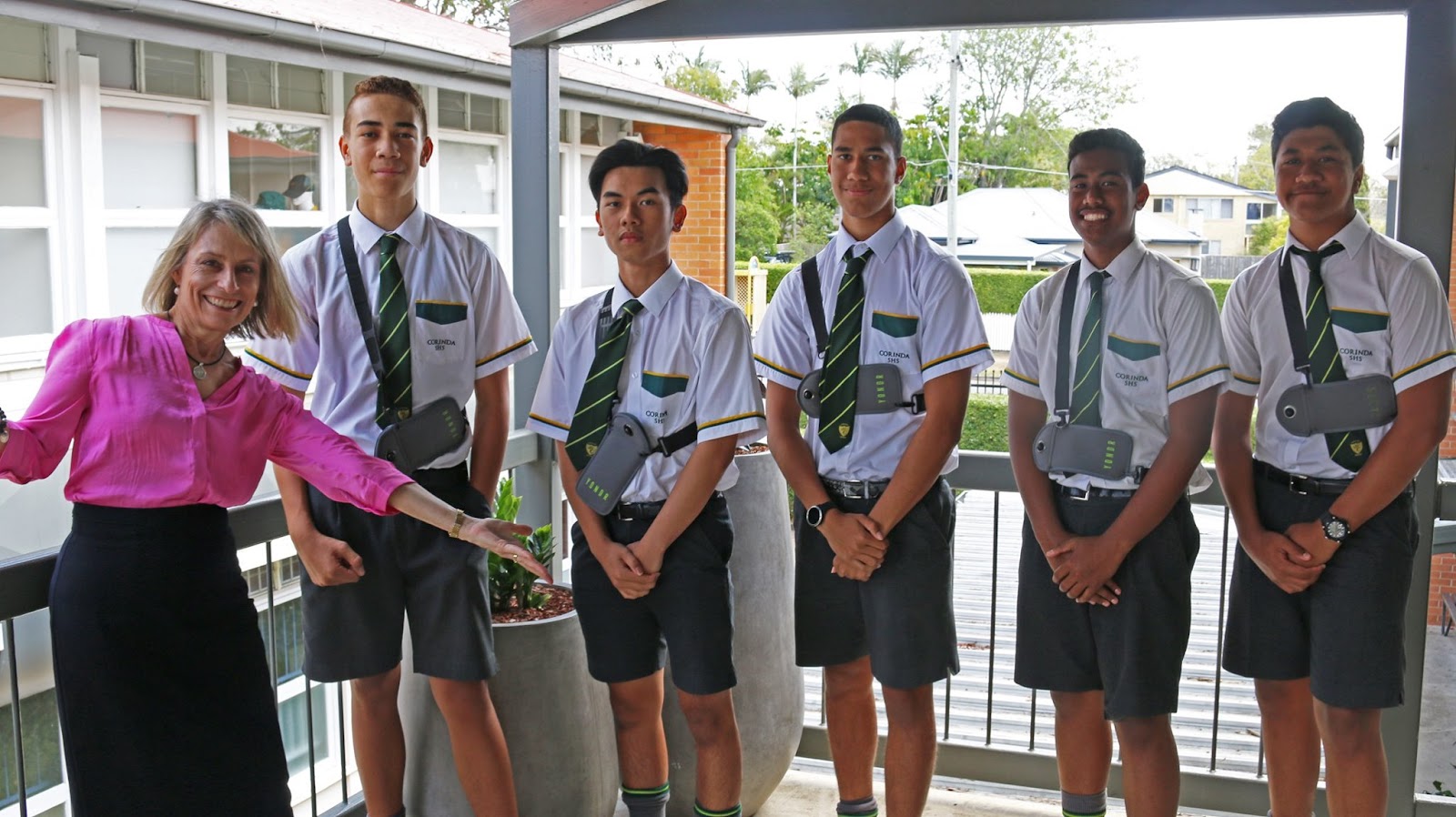
Ms Jamieson and the students wearing their Yondr pouches
Photo credit: Facebook/Corinda State High School/Facebook

The pouches, which unlock when tapped on a base, are issued upon enrolment and considered part of the school uniform. Parents can contact the school office to get a message directly forwarded to their child if they need to reach them during school hours.

Corinda State High
Photo credit: Corinda State High School/Facebook

Students caught breaching the ban face escalating consequences, from increased monitoring to weekend community service for repeat offenders.

Whilst controversial, Ms Jamieson stands behind the policy and would recommend it to other schools. She argues it has reduced distraction and inappropriate phone use.

How the Yondr Pouch Works
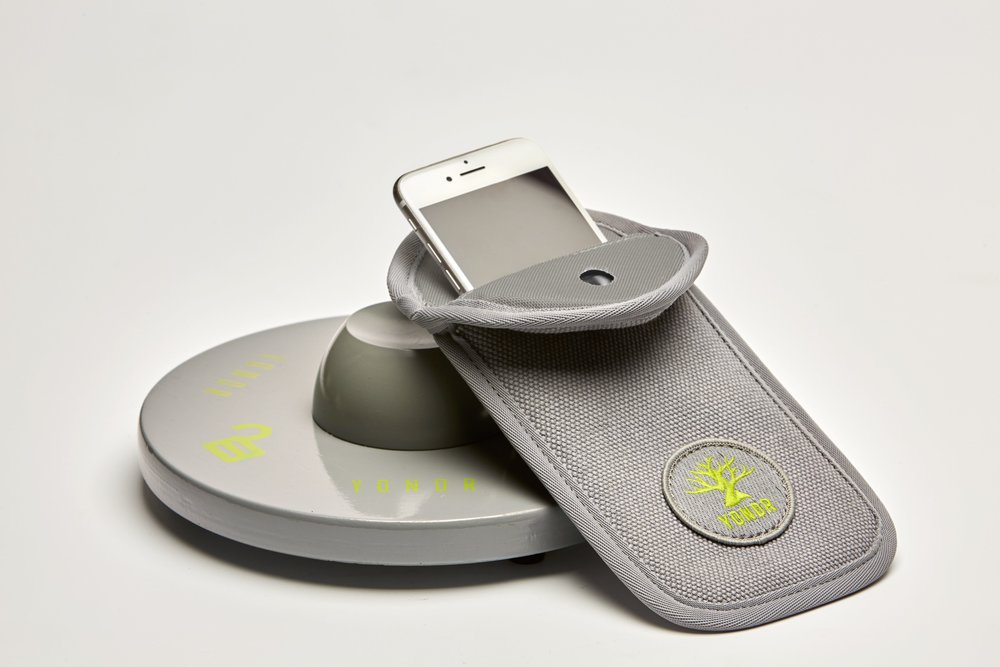
Corinda State High
Photo credit: Yondr 

The Yondr pouch locks automatically once students enter the phone-free zone at school and  students are responsible to keep their phone with them in the pouch at all times. If a student needs to use their phone, they must step outside the phone-free area and tap the pouch on an unlocking base station to unlock it.


Read: Staverton Kindergarten in Chelmer Exceeds National Standards in All Quality Areas


The pouch, developed by California-based company Yondr, is being used at thousands of schools worldwide, including Corinda State High, to combat negative effects of phones on student engagement, social development, and mental health.

Published 14-July-2023

Chelmer Mum’s Wake-Up Call: Son’s Experience with Respiratory Syncytial Virus Sparks Awareness Campaign

Caitlin Archard-Farry, a mother of two from Chelmer, will never forget the time she watched her son Luca struggling to breathe, as he was hospitalised due to Respiratory Syncytial Virus.


Read: Milpera State High School: Preparing Children From Over 41 Different Countries for Life in Australia


Luca, just one year old at the time, required oxygen support during his two-day hospital stay. Reflecting on the experience, Mrs Archard-Farry couldn’t believe how things progressively went from bad to worse.

She described her son Luca’s illness as days of lethargy, breathing issues, and wheezing. She became deeply concerned when she struggled to wake him up and could hardly do so. That’s when she realised that something was seriously wrong.

Mrs Archard-Farry with her children (Photo Credit: Peter Wallis)

“I didn’t realise how serious the virus can be,” Mrs Archard-Farry said.

The Respiratory Syncytial Virus is a respiratory virus that can lead to severe lung infections, particularly among premature babies with chronic neonatal lung disease. It remains one of the leading causes of hospitalisation in infants under the age of one, as national health figures indicate a staggering 43,221 recorded cases of RSV in the last six months alone.

Picture for illustration purposes only (photo credit: Exergen Corporation/Pexels)

RSV Vaccine Trial

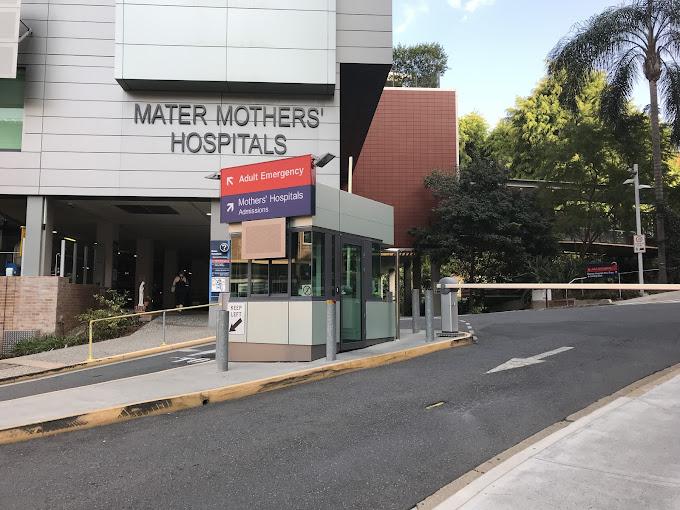
To address the urgent need for effective prevention measures against RSV, a team of researchers at Mater Mothers’ Hospital Brisbane has initiated trials for a new RSV vaccine.

The vaccine aims to provide single-dose protection and reduce the rates of hospitalisation among premature babies after they are discharged.

Dr Pita Birch, Director of Neonatology at Mater, explained the heightened vulnerability of preterm babies with underlying lung conditions to serious RSV complications.

Photo credit: David Inderias/Google Maps

“Those that develop RSV can be affected by bronchiolitis which causes difficulty in breathing. This can become so severe that babies require respiratory support, including intubation and mechanical ventilation,” he said.

Dr Birch added that preterm babies who go home on oxygen are much more likely to require admission to a paediatric intensive care unit for breathing support and are more likely to die of RSV infection than healthy term babies without underlying lung problems.

If the trial proves successful, the new vaccine will provide enhanced protection against RSV infection compared to the current vaccine. Furthermore, it has the potential to significantly reduce hospitalisations, admissions to intensive care units, and fatalities.


Read: Green Endeavour HQ: The Future of Fruit and Veg Distribution and Education


Her son’s bout with RSV served as a profound “wake-up call” for Mrs Archard-Farry, shedding light on the gravity of RSV and prompting her to share her story to raise awareness about the virus and ongoing efforts to develop a vaccine so that other families would not have to suffer like her son did.

Published 11-July-2023

Milpera State High School: Preparing Children From Over 41 Different Countries for Life in Australia

Imagine a school where students come from over 41 different countries, many of them refugees from war-torn regions or children of migrants, all of them speaking languages other than English. These children are the reasons why Milpera State High School in Chelmer came into being.


Named after the Aboriginal word meaning “a meeting place of brothers and sisters,” Milpera State School brings hope and opportunity to children and youth who have moved to Australia from all over the world under challenging, mostly disadvantaged, circumstances.

“Milpera is an intensive English-language school, and our kids come from more than 41 different countries to learn English to prepare them to go on to high schools, or…to TAFE.”

Julie Peel, Principal of Milpera State High School

With a commitment to maximising the full potential of every student within a socially just and culturally inclusive environment, Milpera State High School is a rarity among schools in the country as they aim to address the needs of young people who need to assimilate into a new country and learn a new language whilst getting a good education.

Established in 1979, this special-purpose state high school has been providing intensive English language education and settlement services to empower its diverse student population to flourish in their new lives in Australia.

Milpera was originally based on the grounds of Corinda State High School, close to the migrant hostel in Wacol, which shut down in 1987. Around that same period, the facility outgrew its site and relocated to its present address along Parker St in Chelmer.

Its name was changed from Corinda Special School to Milpera State High School to reflect its vision and mission for being. The school also took in students from Darra, aside from Corinda, Wacol and Chelmer. 

Adapting and Adjusting to Fill a Need

Photo Credit: Monument Australia

Before the 1970s, the need for a school like Milpera was minimal. Back then, Australia’s policy favoured migration from specific European countries, resulting in fewer challenges for non-English speaking students.

However, as times changed, the school encountered various waves of migrant groups, influenced by geopolitical conflicts and changing migration policies of the government. 

As a result, Milpera acted as a proactive barometer that adapted to the circumstances that required constant flexibility. The school adjusted its multilingual, multinational teacher aides to align with the changing language requirements of its students.

Because of the rich cultural diversity and linguistic backgrounds of its students, Milpera has comprehensive educational and settlement services that are tailored to meet the specific needs of each learner and their family, ensuring the best outcomes.

Highly-Skilled Teachers

At Milpera, the teaching team and staff understand the challenges faced by their students, who often hail from low socioeconomic backgrounds and experience upheaval.

The school’s support system is robust, providing essential guidance to help students navigate these obstacles.

English is taught through language, literacy, and literature, as well as humanities topics, mathematics, science, and health and physical education. Additionally, students enjoy the therapeutic benefits of art and develop valuable coding skills.

The school also has a program called “Milpera Live” to deliver lessons online, a robust tool that enables educators to reach students in unconventional ways.

The principal, Julie Peel, talks about Milpera Live.

The educators at the school possess formal qualifications in teaching English as an Additional Language and employ innovative approaches to impart the right skills across various subjects.

“…we have a new student in one of our classrooms who’s using an iPad to communicate with us… they use (the technology) as a tool to learn. So it absolutely does speed up and enhance their experience of being a bit more joy in the classroom.”

Abdul Le Ibrahimi, Teacher Aide

A Sense of Belonging

Today, the school welcomes both permanent residents and those with temporary or bridging visas, with all students approved by the Minister for Education to attend school in Australia.

Beyond academics, Milpera fosters good settlement and a strong sense of belonging through carefully curated learning experiences and an extensive extra-curricular program.

At the school, conflicts and divisions from students’ home countries are left behind, allowing Muslim and Christian students, as well as individuals from diverse ethnic backgrounds, to coexist peacefully.

Students from the same regions often find more common ground than divisions, sharing similar interests in food, art, music, and sports. 

Central to the school’s mission is equipping students with the skills and knowledge to thrive in an Australian classroom and beyond. The student-centered curriculum is designed to offer highly contextualised language learning experiences, ensuring that students develop the English language proficiency necessary for their future academic and career pathways.

“It’s an extremely rewarding school to work in because we do get ot observe that great distance travelled.”

Julie Peel, Principal of Milpera State High School

Despite the many challenges faced by its students, Milpera State High School has achieved exceptional outcomes. The school’s holistic approach to education, which encompasses not only language acquisition but also settlement skills and values such as gender equality, contributes to the students’ overall success.

Published 5-July-2023

Graceville Sports Uniform Change Sparks Debate

A recent decision by Graceville State School’s Parents and Citizens’ Association (P&C) to remove early Australian explorer names and logos from sports uniforms has generated mixed reactions and ignited a community-wide debate.


The issue on the sports uniform change emerged during a P&C meeting earlier this year when the P&C approved the removal of house names like Cook, Flinders, and Kennedy from the sports uniforms.

This decision triggered a wave of backlash, leaving some locals feeling sidelined and disheartened. Concerned parents claim they were caught off guard, with their opinions seemingly brushed aside.

Some have voiced disappointment, citing concerns of erasing history and diminishing national pride. Others, however, perceive it as a step towards fostering inclusivity.

Controversies surrounding school uniforms are not uncommon in the area, with previous debates revolving around matters such as appropriate footwear and uniform styles. Many parents now feel that their views are disregarded, exacerbating the frustration over the current issue.

Adding to the dissatisfaction, parents claim they were only informed about the sports uniform change through a uniform shop newsletter, without prior notification or an opportunity to vote on the matter.

This alleged lack of transparency has fueled more resentment, adding to the perception that the decision was made behind closed doors without considering the wider community’s input.

sports uniform change
Photo Credit: Graceville State School P&C

Concerned at what was perceived to be the imminent removal of the old sports shirts, parents scrambled to secure the outdated versions before they disappeared from the shelves. Affected parents claim that the limited availability of the new house shirts compounded the urgency to act swiftly.


The current controversy has ignited broader conversations about cultural representation and historical appreciation within schools.

The Department of Education assured parents that their concerns had been heard and pledged to engage in discussions about uniform matters. Currently, there is no official directive requiring schools to eliminate house names or logos from their uniforms.

Published 25-June-2023

Archerfield-Based Company Pioneering Hydrogen Power Banks for Sustainable Energy Solutions

Archerfield-based clean energy company Endua is currently developing modular hydrogen power banks, which are seen as a groundbreaking solution to combat the energy challenges faced during periods of low sun, wind, and tide generation. 


Read: New Solar-Powered Flood Warning Signs to be Installed along Roads Near Oxley Creek


The company, founded by Paul Sernia, a trailblazer from Brisbane’s electric car charging firm Tritium, has successfully created the hydrogen power banks with support from CSIRO, Ampol, a fossil fuel company, and the Queensland Investment Corporation (QIC).

Endua’s cutting-edge innovation comes at a crucial time in our pursuit of clean energy and power stability. With the increasing demand for renewable energy, the intermittency of sources like solar and wind poses a challenge. 

hydrogen power banks
Photo credit: Endua/LinkedIn

However, the hydrogen power bank developed by Endua offers a viable solution by storing renewable energy as hydrogen, converting it back into electricity when needed. Their solutions are designed to provide emissions-free and dependable electricity whenever needed, similar to a diesel generator but without the environmental impact.

Mr Sernia emphasised the significance of their power banks, particularly in regional and remote communities where the reliability of the grid can be compromised. The introduction of these power banks marks a significant step towards achieving a clean energy transition whilst ensuring stable power supply in such areas.

Impressively, Endua’s hydrogen power banks boast an impressive storage capacity of 100kWh. This remarkable capability allows them to power a wide range of applications, including farm sheds, multiple households, standalone telecommunications infrastructure, and critical warning signs and lights on roads, mines, and railways.

The startup has received support from the Queensland Government, with a $24 million investment through the Enterprise Acceleration Fund, managed by QIC.


Read: Inside Plans For The Archerfield Wetlands District Park


The Enterprise Acceleration Fund invests in innovative, early-stage Queensland companies, supporting increased access to investment capital and jobs growth.

Published 21-June-2023

Relocation of Oxley Police Academy and Dog Squad Included in Billion-Dollar Annual QPS Budget

The Oxley Police Academy and Dog Squad will be relocated to the Wacol Police Precinct, one of the significant items included in the $3.281-billion operating budget of the QLD Police Service for the 2023-24 fiscal year.


The substantial police budget will support crucial initiatives aimed at combating crime and ensuring public security. Apart from the relocation of the Oxley Police Academy and Dog Squad, the Specialist Response Group will be assigned to an alternative site. 

The decision to relocate reflects QPS’s commitment to streamlining operations and optimizing resources. By consolidating these units within the Wacol Police Precinct, the QPS aims to create a more cohesive and efficient working environment that maximizes collaboration and improves overall response capabilities.

Another primary objective of the budget is to address youth crime, with a substantial investment of $101.6 million allocated for the Youth Justice Investment Program. This funding will enhance police resources dedicated to tackling youth-related offences, forming part of the government’s comprehensive funding package of $446.4 million spread over five years.

QPS
Photo Credit: QPS

An extra $6.2 million has been allocated to expand the fleet of armoured vehicles. The budget will also finance various initiatives, including high-visibility police patrols, the establishment of a specialized rapid response squad for youth crime, Youth Co-responder Teams, additional early action groups, and proactive patrols by Police Liaison Officers.

Recognising the significance of early intervention in combating youth crime, the government has unveiled a two-year $50-million program to construct additional Queensland Police-Citizens Youth Clubs (PCYC) in priority locations.

Moreover, the government has pledged a substantial investment of $87.5 million to revitalize police recruitment strategies over the next five years, aiming to bolster the force’s numbers.

The 2023-24 police budget also includes plans for the development and enhancement of police facilities in various locations throughout Queensland. Cairns, Caloundra South, Clermont, Cooroy, Cunnamulla, Dalby, Dayboro, Hervey Bay, Kirwan, Longreach, Mackay, Maryborough, Palm Island, Proserpine, Rainbow Beach, Ripley, Rosewood, Warwick, and Winton are all slated to receive new or upgraded police facilities. Additionally, police accommodation will be established in Mount Isa and Tara.

“Our police deserve every support, and I am proud of the absolute commitment my government has to providing police with the people, resources, and infrastructure they need to support the community,” Premier Annastacia Palaszczuk said.


Commissioner Katarina Carroll commended the investment, highlighting the top priority of community safety for the QPS. 

“We appreciate this strong investment into assisting police tackle youth crime, strengthen our police recruitment pipeline, and ensure our police academies are world-class,” she said. “Upgraded facilities and equipment, along with boosted police personnel, will help keep communities and officers across the state safe. Providing everything our officers need to perform their duties is very important, and I’m pleased to see this significant investment in the QPS.”

Published 16-June-2023

Ardo’s Wine Bar Expands to Graceville

Did you know that hybrid micro-cellar and bar Ardo’s, from the City Winery team, with its carefully curated line-up of exceptional wines and pintxos-style eats, is now in Graceville?

​​

Ardo’s has been winning hearts since its inception in Newstead in early 2023. Now, with the opening of Ardo’s Graceville, the City Winery team continues to foster and create wine-loving communities throughout Brisbane.

The Graceville site retains the unique character of its sister venue, with an Australian and minimal intervention-focused wine list that showcases local winemakers alongside City Winery’s core collection.

Ardo's Graceville
Photo Credit: Instagram/Ardoswine

The venue itself, with seating for 35 guests and a cocktail-style setup for 50, boasts an open and green-hued ambience that perfectly reflects the suburb’s vibe.

Careful attention was given to designing the space, highlighting a stunning tree that now serves as the centrepiece of the dining area.

Ardo's Gracevile
Photo Credit: Instagram/Ardoswine

Committed to championing local producers who prioritize minimal intervention practices, Ardo’s Graceville offers a premium selection of high-end drops, ensuring that there’s a perfect sip for every special occasion. 

The venue also introduces an expanded menu that includes delectable snacks like prosciutto-wrapped scallops in harissa butter, while still staying true to its original concept of pintxos-style snacks.

Ardo's
Photo Credit: Instagram/Ardoswine

Guests can order these snacks by the piece and pair them with their favourite wine. Additionally, provisions such as cheeses, charcuterie, and other accoutrements are available, allowing patrons to assemble their own palate-pleasing platters.

Ardo's Graceville
Photo Credit: Instagram/Ardoswine

For those eager to deepen their wine knowledge, Ardo’s offers more than just a delightful dining experience. The Ardo’s team will introduce cheese and wine as well as food and wine matching workshops at the Graceville site in addition to their well-liked Wineslam events. These classes aim to create an inclusive and down-to-earth environment for wine enthusiasts to learn and explore without any pretentiousness.


While Ardo’s Graceville has already opened its doors to eager patrons, the City Winery team has more exciting plans in the works. Talks are circulating about a third Ardo’s location currently under construction, with an anticipated opening date set for the end of the financial year.

Published 9-June-2023

Discover Artforce Brisbane’s Traffic Signal Boxes in Rocklea

Have you seen Artforce Brisbane’s traffic signal boxes in the streets of Rocklea? Each piece not only catches the eye but also offers a window into the creative minds and compelling narratives of the artists who have breathed life into them. Here’s the story behind some of the artworks.


Read: Chelmer School of Arts (Former): Among Early Queensland’s Status Symbols


Rocklea Plants on Pink

“Rocklea Plants on Pink” is an artwork by artist Catherine Pepper, whose inspiration stems from the flora, fauna, and landscapes of Australia. This particular piece captures the essence of roadside cacti flourishing in Rocklea. Ms Pepper’s style is characterised by vibrant and lively paintings that aim to captivate and uplift the viewer. She has a penchant for creating large-scale works, allowing her compositions to make a powerful visual impact.

Location: Ipswich Road & Medway Street, Rocklea

traffic signal boxes
Photo credit: Artforce Brisbane

Rocklea is ‘Carmen’ along/Oxley Common

Luca, Arlo, and Gigi Dickinson’s design encapsulates the essence of Rocklea as a suburb rich with colour, nature, and produce through various elements. Their artwork incorporates a map to provide contextual understanding, whilst a lively and playful homage to Carmen Miranda’s iconic fruit and vegetable hat adds vibrancy to the composition. Additionally, the artwork pays tribute to Oxley Common and the rural landscapes that lie just beyond the road, creating a well-rounded representation of Rocklea’s unique charm.

Location: Sherwood Road & Rocklea Markets & West Entrance, Rocklea

traffic signal boxes
Photo credit: Artforce Brisbane

Bliss 

“Bliss,” created by Arielle Hankinson in collaboration with Eloise Ball and Lauren Spriggs, draws its inspiration from Arielle’s cherished memories of visiting markets with her mother on weekends, a time when their bond deepened. The artwork beautifully captures feminine iconography, evoking a sense of motherly love through the figure’s gentle posture and expression. 

The motif of strawberries is employed to symbolise the concept of fresh produce, reflecting the vibrant and abundant nature of market experiences. Through “Bliss,” Arielle aims to convey the serene and joyful emotions that she, along with many others, experiences while leisurely strolling through markets.

Location: Sherwood Rd & Martin Taylor Drive, Rocklea

Photo credit: Artforce Brisbane

Flower Love

Brisbane artist Sue Collins drew inspiration from the Rocklea Markets, (now located across the road from their current location), renowned for their assortment of fresh flowers. Sue Collins incorporated this vibrant atmosphere into their design, capturing the essence of the market.

Location: Fairfield Rd & Sherwood Rd & Ipswich Rd, Rocklea

Photo credit: Artforce Brisbane
traffic signal boxes
Photo credit: Artforce Brisbane

Read: Rocklea’s Brisbane Markets Inches Closer to Stock Market Listing


Artforce Brisbane offers a unique opportunity for residents of all ages and artistic backgrounds to unleash their creativity by designing and painting artworks on traffic signal boxes.The program has already witnessed tremendous success, with over 1200 boxes adorned with unique creations by talented individuals to date.

Published 7-June-2023

Rocklea’s Brisbane Markets Inches Closer to Stock Market Listing

Brisbane Markets Ltd, the owner of the Brisbane Markets site in Rocklea, is making progress towards a potential listing on the Australian Securities Exchange. The move comes after the company reached a tentative agreement to remove a separate class of industry shares, which had been a key sticking point in the shareholder structure.


The company holds over $259 million in total equity and $512 million in assets, primarily comprising investment properties. Additionally, Brisbane Markets Ltd (BML) has a 44.33 per cent stake in Perth Markets Group Limited (PMGL), having faced resistance from West Australian industry owners over a recent attempt to secure a majority stake.

The issue with the shareholder structure revolves around the Queensland Chamber of Fruit and Vegetable Industries Co-operative Limited, along with other representatives from the supply chain, including growers, retailers, and wholesale industry organization Brismark.

The provision for separate industry shares, established when BML acquired the Brisbane Markets site in 2002, grants the holders the right to appoint a director to the board and veto power over shareholder resolutions.

After two years of negotiations, BML and Brismark have agreed to terms that would pave the way for a stock market listing, subject to shareholder approval. The proposed agreement involves canceling the four industry shares and issuing ordinary shares based on their value at the time of the listing decision. 

Both BML and Brismark will engage with their respective shareholders and members to seek approval for the arrangement.

BML’s financial performance has had its ups and downs. In the December half-year of 2022, BML’s operating profit dropped by 6.4 per cent to $7.9 million, primarily due to a $14 million property revaluation cut resulting in a net loss after tax of $4 million.


However, in FY22, the company’s operating revenue remained steady at $46.3 million, and net profit more than tripled to $62.3 million, largely driven by increases in property values at the Brisbane and Perth sites.

The potential ASX listing could value Brisbane’s fresh produce exchange at up to $400 million.

Published 16-May-2023

Developer Seeks Amendment of Approved Retirement Facility in Corinda

A development application has been submitted for modifications to an already approved retirement facility in Corinda.


Read: Walter Taylor Bridge: Revisiting the History of Southern Hemisphere’s Only Habitable Bridge


The submitted proposal entails making slight revisions to the design of Buildings 2 and 4 within the approved Retirement Facility. Additionally, it involves reducing the number of dwelling units and adjusting the setbacks for a proposed car park exhaust.

The proposal aims to decrease the total Gross Floor Area for the ancillary uses of Building 2 from approximately 293 sqm to around 34 sqm. The tenancies are planned to be situated more internally within the building, accessible exclusively through the lounge and communal areas, with no direct access to the outdoor communal space.

Plans (Photo credit: O’Neill Architecture)

In 2017, the site, located at 260 Cliveden Avenue and 20 Menin Road, Corinda received an original approval for a retirement facility consisting of 264 units across five stages.

Proposed building, Level 2 plan (Photo credit: O’Neill Architecture)

The proposed amendments, designed by O’Neill Architecture, carefully maintain the visual aesthetics of the building, ensuring that there is no discernible increase in the overall size and scale of the structures.

According to planners at RPS, the proposal aims to enhance the building facade of Building 2 by introducing additional architectural features to the north and south elevations. Furthermore, the proposal seeks to incorporate balconies on all elevations, aiming to improve the overall livability and enjoyment for future residents.

Photo credit: O’Neill Architecture

The proposal also includes a redesign of the basement carpark in Building 2 to match the new building footprint. There is a plan to alter the carpark entrance by utilising a driveway that connects through the existing car park of Building 7.


Read: Get To Know The Lahey Family Who Built A Successful Sawmill In Corinda


Another amendment is being proposed for Building 4 (Stage 4) to enable optional screening for westward-facing balconies. This modification aims to enhance climate comfort for residents by providing additional protection from the sun.

Further information about the development can be viewed via Brisbane City Council’s PD Online, using the reference A006230954.

Published 12-May-2023