


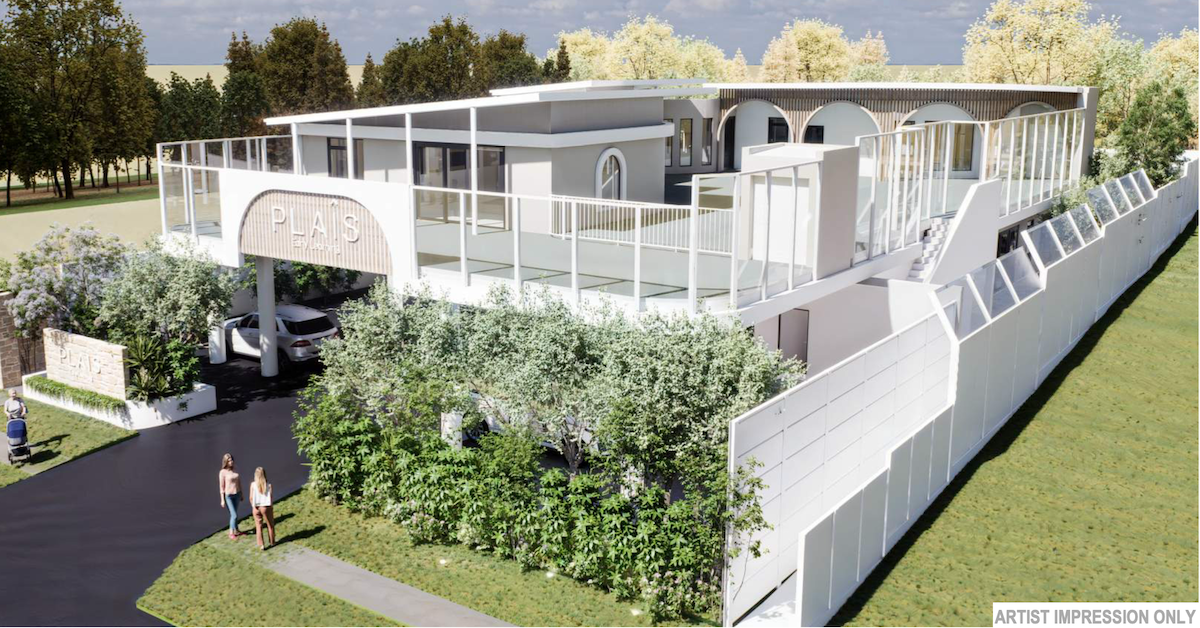
Concierge Childcare Centre Proposed Near Sherwood Train Line

A former aged care site in Sherwood could soon house a premium childcare centre offering concierge-style services, even as it sits metres from a busy train line and level crossing, raising questions about whether a “calm” environment can be achieved in one of the suburb’s most active pockets.


Plans for the proposed centre at 23 Thallon Street were lodged in March 2026, outlining a two-storey facility designed to cater for up to 73 children with 13 staff.

A different kind of childcare in Sherwood

The development application (A006981495) shows a childcare model that goes beyond standard care, aiming to support families with added services that ease daily routines. The operator already runs similar centres in Brisbane and is targeting inner-city areas where parents often juggle long work hours.

According to project details, the Sherwood centre would include a kitchen, laundry, sleeping areas and outdoor play spaces across two levels. The design leans on natural materials, soft tones and indoor-outdoor connections to create a more measured environment for children. 
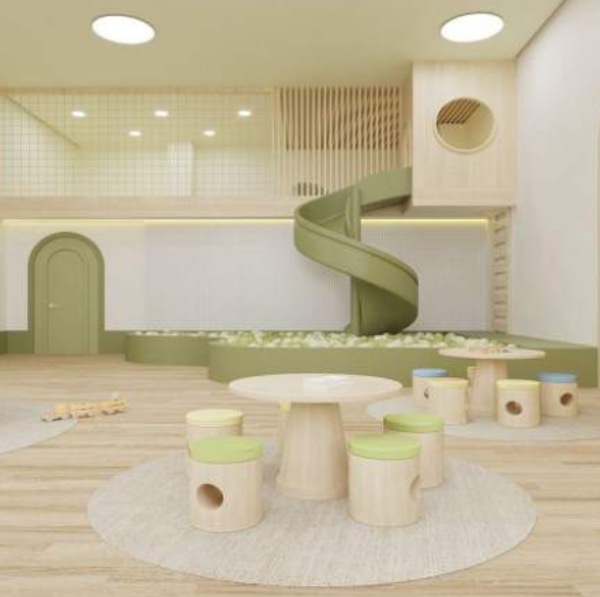
Photo Credit: DA A006981495

The plans also confirm capacity for 73 children and 13 staff, along with 15 on-site car parks, including one accessible space. 

This approach reflects a shift towards childcare that functions as a broader lifestyle service, with operators focusing on convenience for working families.

A calm design in a busy location

While the concept centres on reducing overstimulation, the site itself presents challenges. The block sits directly behind a train line and close to a level crossing, with Sherwood Road nearby carrying steady traffic.
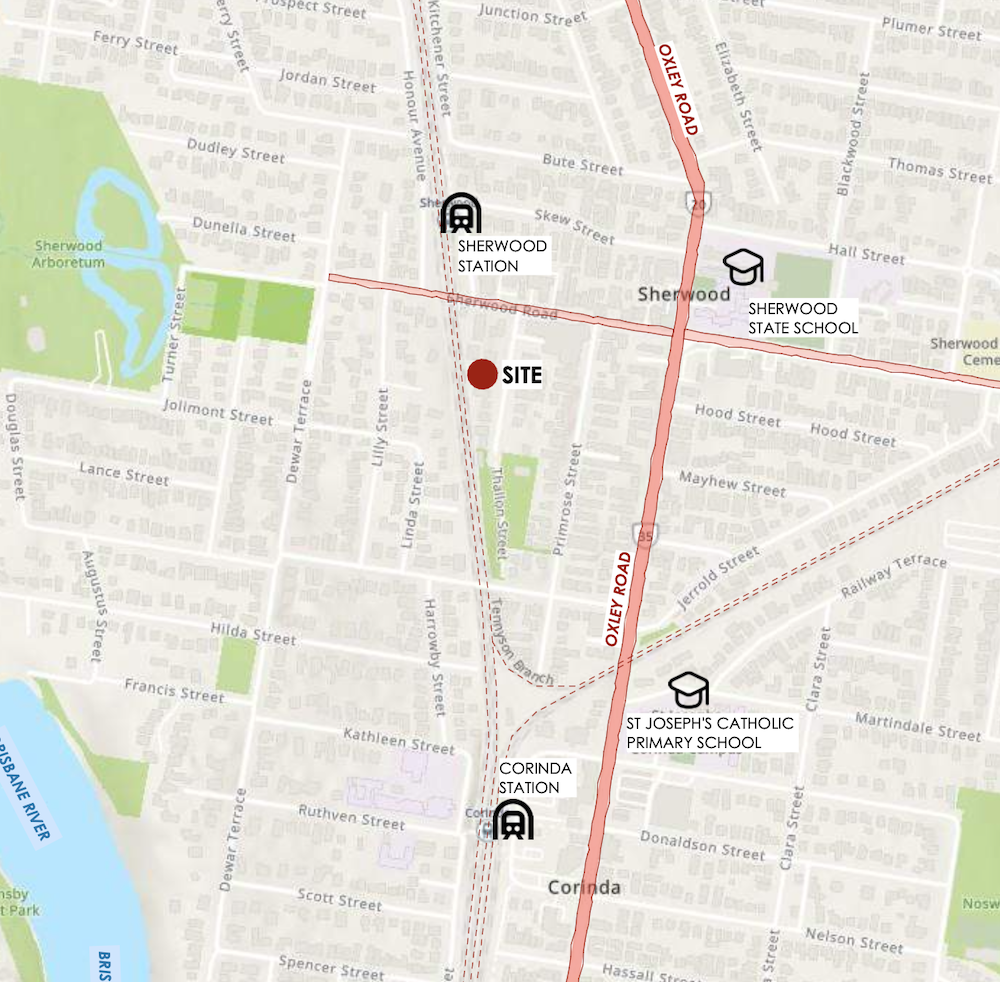
Photo Credit: DA A006981495

The application acknowledges these conditions, with site analysis mapping surrounding noise corridors and wind patterns. To manage this, the plans include multiple layers of acoustic fencing and barriers around the property. 

Even with these measures, the location raises questions for nearby residents about how well the centre can deliver the calm setting it promotes, particularly during peak train and traffic periods.

Changing use, changing priorities

The site previously operated as an aged care respite centre, serving older residents before closing in recent years. Its shift to a high-end childcare facility marks a clear change in how the space will be used within the community.
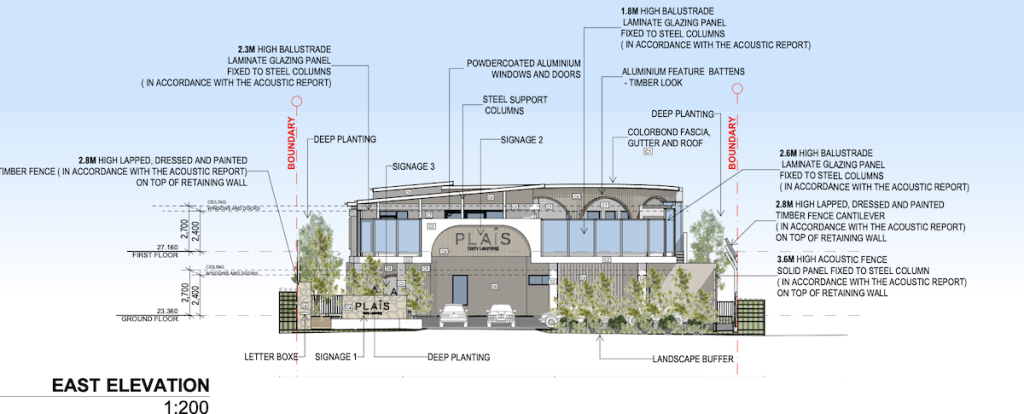
Photo Credit: DA A006981495

The transition reflects evolving demand in growing suburbs, where childcare places are in short supply. However, it prompts a broader question about how community land is being repurposed and who benefits most from new developments.

The proposal comes at a time when the childcare sector is under increased scrutiny across Australia, with concerns raised in recent years about quality, affordability and oversight.

Thallon Street is a no-through road, but it connects directly to a busy main road and sits close to public transport. The plans include a new driveway and on-site parking to manage pick-up and drop-off traffic, though local impacts remain a key consideration.

With another kindergarten already located on the same street, the addition of a second childcare provider could further increase activity in the area.


The development is now subject to assessment, with community feedback likely to shape its next steps.

Published 31-March-2026
Chelmer Family Lists Long-Held Property Amid Shifting Market Trends

A Chelmer family has listed its long-held home for auction, as the suburb continues to record rising sales activity despite signs of a broader Brisbane property slowdown.


A Family Move After Seven Years In Chelmer

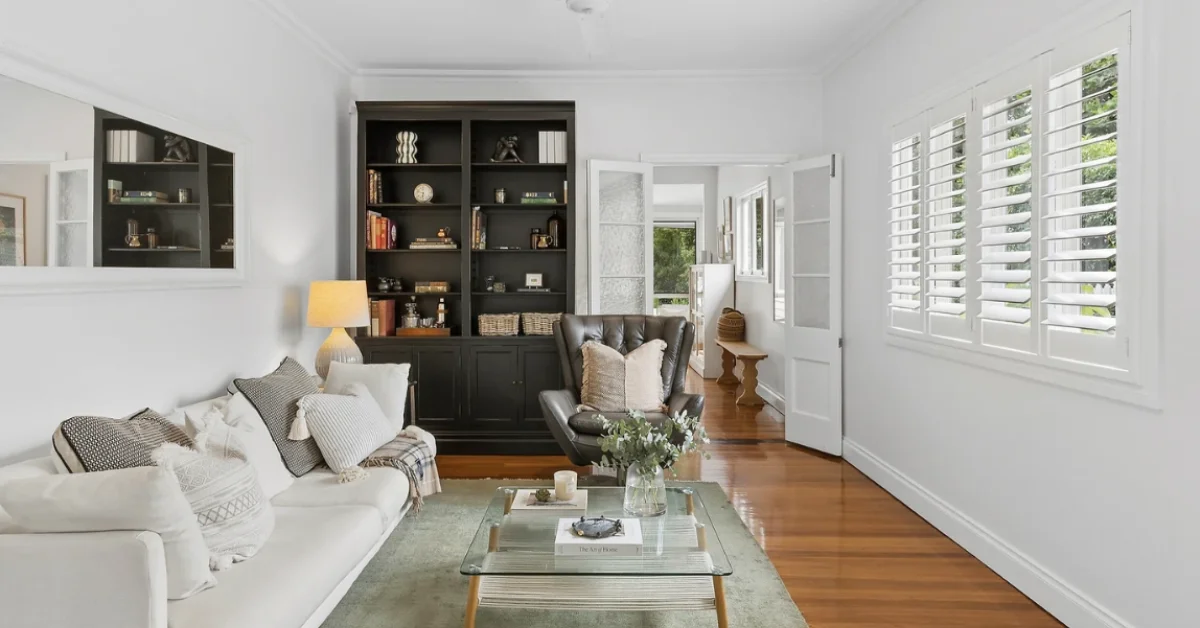
A family of five has placed its four-bedroom home at 7 Hurlton Street on the market after seven years, as changing circumstances prompt a move.

When the property was first purchased, the household was closely tied to local schools and community activity. With children now at or approaching university age, daily routines have shifted beyond the suburb.

Brisbane real estate
Photo Credit: Ray White Sherwood

Chelmer Stands Out In Uneven Market Conditions

The sale comes at a time when Brisbane’s property market is facing pressure from affordability constraints and rising interest rates.

Chelmer property
Photo Credit: Ray White Sherwood

Despite this, Chelmer has been identified as one of the suburbs where sales activity is continuing to rise, setting it apart from broader market trends.

Recent auction activity across Brisbane has also shown that some properties continue to attract competition, even as overall results point to more cautious buyer behaviour.

Chelmer auction
Photo Credit: Ray White Sherwood

Location And Layout Shape The Chelmer Offering

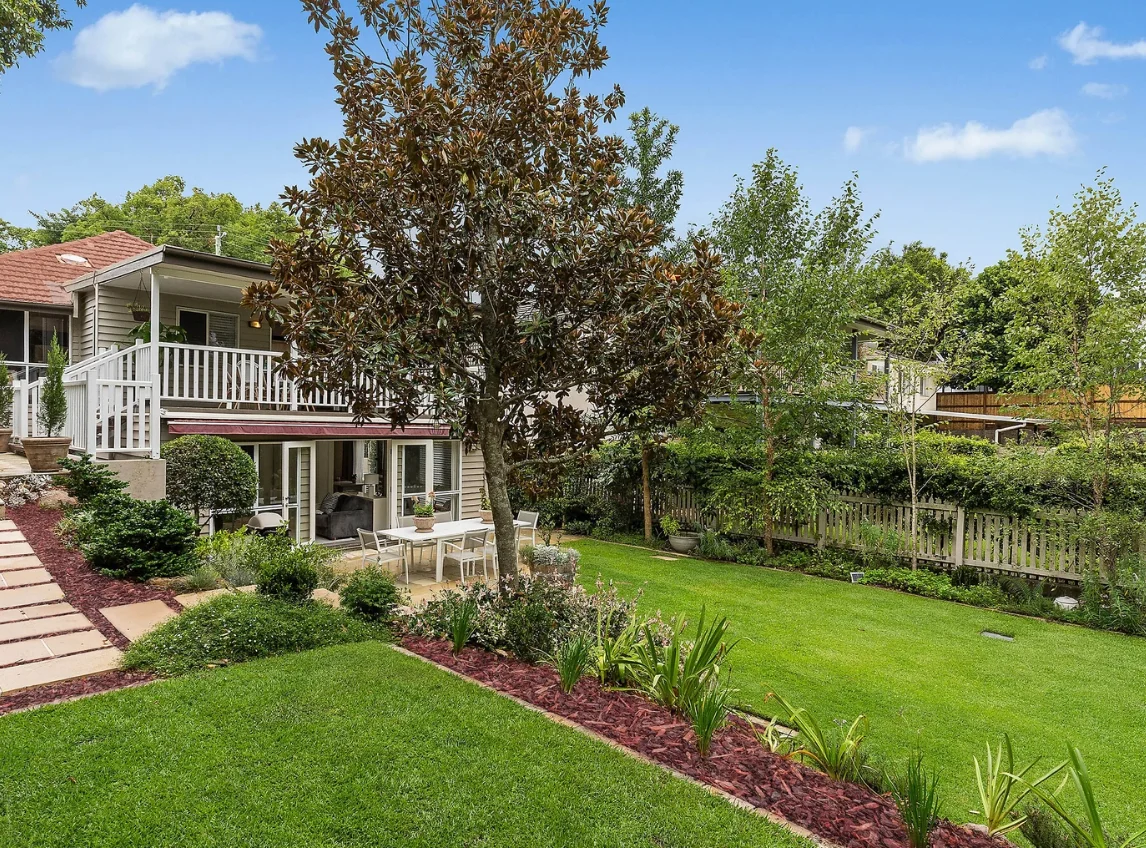
The property sits on a 607 square metre allotment within a leafy part of Chelmer, positioned about 100 metres from the local train station and close to nearby retail and services.

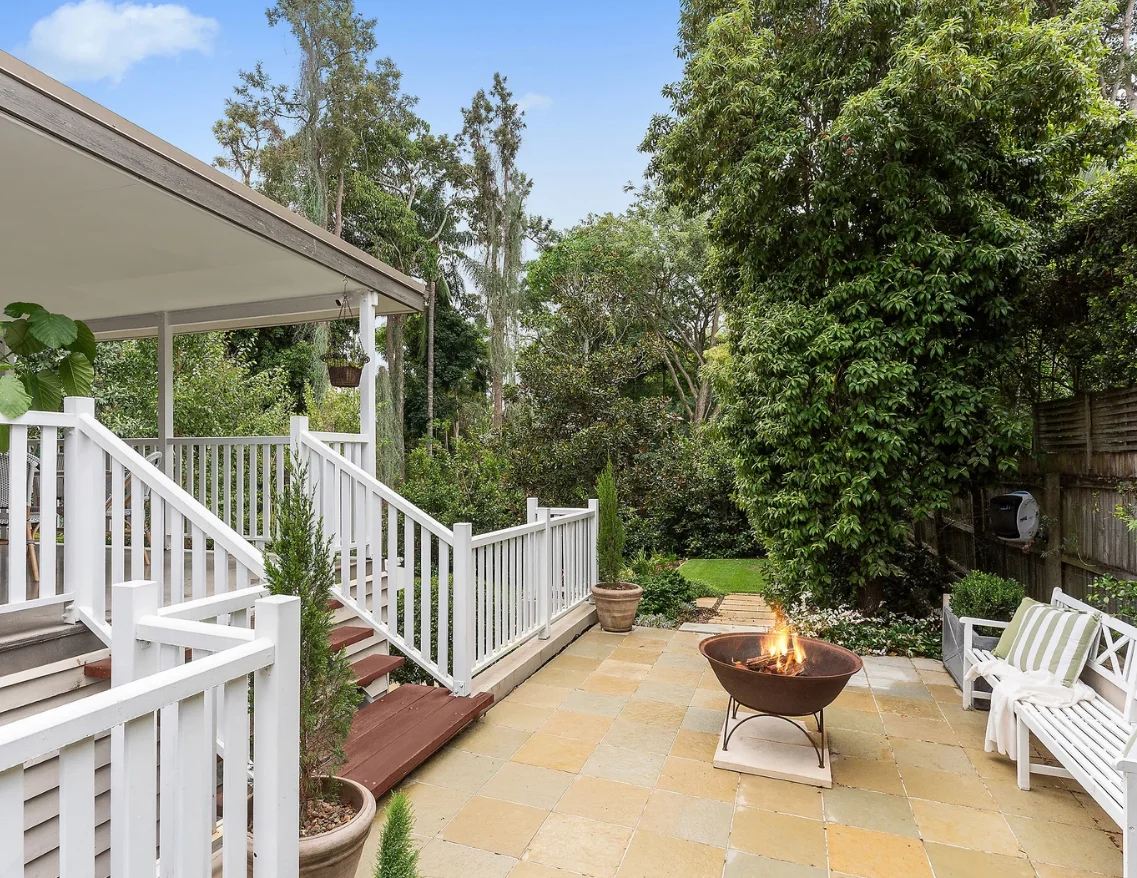
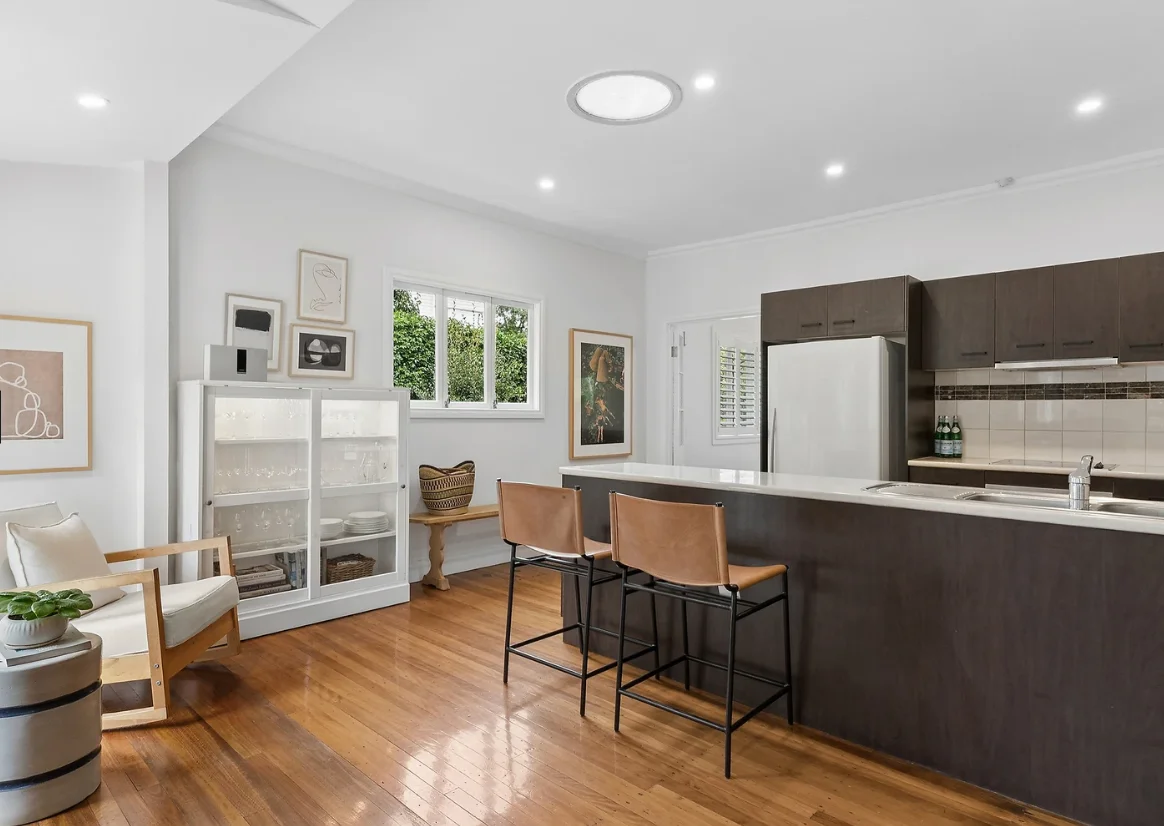
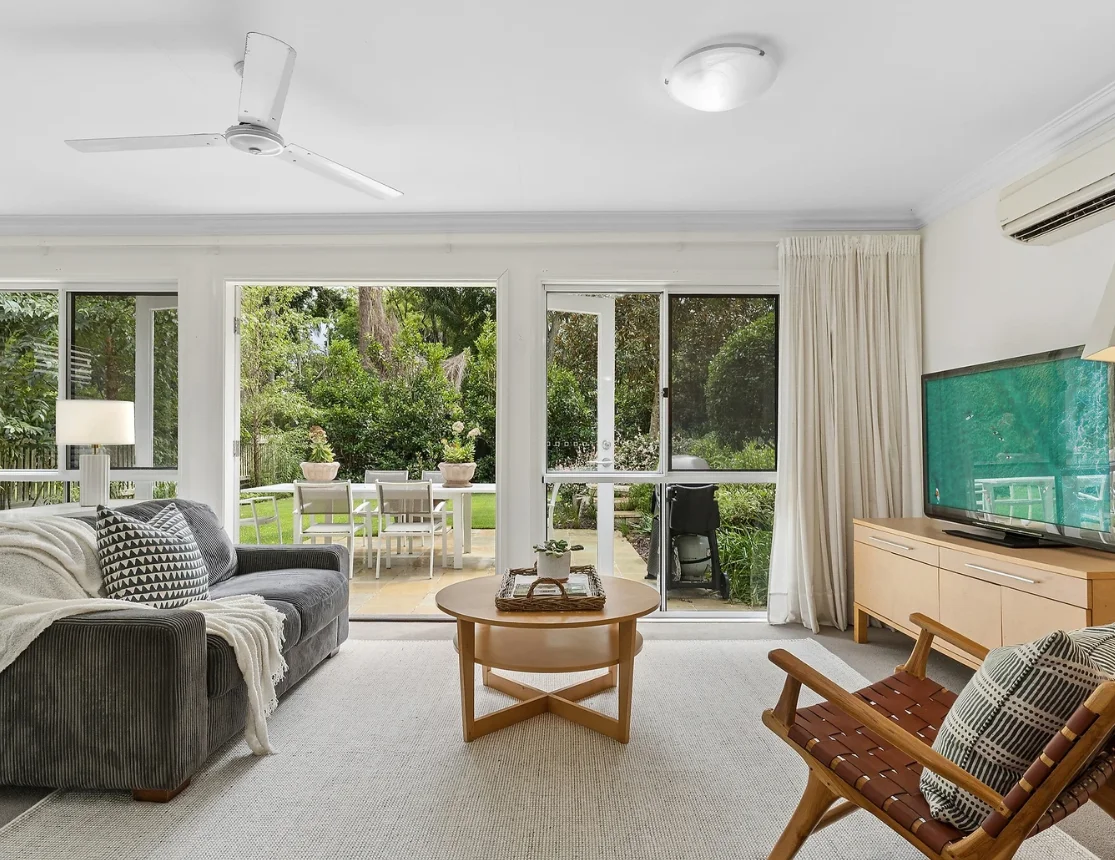
Designed across two levels, the home includes multiple living areas, a central kitchen and dining space, and a covered rear deck overlooking a landscaped backyard.

Additional features include a separate lower-level living zone, a master suite with ensuite and study, and a layout suited to both shared living and private retreat spaces.

Brisbane housing market
Photo Credit: Ray White Sherwood

Auction Timing To Reflect Current Conditions

The Chelmer property is scheduled for an online auction at 4:00 p.m. on April 1, following a scheduled inspection period.

Listed through Ray White Sherwood, the sale will take place as buyers and sellers continue to navigate changing market conditions across Brisbane.


While overall conditions remain mixed, Chelmer continues to record activity, with the upcoming auction providing a further indication of current demand in the area.

Published 30-Mar-2026

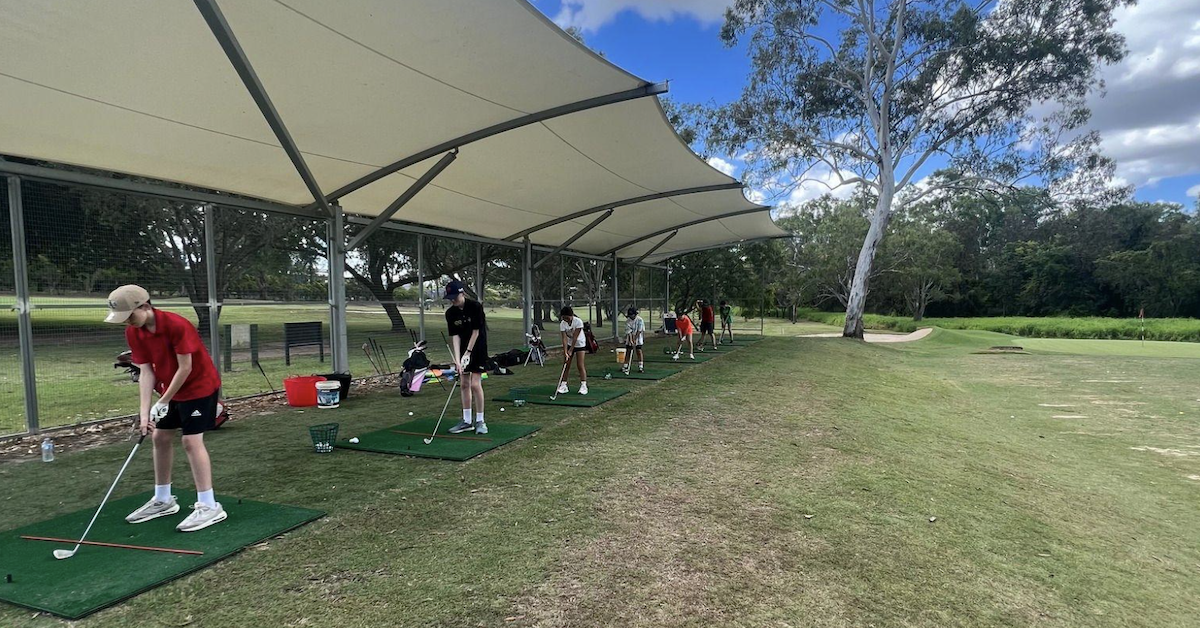
Oxley Golf Club at a Crossroads as Redevelopment Discussions Begin

For years, Oxley Golf Club has sat quietly along Boundary Road — a stretch of green holding its place as the surrounding corridor evolved around it.

Now, that position is being tested.

Discussions within the club have turned to significant changes tied to potential upgrades along Boundary Road, bringing the future of one of the area’s largest remaining green spaces into focus.


Land in the frame

At a Special General Meeting in February, members were told the club is considering options linked to possible road widening works, including whether part of its Boundary Road frontage may need to be sold.

Set along one of Oxley’s busiest corridors, the golf club has operated for decades as both a sporting venue and a large stretch of open green space.

That location has always come with a trade-off.

Positioned along a key transport route, the course sits at the intersection of recreation and infrastructure pressure — a balance that is now beginning to shift.

Information presented to members outlined a scenario where land on the northern side of the course could be sold if upgrades proceed. A logistics developer, LogiSpace, was identified in member materials as a prospective buyer, though no deal has been confirmed publicly.

The long-term plan

Beyond any potential land sale, the discussions point to a broader reshaping of the site.

Members were told the club is exploring a longer-term plan that could see the course redesigned across a smaller footprint, alongside a new clubhouse and upgraded facilities.

Any changes would be subject to planning approvals and staged over several years. Early indications suggest construction, if it proceeds, could temporarily affect access to parts of the course, though no confirmed timeline has been released.

Photo Credit: ODVGA Newsletter – March 2026

Still early, but moving

At this stage, no formal development application is listed in Brisbane City Council’s public planning system, indicating the proposal remains in its early phases, likely at the pre-lodgement or preliminary planning stage.

A familiar pressure

Oxley Golf Club is not alone in facing these questions.

Across metropolitan areas, large recreational sites — particularly golf courses — are increasingly being drawn into planning conversations as cities look for land to support infrastructure and growth.

The club has already explored ways to evolve its facilities in recent years, including upgrades aimed at broadening how the site is used, reflecting changing expectations around how these spaces are used.

For now, the course remains open and operating as usual, with no public notice indicating confirmed redevelopment or closure.

But with early discussions now underway, the focus will shift to what emerges next — and how the community is brought into decisions that could reshape one of Oxley’s most recognisable landscapes.


Published 26-March-2026

UQ Car-Free Trial: Why Oxley and Brisbane’s Outer Suburbs Cannot Ditch the Car

Oxley was among three outer suburbs represented in a University of Queensland study that found being car-free, even for just 20 days, is simply not realistic for most people living in Brisbane. 


Read: Residents Say Oxley & Inala Car Parks Among Brisbane’s Most Stressful


The ten participants were mostly inner-city residents living within two kilometres of the CBD, with the study also drawing participants from further afield in Oxley, Manly and Indooroopilly.

Urban planners from UQ’s School of Architecture, Design and Planning put together a group of ten volunteers, five men and five women, and asked them to go without their cars for 20 days. The study was led by Associate Professor Dorina Pojani and PhD scholar Sufian Almubarak, with Sara Alidoust also listed as a co-author on the published paper. 

car-free
Photo credit: University of Queensland

Participants were provided with public transport cards and asked to go about their normal daily lives using buses, trains, cycling, walking, and shared micro-mobility options like e-scooters. Ride-share and taxi services were available only in genuine emergencies.

When the 20 days were up, every participant was glad to have their car back. Not one was willing to consider making the change permanent.

Dr Pojani said the feedback across the board was that Brisbane simply makes car-free living too hard. She pointed to the city’s low-density, spread-out urban form and the absence of well-connected transport alternatives as the root causes, and noted these were problems decades of planning decisions had created.

The mood among participants shifted noticeably over the course of the trial. Early enthusiasm gave way to frustration, and most described the experience as disorienting. Public transport experience was mixed, with major service gaps reported outside the inner city.

Parents felt the pinch most

car-free
Photo credit: University of Queensland

For participants with children, the trial created additional headaches. School runs and after-school activities could not be managed on public transport alone and had to be handed off to someone else with access to a vehicle. Wider family outings and trips out of town were simply put off until the trial was over.

The financial picture offered a partial upside. Across the 20-day period, participants saved roughly $300 in car-running costs, though alternative transport still set them back an average of $125 each. One participant said they had not appreciated until then how much ongoing expense their car represented. Dr Pojani noted that Queensland’s 50-cent fares had contributed to growing public transport use, but said the policy alone was not enough to make people feel they could rely on the network as a substitute for their car.

Four participants did commit to catching public transport for shorter inner-city trips going forward, but none were prepared to go further than that.


Read: BBC Moves Forward With Sporting Facilities At Its Cliveden Avenue Property In Oxley


The study, published in the journal Transportation, compared the experiences of Brisbane participants with those from Al-Ahsa in Saudi Arabia, a city with a similarly car-dependent urban structure. Dr Pojani’s conclusion was direct: without serious investment in public transport, residents of sprawling cities like Brisbane cannot be expected to give up driving.

For those living in Oxley, where the car has long been less a lifestyle choice than a basic necessity, that conclusion will come as little surprise.

Published 24-March-2026

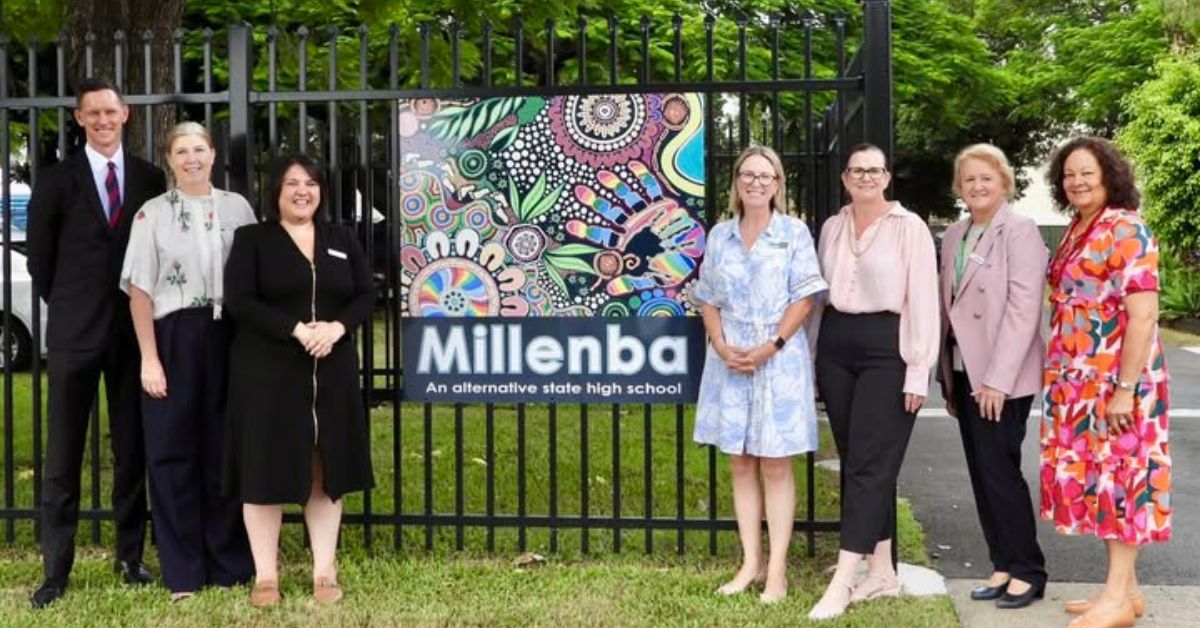
Tennyson’s Barrett Adolescent School Officially Renamed Millenba, Meaning Place of Many Pathways

Barrett Adolescent School in Tennyson formally became Millenba on Tuesday 17 February 2026, adopting a new name meaning “place of many pathways” following a consultative process with staff, students and school stakeholders.


The renaming ceremony at the Tennyson campus brought together community members, Elders and dignitaries to mark the transition, with students delivering presentations that reflected the school’s values and purposes. The occasion recognised the history of the school under its former names while stepping forward into a new chapter grounded in inclusion, growth and opportunity.

For those unfamiliar with the school, Millenba occupies a quietly tucked-away site in the back blocks of Tennyson, formerly the grounds of Tennyson Special School. Despite its low profile in the broader community, the work carried out within its grounds is among the most meaningful of any school in Brisbane, supporting young people experiencing serious mental health challenges to transition from hospital back into education.

A School With a Layered History

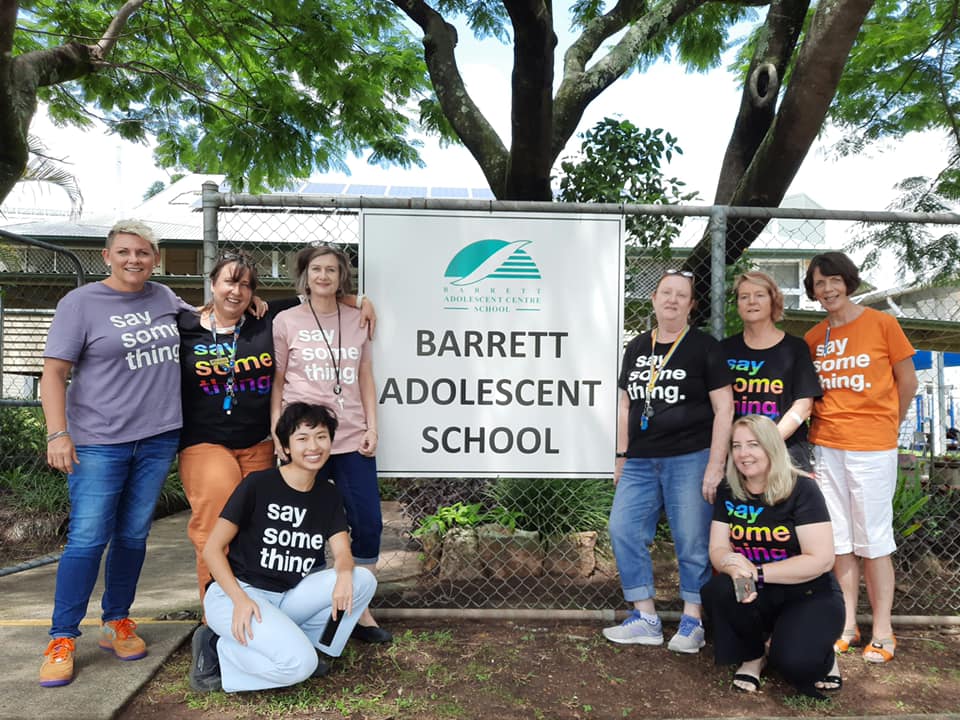
The story of the school on the Tennyson site has unfolded across several distinct chapters. Its origins lie with the Barrett Adolescent Centre Special School, which operated as part of the Barrett Adolescent Centre before undergoing significant change in 2014. That year, the school separated from the centre and relocated temporarily to Yeronga State High School, a move that allowed it to focus more specifically on the educational needs of students with complex mental health issues.

Barrett Adolescent School
Photo Credit: Barrett Adolescent School (Millenba)/Facebook

In 2015, the school was formally established as a stand-alone transition school on the former Tennyson Special School grounds, operating under the name Barrett Adolescent School. From that point, it continued its work supporting students in Years 7 to 12 who face significant barriers to accessing education in mainstream settings because of complex mental health needs. The school has served in that role for a decade, building a reputation within specialist education and health circles for the quality of its approach and the depth of its care.

The February 2026 renaming to Millenba marks the beginning of the school’s next chapter, with the new name chosen through genuine consultation with the people who know the school best.

What the Name Millenba Means

The name Millenba carries real significance for the community it serves. Translated as “place of many pathways,” it reflects the core reality of what the school does: it does not follow a single, fixed educational route but instead opens up multiple possibilities for young people who have had their educational journey interrupted or disrupted by serious health challenges. The name acknowledges that recovery, learning and growth rarely follow a straight line, and that the value of the school lies precisely in its capacity to meet each student where they are.

The renaming process was consultative, drawing on the perspectives of staff, students and stakeholders before arriving at a name that the school community felt genuinely represented its identity and purpose. The ceremony itself gave students a central role, with presentations that demonstrated both the quality of the school’s educational programme and the pride its young people take in belonging to it.

Why This Matters to the Tennyson and Oxley Reach Community

For residents of Tennyson, Oxley Reach and the surrounding suburbs, Millenba represents something that many may not have known existed in their neighbourhood. The school sits quietly within the Tennyson area, serving a group of young people whose needs are among the most complex in Queensland’s education system, with very little fanfare or public visibility.

That low profile is partly by design. The students who attend Millenba are navigating serious mental health challenges, and discretion and safety are part of what the school provides. But the renaming ceremony is an appropriate moment for the broader community to become aware of the extraordinary work happening in their suburb. A school that helps vulnerable young people find their way back to education and forward into life represents the best of what a community can offer its most at-risk members.

For families in the area who may have a young person experiencing mental health challenges that are affecting their ability to engage with mainstream schooling, Millenba may be an important resource worth knowing about.

More information about Millenba, including enrolment pathways and the school’s history, is available at millenba.eq.edu.au.


Published 16-March-2026.

Corinda Residents Respond to Approved Removal of Century-Old Street Tree at Donaldson Street

An approved application to remove a roughly 100-year-old tree outside 91 Donaldson Street, Corinda, has drawn responses from local residents, with the post drawing views on both sides.


Read: PTSD Advocate from Corinda Featured Among Queensland’s 2026 Award Nominees


A group of Donaldson Street neighbours raised the matter in a post to a Facebook group, saying the tree had been part of the street’s character for decades and provided canopy, shade and cooling to the neighbourhood. They say the previous owner of the property lived alongside the tree for more than 70 years.

According to the post, it was widely understood and disclosed during the recent sale of the property that the tree formed part of the streetscape and was unlikely to be approved for removal. The neighbours say the new owners subsequently sought the tree’s removal. The post states the proposed removal appears to be linked to improving the property’s rental potential.

Photo credit: Google Street View

The neighbours are calling on residents to write to Brisbane’s local officials and Cr Nicole Johnston requesting the tree be retained and any proposed removal be carefully reviewed.

The post drew responses on both sides. Some residents expressed support for keeping the tree. “Trees are so important in our lives,” wrote one commenter who said they grew up in the area. Others raised concerns about the species, citing falling branches, vehicle damage, and the volume of green waste it produces. One commenter noted the tree blocks the driveway to the property, describing the situation as “a tough one.”

Donaldson Street
Photo credit: Google Street View

Several residents also cautioned against assuming the approval was made without proper grounds. “Usually council is very reasonable regarding removing trees,” one wrote, suggesting that an approval typically reflects an assessment of health or safety risk, and noting that those opposed to removal might consider whether they would be prepared to accept liability for future damage.

What the Local Laws Say

Street trees in Brisbane are protected under the Natural Assets Local Law 2003. Residents require permission before pruning, removing or otherwise interfering with a Council tree, including works affecting a tree’s root system.

When a removal is sought, Brisbane conducts an inspection through a qualified arborist, who assesses the tree and recommends a course of action in line with Council’s guidelines. According to Council’s website, grounds that may support a removal assessment include trees posing an imminent risk to public or private property, diseased or dead trees, fallen trees, broken branches, and obstructions to footpaths, roads or traffic sightlines.

Brisbane’s guidelines also set out what does not constitute grounds for removal or maintenance works. These include leaf, fruit, seed or flower drop; shading of private swimming pools or solar panels where trees predate the installation; improvement of views from private property; and fence-line pruning.


Read: Street Spotlight: Dewar Terrace, Corinda


Following an assessment, possible outcomes include no action, pruning, health management, or removal and replacement planting. Where a tree is removed, Council replants within the local area where the site is suitable, though not necessarily the same species.

Residents can submit a tree maintenance or removal assessment request online via the BCC website or by calling Council on 07 3403 8888.

Published 11-March-2026
Veterinary Roadshow Brings Personalised Pet Care to Durack

Nearly every dog tested during a recent veterinary pilot program across Australia was found to still have active immunity against core diseases, sparking a major shift in how local pet owners in Durack approach their annual clinic visits.


The findings suggest that many dogs may be receiving more injections than their bodies actually require to stay safe. By using a simple blood test known as a titre test, vets can now see exactly how much protection a dog has left from previous vaccinations. This method allows for a more tailored health plan that focuses on the individual needs of the animal rather than following a generic schedule for every pet in the neighbourhood.

The Roadshow Comes to Queensland

Durack

The upcoming event in Durack is part of a national tour organised by 5 Hounds, a pet wellness company focused on evidence-based care. The clinic will take place at Dogs Queensland, located at 247 King Avenue, on 14 March. Pet owners can bring their dogs between 9 am and 3 pm to meet with professionals and have the testing performed. 

This stop is one of five major city visits designed to make advanced veterinary diagnostics more accessible to everyday families. While the service costs $150 for the general public, it is offered at no cost to those who subscribe to the 5 Hounds health platform.

Scientific Insights into Canine Immunity

Durack
Photo Credit: Supplied

The push for this roadshow began after a trial run involving 510 dogs showed that only three of them actually needed a booster shot at the time of testing. Dr Will Maginness, the veterinarian who started the initiative, explained that the goal of the program is to ensure dogs are protected without being over-treated. 

He noted that while vaccines are vital for stopping the spread of serious illnesses like parvovirus and hepatitis, many dogs retain their immunity for much longer than a single year. According to the World Small Animal Veterinary Association, adult dogs that have finished their initial puppy shots generally only need core boosters every three years at most.


Beyond the Needle

Testing is only one part of the broader health picture for local dogs. The program also highlights how a dog’s diet and gut health play a massive role in how well their immune system functions over time. By combining regular diagnostic checks with high-quality nutrition, owners can often help their pets maintain natural defences more effectively. 

Dr Maginness stated that these tests are meant to work alongside regular physical exams, which remain the most important way to catch other health issues early. The initiative aims to give Durack residents the data they need to make confident decisions about their pets’ long-term wellbeing.

Published Date 09-March-2026
Graceville Memorial Park Restoration on Track before Anzac Day

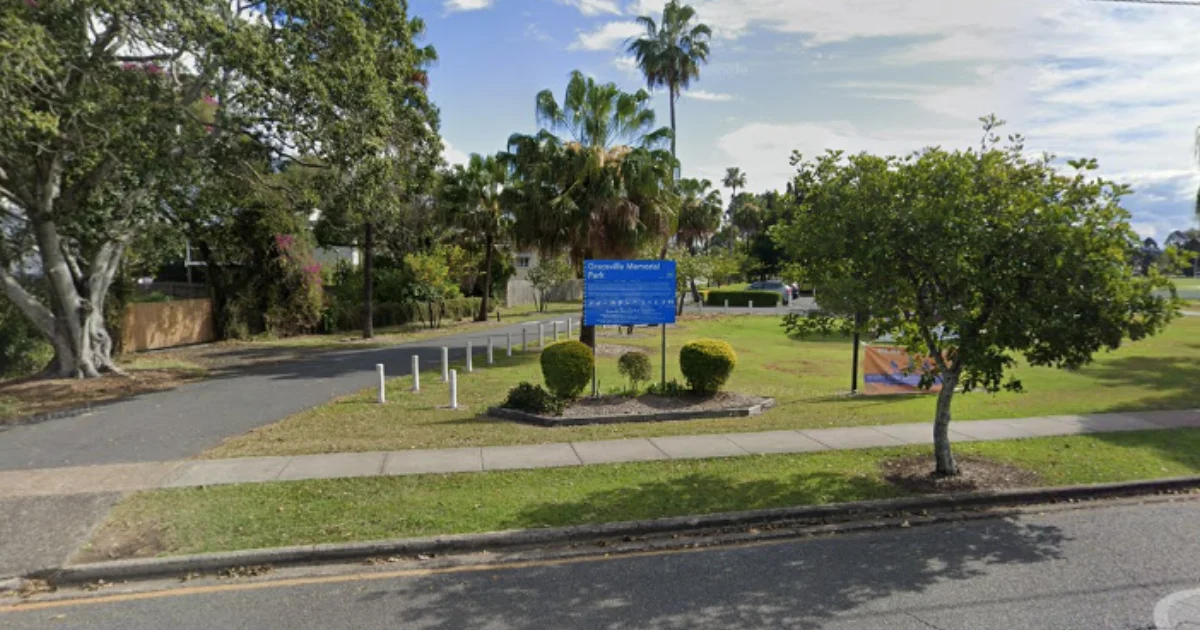
Graceville Memorial Park is set to be restored before Anzac Day, after storm damage and years of deferred maintenance left the site in disrepair. The memorial park, off Oxley Road in Chelmer, is home to 52 heritage trees originally planted in 1919 as a tribute to local soldiers and a nurse killed in World War I, and a cenotaph commemorating their service.

Several of those memorial trees were brought down during severe storms in late October last year. Beyond the storm damage, planted areas across the park had also fallen into disrepair over recent years. Cr Nicole Johnston raised the matter formally in early February 2026, pushing for restoration work to be completed before the April 25 commemorations.

Photo credit: John Tasker/Google Maps

Cr Johnston described the situation as a battle, noting that residents living along the park had long been proud of it and that the park was not being looked after. She pointed to the scale of the accumulated problems, such as missing trees, general mess and a lack of routine maintenance, saying the situation had grown so big precisely because it had not been addressed.


Read: After More Than 100 Years, Graceville Croquet Club Continues to Thrive


Photo credit: Stephen Kelly/Google Maps

Cr Adrian Schrinner confirmed that restoration work is planned for completion before Anzac Day. Five new heritage hibiscus trees will be planted along Plumridge Street and Appel Street, garden beds will be mulched, and around 350 metres of coir logs will be replaced.


Read: Oxley Memorial Puts Purple Poppy Day Focus on Service Animals


The park is actively used by the local community, with Taylor Bridge Rugby, South West United Hockey Club, Graceville Croquet Club and Western Suburbs District Cricket Club all operating from the site. Queensland has previously noted that some of the original memorial trees were replaced during the 20th century following vandalism.

Published 7-March-2026

Women Leading the Way in SEQ Catholic School Communities

Communities across South East Queensland are seeing more women step into the top jobs at their local Catholic schools, with a growing number of female educators appointed as principals and heads of college in recent years. As International Women’s Day approaches on 8 March, Brisbane Catholic Education (BCE) has highlighted the appointment of 29 women to principalship or head of college or campus roles over the past two years, reflecting a shift toward stronger female representation in school leadership.

From Graceville and Bardon to Mango Hill, Birkdale and Scarborough, these appointments are shaping the future of education in neighbourhoods across the region. For families, students and staff, it means welcoming experienced educators who will guide school communities through the next chapter of learning and growth.

BCE’s People and Culture Executive Cathy Heffernan said the appointments reflect a broader effort to support and prepare more women for leadership roles in schools.

“Since the program commenced, 38 per cent of participants have progressed into Head of College, Principal or BCE office leadership roles,” Ms Heffernan said.

“Beyond appointments, the program builds confidence, capability and connection, qualities that are essential for leadership in today’s educational landscape.”

Jessica Lusk, Head of College Unity College (Secondary), Caloundra West
Photo Credit: Supplied

Across BCE schools, female principalship has increased from 33 per cent in 2021 to 50 per cent in 2026. In BCE offices, women now make up 64 per cent of leadership roles, up from 48 per cent in 2021.

Many of the recently appointed leaders have participated in BCE’s Women in Leadership program, which was reimagined in 2024 to strengthen leadership pathways and build a pipeline of future-ready female leaders.

For educators like Notre Dame College, Bells Creek Head of College Jasmine Brown, the program has had a lasting impact.

“For me the program highlighted the importance of women actively supporting and advocating for one another,” she said.

“I also found the course an opportunity to connect with other like-minded women who shared the same aspirations for senior leadership.

“The impact of the program has endured well beyond its conclusion, particularly for me through the lasting professional relationships I have built.”

Jasmine Brown, Head of College Notre Dame College, Bells Creek
Photo Credit: Supplied

Since March 2024, a number of schools across South East Queensland have welcomed new female leaders, including appointments at St Mary’s College in Ipswich, St Patrick’s Primary School in Nanango, Unity College in Caloundra West, and St Francis College in Crestmead.

Other appointments span communities including Graceville, Bardon, Mango Hill, Ferny Grove, Birkdale, Zillmere, New Farm, Scarborough and Enoggera, where local school communities are now led by experienced educators committed to supporting students, families and staff.

For BCE, the growing number of women stepping into leadership roles reflects a commitment to creating inclusive leadership pathways and recognising the vital contribution women make to education and their communities.

As schools across the region celebrate International Women’s Day, these appointments highlight the strong role women continue to play in shaping the future of Catholic education across South East Queensland.

NamePositionSchoolSuburb
Alison GilbertPrincipalSt Mary’s CollegeIpswich
Sarah McCarthyPrincipalSt Patrick’s Primary SchoolNanango
Jessica LuskHead of College (Secondary)Unity CollegeCaloundra West
Nicole de VriesHead of College (Primary)Unity CollegeCaloundra West
Andrea HickeyHead of CampusSt Francis CollegeCrestmead
Bernadette WrightPrincipalChrist the King SchoolGraceville
Carol SeagarPrincipalSt Joseph’s SchoolBardon
Clare HoganPrincipalOur Lady of Good Counsel SchoolGatton
Renay CondonPrincipalSt Benedict’s Primary SchoolMango Hill
Louise ParryPrincipalSt Thomas More Primary SchoolSunshine Beach
Amanda SteerPrincipalSt Andrew’s Catholic Primary SchoolFerny Grove
Nadia GalettoHead of CollegeSt Bonaventure’s CollegeFlagstone
Jo-Anne BoylePrincipalHoly Spirit SchoolBray Park
Gabrielle JansenPrincipalSt Mary MacKillop Primary SchoolBirkdale
Cheryl BellPrincipalSt Flannan’s Primary SchoolZillmere
Bianca MurphyPrincipalHoly Spirit SchoolNew Farm
Liesl ProfkePrincipalSt Clare’s Primary SchoolYarrabilba
Tracey-lee CheesmanPrincipalOur Lady of Fatima Primary SchoolAcacia Ridge
Veronica WasiakPrincipalSt Michael’s CollegeMerrimac
Gemma LovellPrincipalMother Teresa Primary SchoolOrmeau
Velma ErskinePrincipalSt Joseph’s Primary SchoolNorth Ipswich
Megan PidskalnyHead of CampusFisherONE Online Education
Jasmine BrownHead of CollegeNotre Dame CollegeBells Creek
Melissa FallarinoHead of CampusSouthern Cross Catholic CollegeScarborough
Felicity PryerPrincipalSt Pius X SchoolSalisbury
Lisa AtholwoodHead of CampusEmmaus CollegeJimboomba
Sharon CollinsPrincipalSiena Catholic CollegeSippy Downs
Kate MacArthurPrincipalOur Lady of Assumption SchoolEnoggera
Helen BoyesPrincipalSt Paul’s SchoolWoodridge

Published 6-March-2026

Olympian Kai Edwards Swaps the Starting Blocks for the Blue Line at Oxley

When Kai Edwards stood on the start line at the Tokyo 2020, he was preparing for a 10-kilometre test of endurance in open water.


Now, the Olympic marathon swimmer is preparing for a different kind of test — serving Queensland communities after graduating from the Queensland Police Service Academy in Oxley.

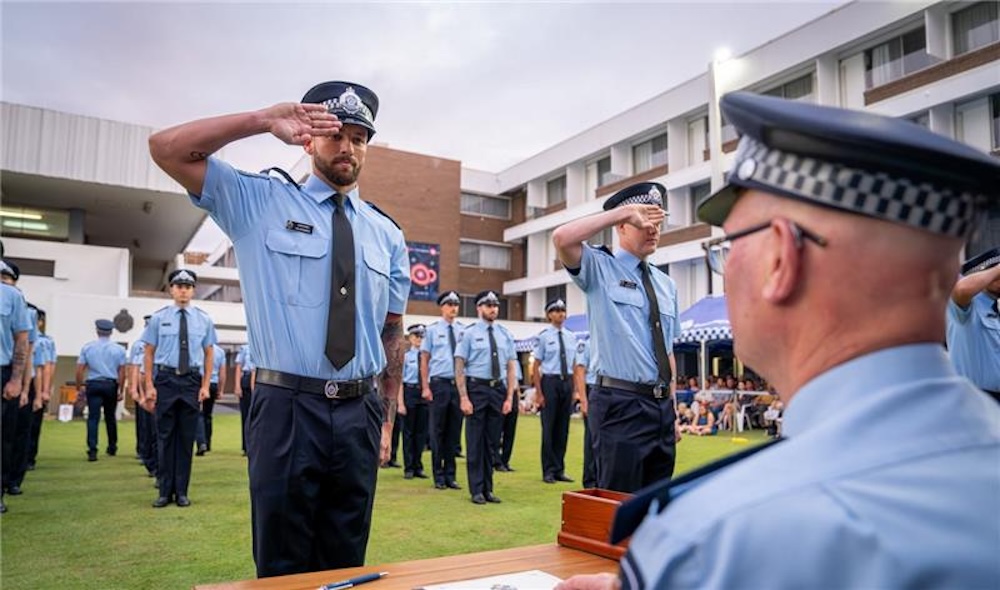
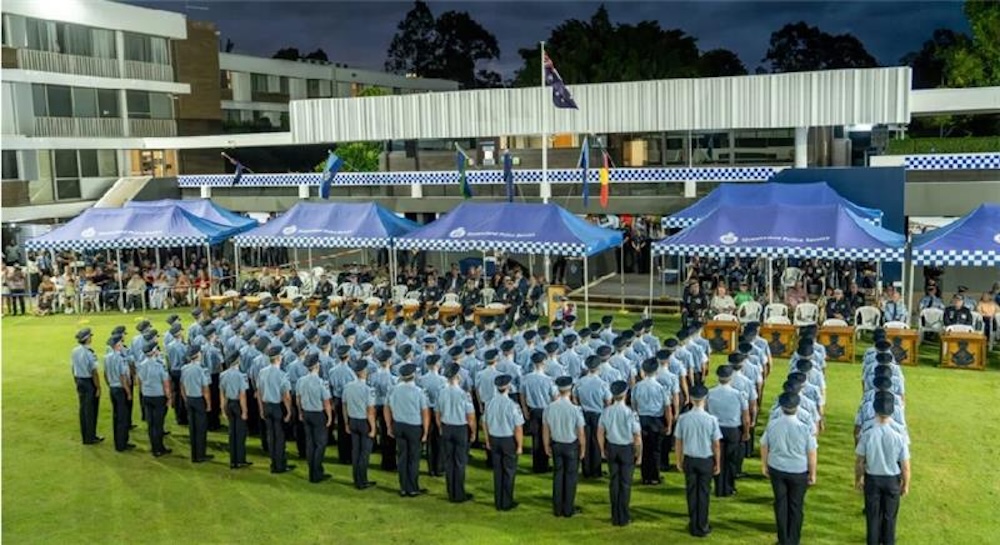
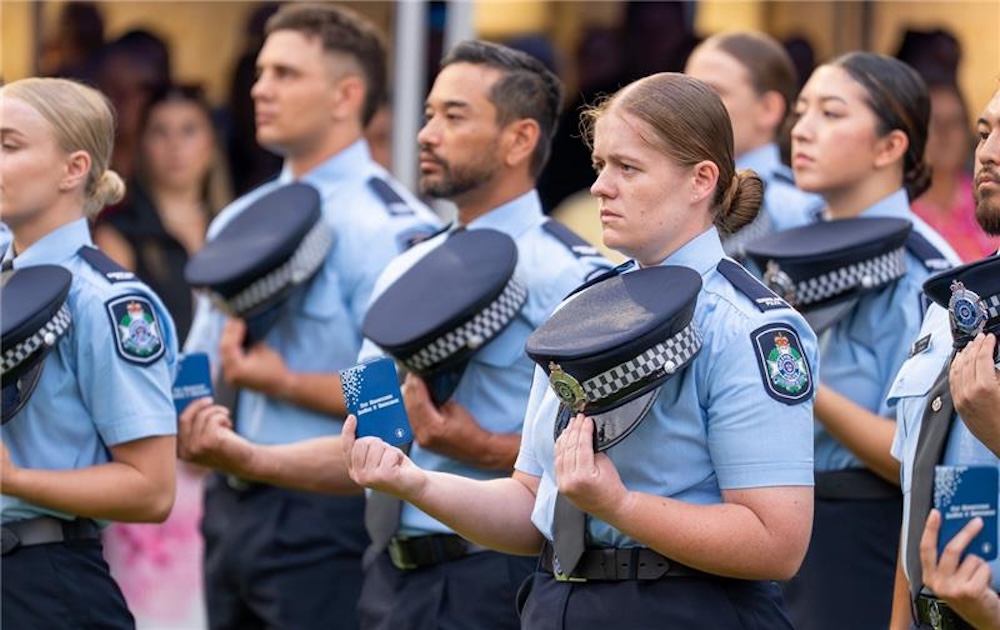
The Gold Coast athlete, who represented Australia in the Men’s 10km marathon swim in Tokyo, is among 123 new First Year Constables welcomed into the Queensland Police Service this week following the latest Brisbane Academy graduation.

Photo Credit: QPS

For Oxley and surrounding suburbs covered by Over the Walter Taylor Bridge, the milestone carries a local connection. The Oxley-based academy continues to produce frontline officers who will now be deployed across the state — including key Brisbane districts.

From Olympic Waters to Community Service

Constable Edwards joined the Service after retiring from professional swimming, bringing with him the resilience, discipline and mental strength forged through elite sport.

“Being an athlete is both mentally and physically demanding, and it requires a high level of resilience, discipline and determination — qualities I believe will be so valuable in my role as a QPS officer,” Constable Edwards said.

After stepping away from competitive swimming, he became increasingly involved in community engagement, where interactions with officers influenced his next chapter.

“I saw how officers supported their communities, and I felt it would be a privilege to be a part of the QPS.”

His transition reflects a broader theme within the graduating cohort, which includes recruits from diverse professional backgrounds such as defence, education, childcare and international policing.

123 New Officers to the Frontline

In total, 123 new constables graduated from the Brisbane Academy, with deployments stretching from metropolitan Brisbane to regional Queensland.

Photo Credit: QPS

Within Brisbane alone:

  • North Brisbane District will receive 14 new officers
  • South Brisbane District will receive 11 new officers

Those figures represent a significant reinforcement of frontline capability across the capital, supporting suburbs from Ferny Grove and Stafford in the north to Sherwood, West End and Upper Mount Gravatt in the south.

Acting Police Commissioner Brett Pointing APM told graduates that policing is more than employment.

“A career in policing is more than a job; it’s a calling to protect and make a meaningful difference in the lives of Queenslanders,” he said.

A Moment of Reflection

The ceremony also paused to honour the service and sacrifice of two officers who lost their lives in the line of duty. The families of Senior Constable Brett Forte and Senior Constable David Masters were presented with Queensland Police Blue Heart Medals, recognising their ultimate sacrifice and commitment to protecting the community.

The minute of silence underscored the responsibility now carried by the newest recruits as they begin their careers.

Photo Credit: QPS

The Oxley Academy’s Ongoing Role

For Oxley residents, the Academy remains a steady presence — quietly shaping the next generation of officers who will serve across Queensland’s cities, suburbs and remote communities.

Kai Edwards’ journey from Olympic waters to the parade ground is a reminder that elite performance and public service share common ground: discipline, resilience and commitment to something bigger than self.

From the marathon swim course in Tokyo to the streets of Queensland, the race has changed — but the purpose remains clear.


Published 3-Mar-2026