



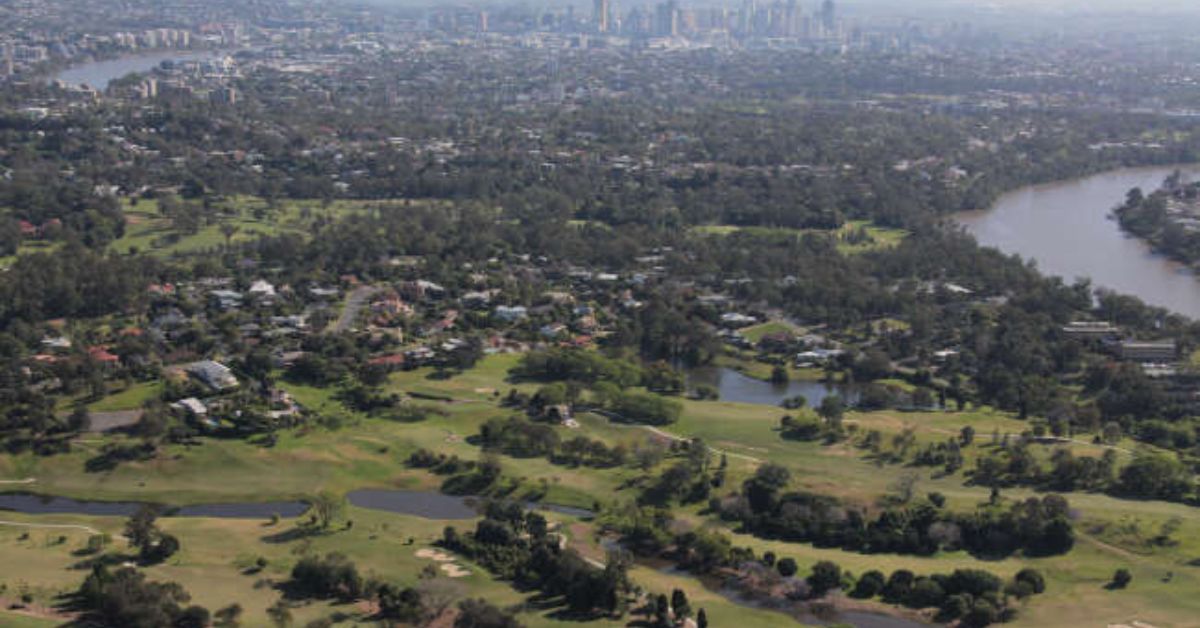
From a neighbourhood centre a few blocks from Oxley Creek, two part-time community workers are quietly building the flood resilience networks that Brisbane’s south side will depend on when the next major flood arrives.
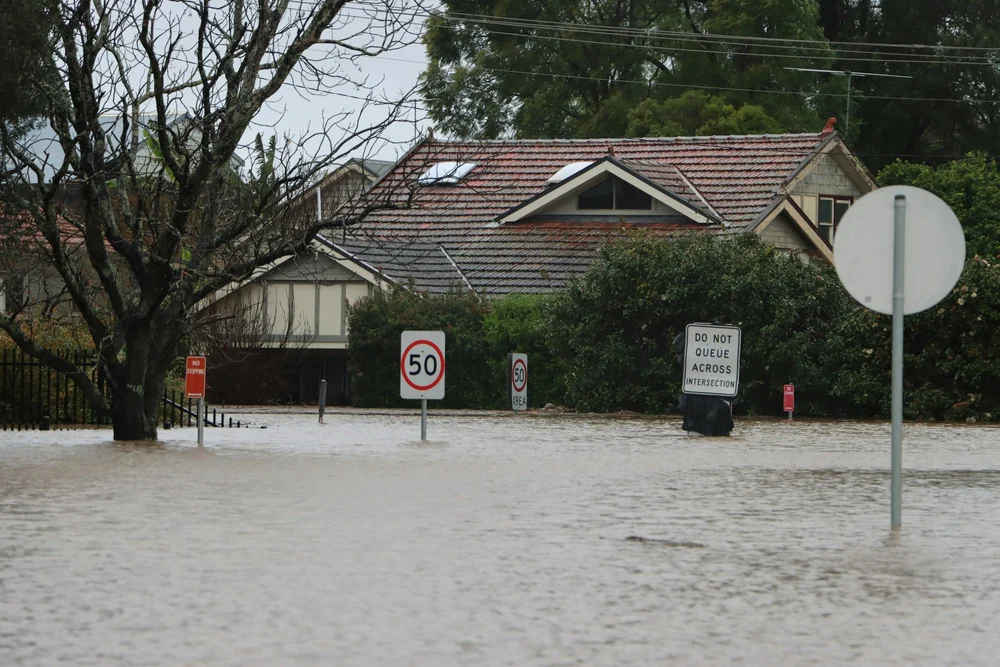
Sandiellen Black and Dr Paula Hardie work out of the Benarrawa Community Centre in Graceville, a suburb that residents and long-timers know floods. The grassy parks that stretch along its wide streets, the football fields, the netball courts — all of them go under when the creek rises. The centre itself felt Oxley Creek lap at its door in 2022 and watched the water climb well above its windows in 2011.

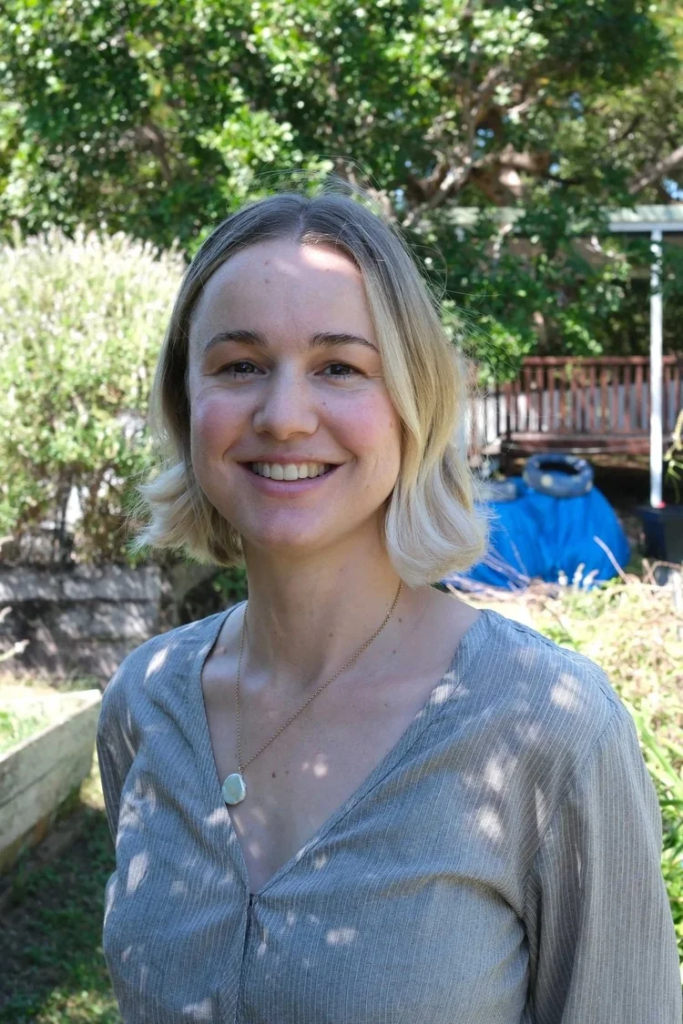
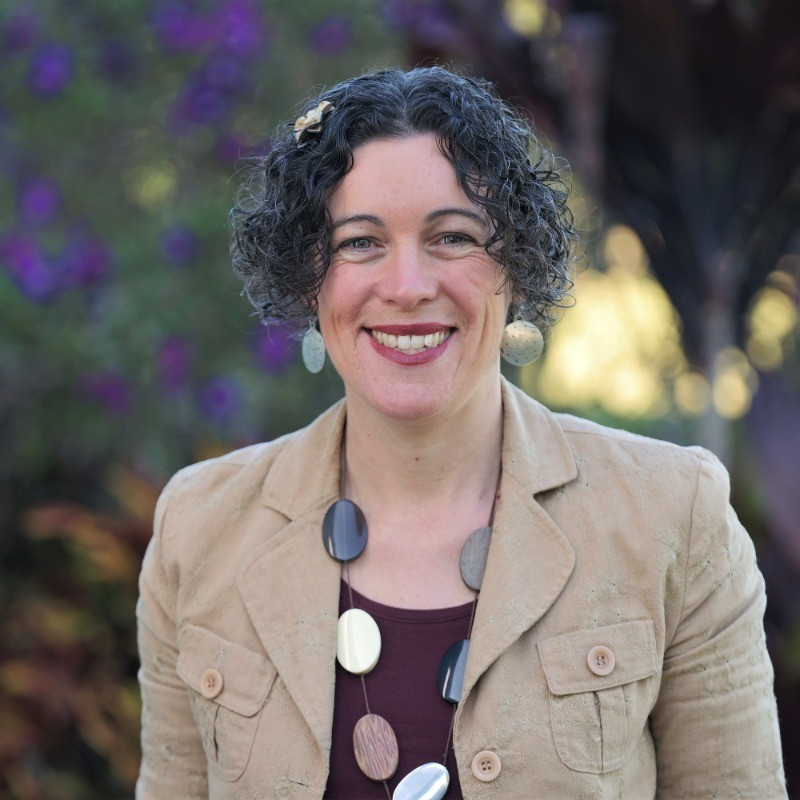
Black works 12 hours a week as a community development coordinator. Hardie is employed two days a week as a neighbourhood resilience worker. Together, they cover seven neighbourhoods, helping residents build the connections, plans and practical knowledge that make the difference between a community that copes and one that doesn’t.
The word Benarrawa is the Indigenous name for the creek a few blocks away, better known as Oxley Creek. The naming is fitting. This is work that runs close to the water.

Funding that doesn’t match the scale of the job
“Piecemeal” is the word Black uses to describe the funding Benarrawa receives for this work. Hardie’s own position runs on a 12-month contract drawn from three separate funding streams — a structure that reflects a broader pattern in how disaster resilience work gets resourced in Queensland.

One of the structural tensions Black and Hardie navigate is the mismatch between how flood risk actually distributes across a community and how formal disaster management is organised. Brisbane’s metropolitan planning boundary is enormous, and what works at a city-wide planning level does not always translate into the granular, street-by-street knowledge that effective flood preparation requires.
Neighbourhood centres sit in that gap, doing the relationship-building and local intelligence work that no centralised agency can replicate at scale.
Natasha Odgers from Neighbourhood Centres Queensland is working to change that dynamic. “We’ve been approaching all kinds of various funders and decision makers in the disaster management sphere to highlight the need for long-term funding positions,” she said. “Right now, they are very much based on a specific disaster event, typically for short periods of time.”



The biggest single funding avenue is the federal Disaster Ready Fund. Black and Hardie have applied, proposing a partnership with three other neighbourhood centres and eight resident-led resilience groups. “We’re hoping to partner up with three other neighbourhood centres alongside eight resident-led resilience groups,” Hardie said. “We’re hopeful, but this process is extremely stressful and short. It’s unlikely, but we’re optimistic.”
The fund has dropped from $200 million in its first three rounds to $142 million in the current year, with a focus tilted toward infrastructure projects rather than community-based resilience work.
The volunteer who knocked on every door in Oxley
In 2024, Black and Hardie knocked on Jessica Tovey’s door in nearby Oxley, looking for volunteers. Tovey describes herself as “pretty much all in now.”
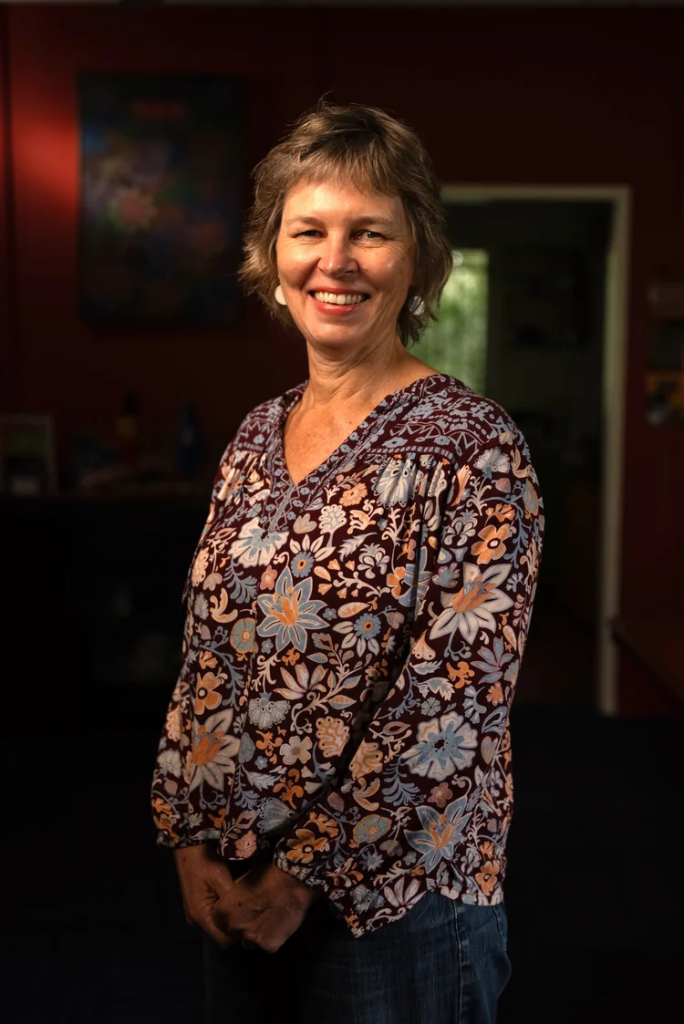
She has since founded the Oxley Creek Flood Action Group, which meets monthly, and has surveyed her neighbourhood systematically to understand what residents will need when it floods and what they can offer each other. Her resulting list captures who has chainsaws, who has spare bedrooms and can take people in, who has land on higher ground for cars, and who has skills that can be matched to community needs when the water rises.
Tovey now introduces herself to anyone moving into the area, survey in hand. She said she is consistently surprised by how many new residents do not know the suburb floods. “Either they don’t know or they don’t know the extent, so I make sure I get around to everybody in the neighbourhood who either buys or rents,” she said.
That gap in community knowledge is itself a flood risk. Areas like Graceville and Oxley attract buyers and renters who may have no lived experience of what it looks like when the creek comes up, and no idea what the practical implications are for their household, their car or their neighbours.
The knowledge that only local networks carry
Margaret Cook, a research fellow at Griffith University’s Australian Rivers Institute and author of A River with a City Problem, has studied the relationship between community groups and formal disaster management systems in Queensland. She describes groups like Benarrawa and the resident networks they support as integral to flood readiness at a city scale.
“They keep an eye on their community. They learn who’s vulnerable. They learn who is getting older. They learn who has a disability. And that’s an ongoing responsibility,” Cook said.
Cook notes that the phrase “shared responsibility” appears regularly in official flood resilience literature, but the way neighbourhood centres are actually supported does not reflect that framing. The burden of building and maintaining that local knowledge falls heavily on small teams running on short-term contracts, often doing work that far exceeds what their hours and funding formally cover.
Getting involved in flood resilience near you
The Benarrawa Community Centre is the coordination hub for flood resilience work across Graceville and surrounding neighbourhoods on Brisbane’s south side. The Oxley Creek Flood Action Group meets monthly and welcomes new members, particularly recent arrivals to the area who want to understand what flooding means for their street and household.
The Queensland Reconstruction Authority maintains liaisons dedicated to helping community organisations and NGOs navigate resilience funding. Information on the federal Disaster Ready Fund is available here.
Published 19-June-2026