


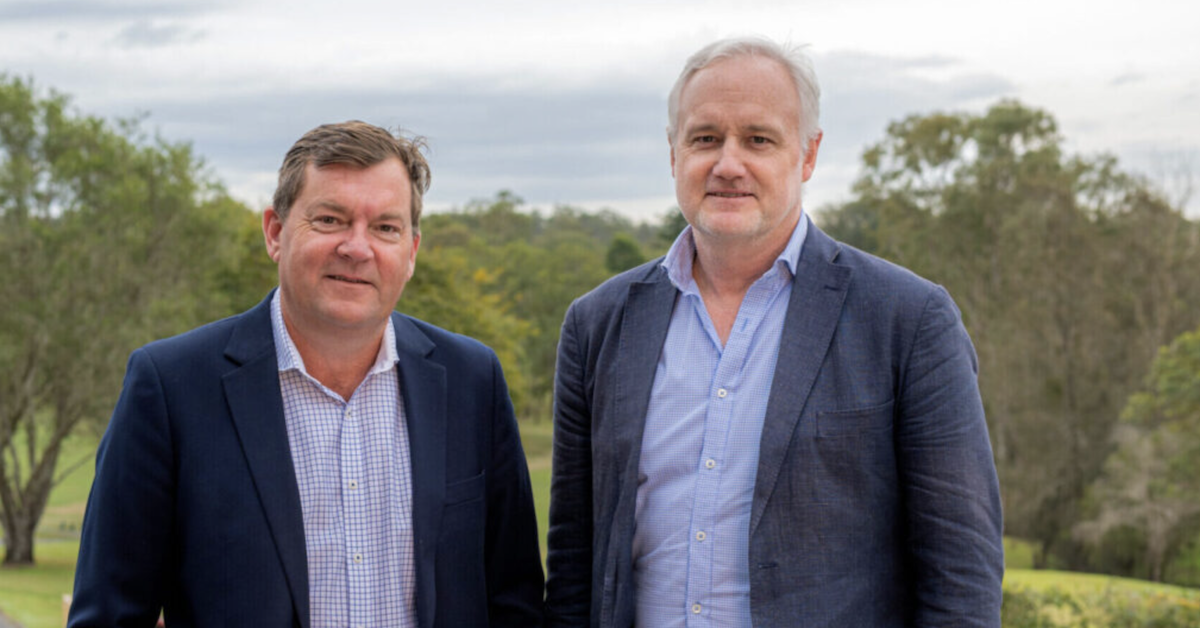
Retirement living has been evolving so rapidly across Brisbane that when two local entrepreneurs developed their vision for a new standard of luxury retirement in sought-after locations, their own parents insisted on moving in. When Tim Russell and Mark Taylor set out to reshape the living experience of people looking forward to their best years in retirement, they were responding to a clear shift in what older Australians wanted — connection, convenience, and the ability to stay in the area they know and love.
Drawing on decades of experience in the retirement sector, the pair founded Aura Holdings in 2016 with a belief that retirement living should feel modern, vibrant and socially connected. Instead of accepting the traditional model of large, broad acre developments, they focused on medium-rise, architect-led buildings in established suburbs — places where residents could downsize without disconnecting from the daily life of their neighbourhood.
The Founders’ View: Why Retirement Living Must Evolve
For Russell and Taylor, the future of retirement living is defined not by size but by purpose. They believe the next decade will favour smaller, boutique villages in established suburbs — places designed to support independence, access and connection rather than the isolation of large outer-suburban estates.
Their view reflects two fundamentals. Older Australians increasingly want proximity to transport, healthcare, shops and family, enabling them to stay active and engaged in the neighbourhoods they know. With home-care packages expanding, retirement villages have become ideal settings for supported independent living — provided operators partner with specialist care providers rather than try to replace aged care themselves.
Their guiding principle is simple: retirement living should widen life, not narrow it. That means apartments designed for independent living, thoughtful shared spaces, and communities where privacy and belonging can comfortably coexist — a philosophy they believe the sector must adopt to stay relevant.
Q&A WITH TIM RUSSELL
In a recent interview with Brisbane Suburbs Online News, Tim Russell expanded on these themes and reflected on the changes shaping the sector today. The following Q&A is based on that conversation.
What is the biggest misconception people under 60 have about modern retirement living?
There’s still a general lack of understanding about what retirement living actually is. Many people still confuse it with aged care, or imagine older-style brick-and-tile villages built decades ago. That’s simply not the reality anymore.
Are today’s retirees very different from those of previous generations?
People themselves aren’t dramatically different, but they are generally wealthier and expectations are much higher. Location, architectural quality and meaningful community spaces now matter just as much as the apartment itself.
Why are boutique vertical retirement communities becoming more common in inner suburbs?
Because that option didn’t exist until recently. As Brisbane has densified and land has become scarce, vertical projects have become the natural solution. They bring residents closer to transport, medical services and retail—all things harder to access in traditional suburban villages.
What triggers someone to finally decide it’s time to downsize?
Often a major life event: a health issue, losing a partner, or realising the home no longer works. Others want to return to Brisbane to be near family, or simply free up capital from the family home to maintain their lifestyle in retirement.
How is the industry adapting to the rise of home-care services?
Low-care aged care doesn’t really exist anymore. Government policy has moved strongly toward home-care packages, and retirement villages are ideally positioned to deliver them efficiently. Aura partners with specialist providers rather than trying to operate home care directly.
What features are in demand now that weren’t common a decade ago?
Health and wellbeing spaces, organised programs, warm and accessible community rooms, and high-quality food service partnerships. Residents appreciate convenience and quality—like taking a lift to the pool or ordering restaurant-quality meals delivered to their door.
How do you balance independence with opportunities for social connection?
Through intentional design. People gravitate to small, intimate spaces, not oversized halls. When you create the right kind of spaces, resident-led groups—Mahjong, cards, knitting, music, pétanque, book clubs—emerge naturally.
What feedback surprises you most from residents and families?
The most common line we hear is, “I should have done this five years ago.” Once people move in, they almost always see a positive lifestyle change.
Why hasn’t public perception caught up with the reality of retirement living?
The sector hasn’t told its story well. Many still associate “retirement” with institutional care, even though modern villages are vibrant, connected and focused on lifestyle rather than dependence.
What changes do you expect over the next 10–15 years?
We’ll see far more smaller-scale villages—perhaps 12 to 20 apartments—with highly personalised services, concierge support and a boutique feel. Large 300-unit villages will become increasingly rare as land becomes more constrained.
From Litchfield to Radcliffe: A Village Built Over a Decade
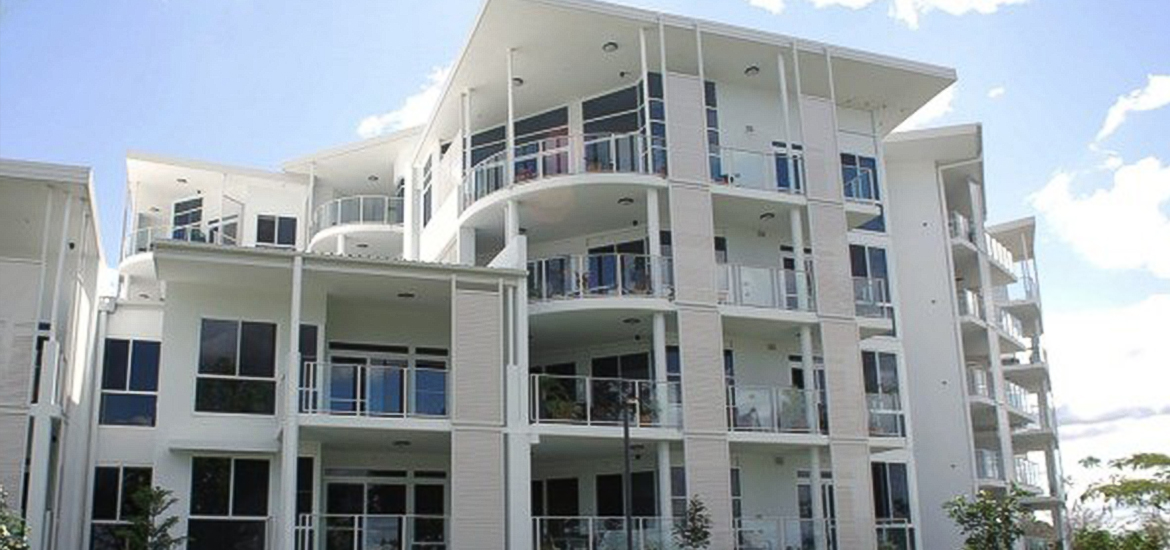
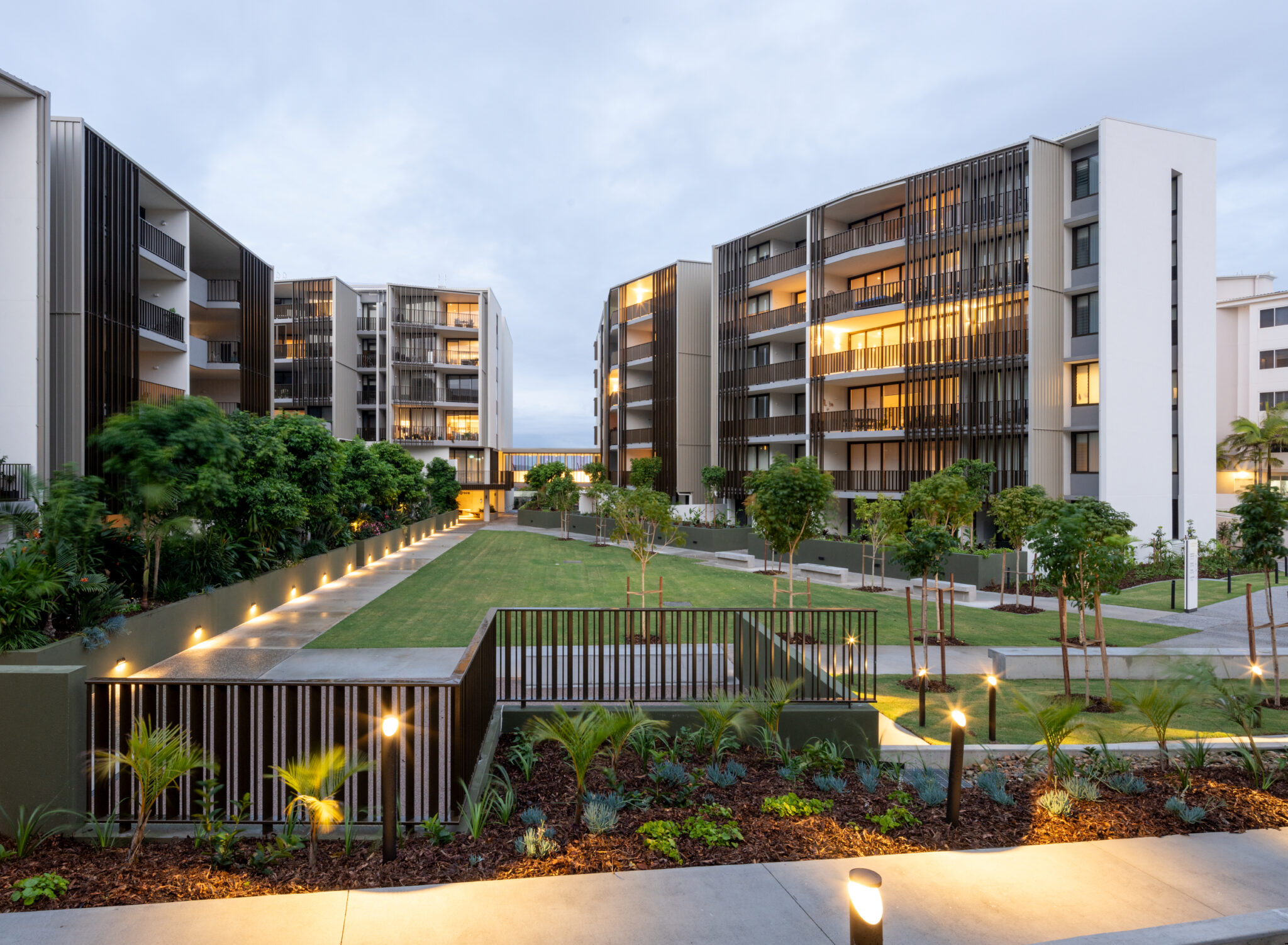
Kingsford Terrace Corinda is Aura’s philosophy expressed in bricks and mortar. When the founders acquired the site in 2016, only one building existed: Litchfield, a traditional first stage inherited from the previous operator. Instead of treating it as a constraint, Russell and Taylor used it as a foundation to reimagine the entire precinct.
Over the next ten years, they delivered six additional buildings, each one refining the village’s character and bringing it closer to their vision of a modern, connected retirement community. The final stage, Radcliffe, reached practical completion in late 2025, completing the village’s architectural identity. Designed with resident habits in mind, Radcliffe adds intimate community spaces and contemporary apartment layouts – small but meaningful enhancements that respond to how people actually live.

Photo Credit: Aura Holdings
For long-standing residents, Radcliffe’s completion feels like the closing chapter and the start of a new story. For Aura’s founders, the completion of Kingsford Terrace is proof of their commitment to long-term management and to building communities that evolve with the people who call them home.

As Brisbane continues to grow and transform, the Aura model offers a glimpse of what retirement living can become: community focused, architecturally designed, and grounded in the idea that ageing well is as much about community as it is about care.
A short video shared recently on Aura’s LinkedIn page captures this story visually. Shot at Kingsford Terrace to mark Litchfield’s ten-year anniversary, it shows both founders reflecting side-by-side on the early days—acquiring the site, planning a long-term transformation, working alongside residents through the build, and now seeing the final building open. The message is clear: Aura is not a developer that leaves when the concrete cures; it is an operator that remains embedded in the community for its entire lifecycle.

This philosophy extends across their portfolio. Aura’s directors are known to residents by name, attend community events, walk their sites regularly and maintain direct relationships with the people who live in their villages.

Their model of partnering with specialist home-care providers, investing in health and wellbeing spaces, designing intimate community rooms and ensuring premium amenities reflects a resident-first mindset rather than a profit-maximisation one.
A New Model for Ageing in Place
Tim Russell and Mark Taylor have spent years working to build communities they would be comfortable having their own families live in. With their parents and siblings already living in multiple Aura villages, most would say they’ve succeeded. Their blend of commercial discipline, personal connection, and resident-first design is positioning Aura as one of the most forward-thinking operators in modern Australian retirement living.
As Australia reconsiders how people want to age, Aura’s founders appear determined to help shape that conversation from the front.
This feature on the directors of Aura Holdings is part of a series of Thought Leadership pieces, designed to look into areas of our society and how the future will unfold in them.
Featured Image Credit: Aura Holdings