


A new generation of police dogs has officially joined the Queensland Police Service following a graduation ceremony held at the Dog Squad facility in Oxley.
The ceremony marked the end of a rigorous 12-week training program for 23 canine recruits and their handlers—eight general purpose dogs and 15 detection dogs trained in sniffing out drugs, firearms, and explosives, as well as tracking offenders. The graduating teams are set to be deployed across Queensland, including Brisbane, Townsville, and Bundaberg.
The event also honoured the legacy of former service dogs, with 47 memorial stones laid in remembrance of those that served in major investigations and high-risk incidents.
Photo credit: QPS
Officer in Charge of the Dog Squad, Acting Senior Sergeant Ash Purvey, said the day was about celebrating both achievement and legacy.
“Today we celebrate the future of canine policing in Queensland, while also recognising the dogs who paved the way with their service,” he said. “Each of the stones represents our partners and protectors—who have become part of our family.”
Photo credit: QPS
Police and Emergency Services Minister Dan Purdie described the graduation as a significant milestone for the Service and a strong reflection of ongoing efforts to support frontline safety.
Superintendent David French from Operations Support Command praised the graduating teams and highlighted the need for continued support and resources for specialist policing roles.
“These teams represent our commitment to innovative, adaptable and effective frontline policing,” Superintendent French said.
“By continuing to invest in our Dog Squad, we are equipping our officers, both human and canine, with the tools to meet the complex demands of modern policing.”
The Queensland Police Dog Squad, established in 1972, has significantly expanded over the decades and now includes 71 general purpose dogs and 20 specialist detection teams.
The graduation comes amid wider efforts to strengthen frontline policing across the state, with new equipment and technology being rolled out to support officers and improve community safety.
The State has awarded more than $14 million in funding to almost 600 not-for-profit organisations through the latest round of the Gambling Community Benefit Fund. Among the recipients is Guides Queensland Sherwood, which will receive $23,500 to construct storage space and repaint its facility.
The Gambling Community Benefit Fund (GCBF), now in its 123rd round, offers grants of up to $35,000. Since its inception over 30 years ago, the program has distributed more than $1.25 billion in funding to grassroots organisations across Queensland. The latest round attracted over 1,100 applications.
The GCBF provides financial support for projects that promote community wellbeing, including sport, volunteer initiatives, accessibility improvements, and local events. All funding is directed to eligible community-based organisations.
Role of Girl Guides Queensland
Guides Queensland Sherwood is a local unit of Girl Guides Queensland, which is the largest youth organisation for girls and women in the state. The organisation includes approximately 3,000 youth members and 1,000 adult volunteers and delivers a non-formal educational program aimed at skill development and leadership. Programs are led by trained volunteers and are tailored to individual member goals.
Funding Focus Only
The official announcement did not mention whether alternative projects in Sherwood were considered or if selection criteria changed in this round. The grant was one of nearly 600 awarded, based on applications submitted to Round 123.
Photo Credit: Girl Guides Queensland/Facebook
Community and Program Context
While the announcement did not provide direct public feedback, Guides Queensland is an established organisation with an ongoing presence in local communities. The grant to the Sherwood unit supports facility works in line with the group’s operational activities.
Applications for the next GCBF round — a $100,000 “Super Round” — close on 18 July 2025. Eligible not-for-profit organisations can apply through the Department of Justice website.
A $50-million overhaul is on the way for the Oxley Police Academy, promising state-of-the-art classrooms, new scenario-training spaces and upgraded accommodation for recruits who will one day patrol their areas of assignment.
Opened in 1972, the academy has long been the heart of police training for Brisbane’s south-west. The forthcoming project will be its biggest facelift yet, replacing ageing lecture rooms with tech-rich learning suites and adding an indoor tactical village that can mimic everything from suburban homes to convenience stores.
Local residents stand to benefit directly: the expanded campus is expected to train up to 1,600 new officers over the next four years, increasing the pool of frontline police available to the western suburbs. Additional driver-training facilities and refreshed fitness centres will ensure recruits graduate job-ready and fit for duty.
Plans also include a digital-forensics lab and upgraded firearms simulation ranges, equipping future officers to tackle cybercrime, youth offending and vehicle-related crime more effectively. Early site works are slated to begin within the 2025-26 financial year, with completion targeted ahead of the 2032 Olympics.
The academy revamp forms part of a $290.3-million program earmarked for new and improved police facilities across Queensland. Budget papers outline further spending on modern equipment for frontline officers, including 6,500 Taser 10s, upgraded body-worn cameras and tactical first-aid kits.
An additional $147.9 million has been set aside for these tools, while long-range planning documents confirm a dedicated $50 million line item to “upgrade and relocate functions of the Oxley Police Academy”.
Brisbane South’s regional brief also lists new CitySafe CCTV installations, extra POLAIR flight hours and continued funding for early-intervention youth-crime programs—all designed to bolster community safety alongside the academy upgrade.
For residents eagerly waiting for updates, the redevelopment means more locally trained officers, faster response times and a police cohort versed in the specific challenges of Brisbane’s south-west.
Training staff say the new facilities will allow recruits to practise real-world scenarios drawn from local call-outs, making on-the-job transitions smoother once graduates hit the beat in Oxley and other western suburbs.
Budget Relief and Infrastructure Upgrade for Tennyson
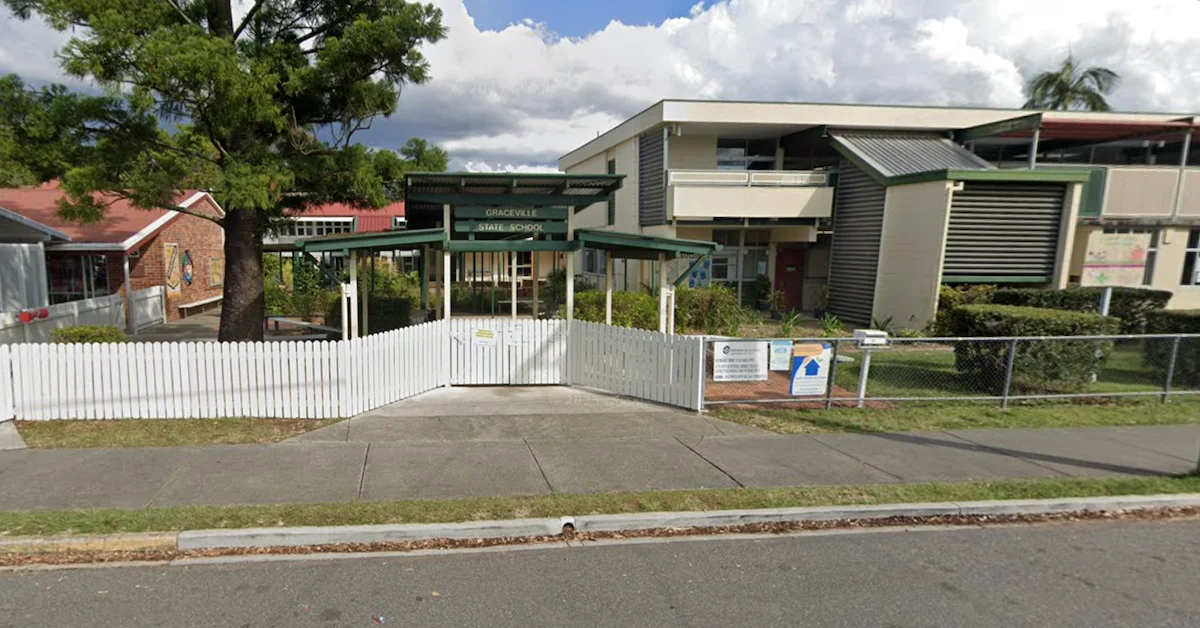
Tennyson is among just three suburbs in Brisbane set to receive a decrease in owner-occupier rates as part of BCC’s 2025–26 budget. Additionally, nearby infrastructure used by Tennyson residents—the Walter Taylor Bridge between Chelmer and Indooroopilly—has been allocated funding for continued restoration.
The $4.1 billion budget directs 85 per cent of spending into suburban areas. Tennyson residents will benefit from a 0.93 per cent decrease in their average residential rates due to changes in land valuations. By contrast, other suburbs will see rate rises of up to 7.5 per cent.
Walter Taylor Bridge Works Progressing
Although not located within Tennyson, the Walter Taylor Bridge serves as a key access point for the suburb. The bridge will undergo continued restoration works funded in this year’s budget. Planned works include structural repairs, rendering, and repainting, with completion expected ahead of the bridge’s 90th anniversary in February 2026.
Previous structural maintenance was undertaken last year, and this latest funding phase was confirmed following community concerns about the bridge’s condition.
Broader Budget Measures
Across Brisbane, owner-occupier rates will rise by an average of 3.87 per cent, with increases capped at 7.5 per cent. A new $100 annual surcharge will apply to inner-city unit owners purchasing after October 1. Meanwhile, a waste levy of $49.52 will be introduced citywide for green bins, even for those opting out of the service.
Photo Credit: Google Maps
Community Response and Implications
Residents in affected suburbs have raised affordability concerns due to increased rates and charges. In contrast, Tennyson’s combination of rate reduction and access to improved transport infrastructure has been regarded by some as a favourable outcome under this year’s budget.
With residential rates set to fall and improved connectivity through planned bridge restoration, Tennyson is one of the few suburbs positioned to benefit from the BCC’s 2025–26 budget. While most areas brace for increased costs, the Tennyson community will see both financial relief and infrastructure investment in the year ahead.
Kianga Street in Graceville represents a unique chapter in Brisbane’s suburban development story. While the surrounding Graceville neighbourhood was well-established, Kianga Street itself is a relatively recent addition to the area’s streetscape, carved out as the suburb evolved to accommodate growing residential demand.
With 100% of properties being owner-occupied and residents staying an average of 13 years and 7 months, the street demonstrates exceptional commitment to homeownership despite its shorter history. This dedication to the area is reflected in the fact that 50% of residents have called Kianga Street home for more than a decade. The street’s property transaction history provides fascinating insights into Brisbane’s early 2000s property boom, with notable sales including 15 Kianga Street selling for $1.8 million in March 2004 and 10 Kianga Street achieving $1.6 million in May 2005 – figures that showcase the premium nature of this exclusive pocket of Graceville from its early days.
Kianga St, Graceville Residents
NUMBER OF PROPERTIES: 11 % OF OWNER OCCUPIERS ON STREET: 100% AVERAGE TIME FOR OWNER OCCUPIERS: 13 years, 7 months % OF PEOPLE 10+ YEARS: 50%
Kianga St, Graceville – As It Looked in 1936
SOME TYPICAL PROPERTY SALES ON KIANGA ST FROM YESTERYEAR
Property Address
Sale Price
Sale Date
15 Kianga Street, Graceville
$1,800,000
Mar 2004
10 Kianga Street, Graceville
$1,600,000
May 2005
9 Kianga Street, Graceville
$800,000
Aug 2004
SUBURB PROFILE
The median price of a 3 Bedroom House in Graceville in 2025 was $1,175,000 The median price of a 3 Bedroom House in Graceville in 2021 was $763,000 TYPICAL INCREASE OF A 3-BEDROOM HOUSE IN GRACEVILLE SINCE 2021: $412,000
The median price of a 4 Bedroom House in Graceville in 2025 was $1,375,000 The median price of a 4 Bedroom House in Graceville in 2021 was $1,110,000 TYPICAL INCREASE OF A 4-BEDROOM HOUSE IN GRACEVILLE SINCE 2021: $265,000
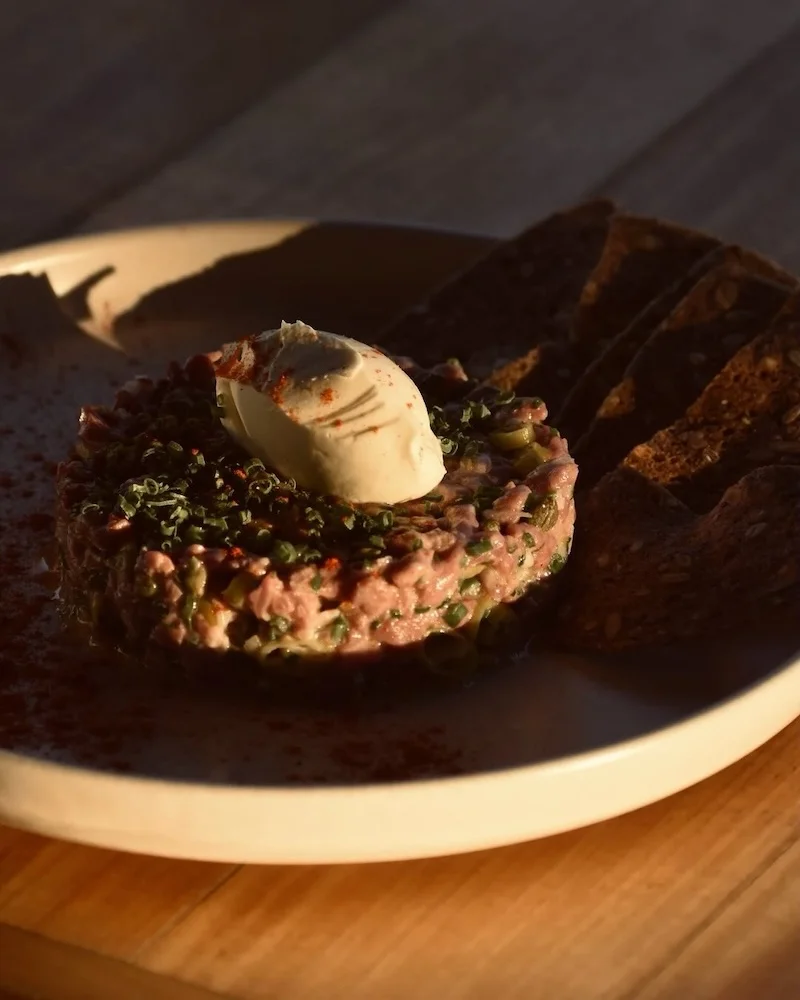
Botellón, located on Honour Avenue in Graceville, is bringing back its Paella Sunday event. Scheduled for 8 June, the offering will include a live cooking demonstration of chicken and chorizo paella by head chef Matt Woodhouse. For $35 per person, guests will receive a freshly cooked paella serving along with a seasonal salad sourced from Romarro Farm, charred sourdough, and house-made churros to share.
The event runs from 12:00 p.m. to 3:00 p.m. and is designed to offer a casual, social atmosphere that reflects the venue’s Mediterranean inspiration. Bookings are available through the restaurant’s website, though walk-ins are also welcome.
Throughout the afternoon, live music will accompany the event. Guests can also enjoy sangria jugs in red, white, or rosé varieties, available at $60 each. These are intended for sharing among groups, in keeping with the Spanish tradition of communal dining.
Photo Credit: Botellón Brisbane/Instagram
Botellón’s Background
Established in 2019, Botellón was opened by local operator Maddison Walker. The restaurant has developed a steady following in the Graceville area and offers a Spanish-style menu focused on both imported and local ingredients. The kitchen is led by chef Matt Woodhouse.
Regular menu offerings include multiple paella varieties such as seafood (Mariscos), vegetarian (Verde), and meat-based options. These are served alongside tapas like garlic prawns, patatas bravas, and mains such as lamb shoulder.
Photo Credit: Botellón Brisbane/Instagram
Dining Style and Setting
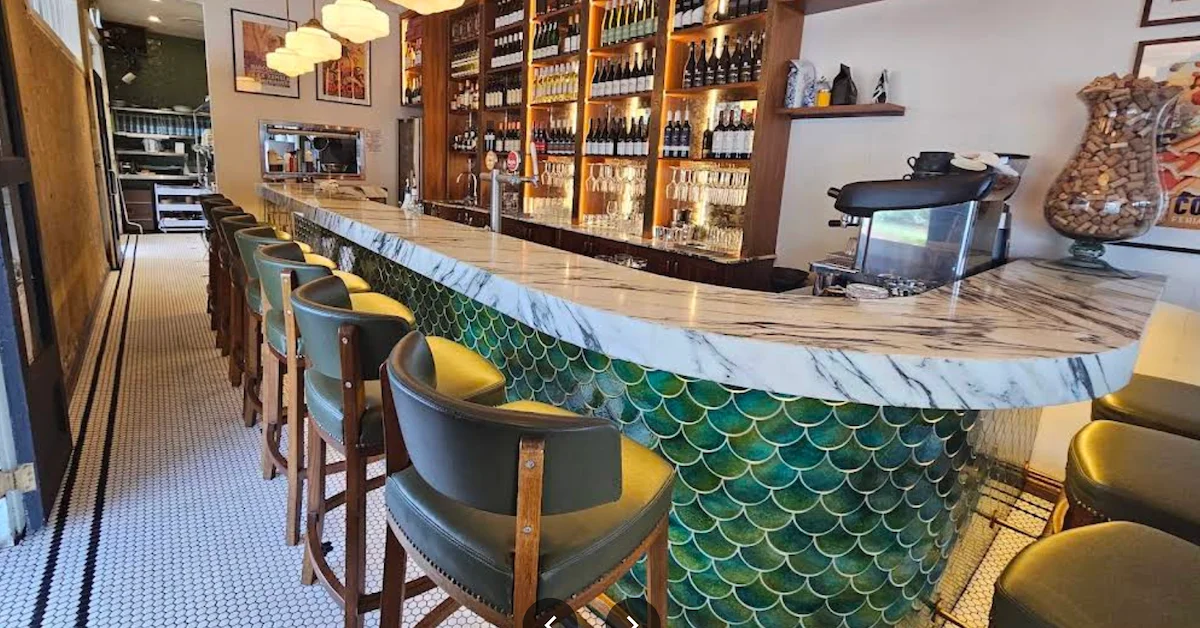
Botellón draws design inspiration from Spanish laneways and plazas. The venue features bar seating, indoor booths, and alfresco tables under fairy lights. It operates from Wednesday to Sunday, with the kitchen closing at 8:30 p.m. daily. Happy hour runs from 4:00 p.m. to 5:30 p.m. each day of operation.
Botellón’s Paella Sunday returns as part of the venue’s continued focus on Spanish cuisine and shared dining. The event reinforces the restaurant’s established presence in Graceville’s local dining scene.
Lama Street in Chelmer represents a perfect blend of established charm and evolving community character. Historical records from 1936 show the street already established in Brisbane’s prestigious riverside suburb, though the intervening decades have seen additional properties thoughtfully added to create today’s intimate streetscape.
With an impressive 95% of properties being owner-occupied, Lama Street demonstrates one of the highest levels of homeownership commitment in the area. While residents stay an average of 10 years, the street shows a balanced mix of established and newer residents, with 33% having called Lama Street home for more than a decade. The street’s property transaction history reflects Chelmer’s desirability as a blue-chip suburb, with early 2005 sales at 31 Lama Street reaching $670,000 and 23 Lama Street achieving $855,000 – figures that underscore the area’s long-standing appeal to discerning buyers. Below, an aerial image from 1936 captures this historic street in its original form, showcasing Chelmer’s established suburban character.
Lama St, Chelmer Residents
NUMBER OF PROPERTIES: 25 % OF OWNER OCCUPIERS ON STREET: 95% AVERAGE TIME FOR OWNER OCCUPIERS: 10 years % OF PEOPLE 10+ YEARS: 33%
Lama St, Chelmer – As It Looked in 1936
Lama St, Chelmer in 1936
SOME TYPICAL PROPERTY SALES ON LAMA ST FROM YESTERYEAR
Property Address
Sale Price
Sale Date
31 Lama Street, Chelmer
$670,000
Aug 2005
23 Lama Street, Chelmer
$855,000
Feb 2005
27 Lama Street, Chelmer
$460,000
May 1995
SUBURB PROFILE
The median price of a 3 Bedroom House in Chelmer in 2025 was $1,313,000 The median price of a 3 Bedroom House in Chelmer in 2021 was $825,000 TYPICAL INCREASE OF A 3-BEDROOM HOUSE IN CHELMER SINCE 2021: $488,000
The median price of a 4 Bedroom House in Chelmer in 2025 was $1,902,000 The median price of a 4 Bedroom House in Chelmer in 2021 was $1,213,000 TYPICAL INCREASE OF A 4-BEDROOM HOUSE IN CHELMER SINCE 2021: $689,000
Parts of Oxley, alongside 17 other Brisbane suburbs, are set to see buildings increase to five storeys in height from the current two or three, as authorities aim to tackle a severe housing affordability crisis by adding 6,000 new dwellings in the next five years.
The Lord Mayor announced the review on Wednesday, indicating that community consultation would begin soon, with the goal of implementing changes within a year.
Brisbane is currently ranked as the 13th least affordable city globally, a situation largely attributed to a significant lack of housing supply. In the low-to-medium residential (LMR) density zones, which cover 14 per cent of the city, dwelling approvals plummeted to just 445 two years ago, a sharp drop from the previous 10-year average of over 1,110 homes built annually in these areas.
Boosting Housing Supply
Photo Credit: Pexels
The proposed changes will allow for higher height limits and smaller lot sizes, potentially shrinking from a minimum of 400 square metres to 300 square metres. These adjustments are specifically targeting areas close to essential infrastructure, such as shopping centres, bus and train stations, and major roads.
Lord Mayor Schrinner stated that increasing housing supply is the most realistic solution to affordability issues, dismissing ideas like limiting short-stay accommodation or taxing vacant properties as overly simplistic and potentially harmful. He emphasised the need to “get more homes faster” and improve the feasibility of development to expand housing choices for residents, including first-home buyers.
Oxley’s Role in Development
Oxley, located approximately 11 kilometres southwest of the Brisbane CBD, is considered a prime location for increased density due to its proximity to the Oxley railway station and major transport corridors. The existing Darra—Oxley District Neighbourhood Plan already aims for growth in residential choice and multiple dwellings, especially around public transport.
Furthermore, the 19-hectare Oxley Priority Development Area (PDA), declared in 2018, is specifically designed to facilitate economic development and new homes. Projects like “Songbird” within this PDA align with the vision for a new residential community, including retirement living and community facilities.
The ongoing $100 million Oxley Creek Transformation project, which revitalises the creek corridor with green spaces, is also seen as supporting higher-density living by enhancing local amenity.
The announcement has been largely welcomed by the property development industry, including the Property Council, which called it a “welcome move” during the ongoing housing crisis. Urban design and planning experts also supported the initiative, stressing that thoughtful design is crucial to achieve positive outcomes while increasing housing supply. They believe that traditional Queenslander homes and character areas in suburbs like Paddington and Auchenflower are unlikely to be impacted.
However, concerns have been raised about the capacity of the construction sector to meet the demand for new homes. Master Builders Queensland stated that there is an insufficient number of qualified workers to build the required homes for Brisbane’s growing population, which added 73,000 people in 2023-2024 alone.
The Australian Institute of Architects also highlighted the importance of good design to avoid public pushback, ensuring new developments contribute to liveable communities with adequate privacy, safe streets, and appealing aesthetics.
The Real Estate Institute of Queensland noted a shift in public sentiment, suggesting a growing understanding and acceptance that higher density is necessary to address the housing problem. Council’s Labor Opposition Leader, Jared Cassidy, however, argued that the housing shortage is partly a result of the current administration’s decision to ban new townhouse developments in low-density zones in 2020.
For Oxley residents, the changes could bring increased housing diversity and a revitalisation of local centres with new shops and services. However, concerns remain about potential increases in traffic congestion, strain on existing infrastructure such as schools and utilities, and changes to the traditional neighbourhood character.
Council encourages residents to stay informed through official platforms and participate in upcoming consultation processes to provide their feedback on these important planning changes.
Graceville local Katie McCord has been named a finalist in the 2025 Queensland Youth Volunteer of the Year Award for her work across sport, education, and youth advocacy.
Katie McCord, a volunteer with the Southwest United Hockey Club in Graceville, has been acknowledged as one of Queensland’s leading youth volunteers, earning a place among the finalists at the 2025 Queensland Volunteering Awards.
Held at Brisbane City Hall on 16 May, the awards ceremony highlighted Ms McCord’s wide-ranging contributions to youth development and education, placing her alongside other recognised individuals from across the state.
Ms McCord’s volunteer roles span multiple sectors, starting with her involvement in sport at Southwest United Hockey Club. Initially appointed as Media Officer, she later took on coaching and mentoring responsibilities, supporting young athletes in building confidence and resilience.
Beyond sport, she is actively engaged in youth advocacy. As a member of the Bravehearts Youth Advisory Committee, Ms McCord contributes to policy discussions around consent education and child safety.
Her commitment to global education is reflected in her role as a Global Youth Ambassador with Their World. She also leads student initiatives at QUT, including the QUT Business Club and the Behavioural Economics Club, which she founded.
Her previous volunteer experience includes teaching viola at the Australian International School in Dubai and mentoring students at Bundaberg State High School through music workshops and community liaison work.
Photo Credit: FionaSimpsonMP/Facebook
Acknowledged During Volunteer Week
Ms McCord’s recognition comes as part of National Volunteer Week (19–25 May), which this year carries the theme “Connecting Communities”. The event, organised by Volunteering Queensland and supported nationally by Volunteering Australia, celebrates the impact of formal and informal volunteers across the country.
Volunteering Australia noted that around six million Australians formally volunteer, with many more contributing informally, particularly during times of crisis or economic strain.
Ms McCord is currently completing a Bachelor of Business in Behavioural Economics at QUT. She has been involved in research projects examining strategies to understand and influence human behaviour.
Dewar Terrace in Corinda stands as a testament to exceptional community stability and homeownership pride. While the street existed in earlier decades, more properties now dot along its length, creating a fuller residential streetscape that has evolved organically over time.
With an impressive 95% of properties being owner-occupied, Dewar Terrace represents one of Brisbane’s most committed residential communities. Residents demonstrate remarkable dedication to the area, staying an average of 16 years and 2 months, with 57% of residents having called Dewar Terrace home for more than a decade. The street’s property transaction history reveals the dramatic transformation of Corinda’s real estate landscape – 141 Dewar Terrace sold for just $33,000 in November 1975, a figure that starkly contrasts with today’s market values and illustrates the substantial appreciation this established street has experienced over nearly five decades.
Dewar Terrace, Corinda Residents
NUMBER OF PROPERTIES: 46 % OF OWNER OCCUPIERS ON STREET: 95% AVERAGE TIME FOR OWNER OCCUPIERS: 16 years, 2 months % OF PEOPLE 10+ YEARS: 57%
Dewar Terrace, Corinda – As It Looked in 1936
Dewar Terrace, Corinda in 1936
SOME TYPICAL PROPERTY SALES ON DEWAR TERRACE FROM YESTERYEAR
Property Address
Sale Price
Sale Date
162 Dewar Terrace, Corinda
$210,000
Jul 1992
178 Dewar Terrace, Corinda
$82,250
Nov 1983
141 Dewar Terrace, Corinda
$33,000
Nov 1975
SUBURB PROFILE
The median price of a 3 Bedroom House in Corinda in 2025 was $917,000 The median price of a 3 Bedroom House in Corinda in 2021 was $675,000 TYPICAL INCREASE OF A 3-BEDROOM HOUSE IN CORINDA SINCE 2021: $242,000
The median price of a 4 Bedroom House in Corinda in 2025 was $1,600,000 The median price of a 4 Bedroom House in Corinda in 2021 was $963,000 TYPICAL INCREASE OF A 4-BEDROOM HOUSE IN CORINDA SINCE 2021: $637,000
The median price of a 5 Bedroom House in Corinda in 2025 was $1,825,000 The median price of a 5 Bedroom House in Corinda in 2021 was $1,000,000 TYPICAL INCREASE OF A 5-BEDROOM HOUSE IN CORINDA SINCE 2021: $825,000
The median price of a 2 Bedroom Unit in Corinda in 2025 was $615,000 The median price of a 2 Bedroom Unit in Corinda in 2021 was $322,000 TYPICAL INCREASE OF A 2-BEDROOM UNIT IN CORINDA SINCE 2021: $293,000