



From Graceville State School to Neighbouring Aged Care Homes: A Friendship Finds Its Way Back

Decades ago, Ula and Elizabeth’s daughters attended Graceville State School together, and the two mothers formed a close friendship along the way. From that shared corner of suburban Brisbane, they forged a bond that would stretch across the years and, as it turns out, prove remarkably difficult to extinguish.


Read: Graceville State School Joins Active School Travel Program


The pair lost touch nearly a decade ago, as life so often dictates. But recently, an unexpected discovery in an aged care home newsletter quietly undid all that lost time.

Ula, a resident at Regis Chelmer, was flicking through her home’s monthly resident newsletter when a familiar face stopped her cold. There, in print, was her long-lost friend Elizabeth, living at Regis Holland Park, just a 20-minute drive away.

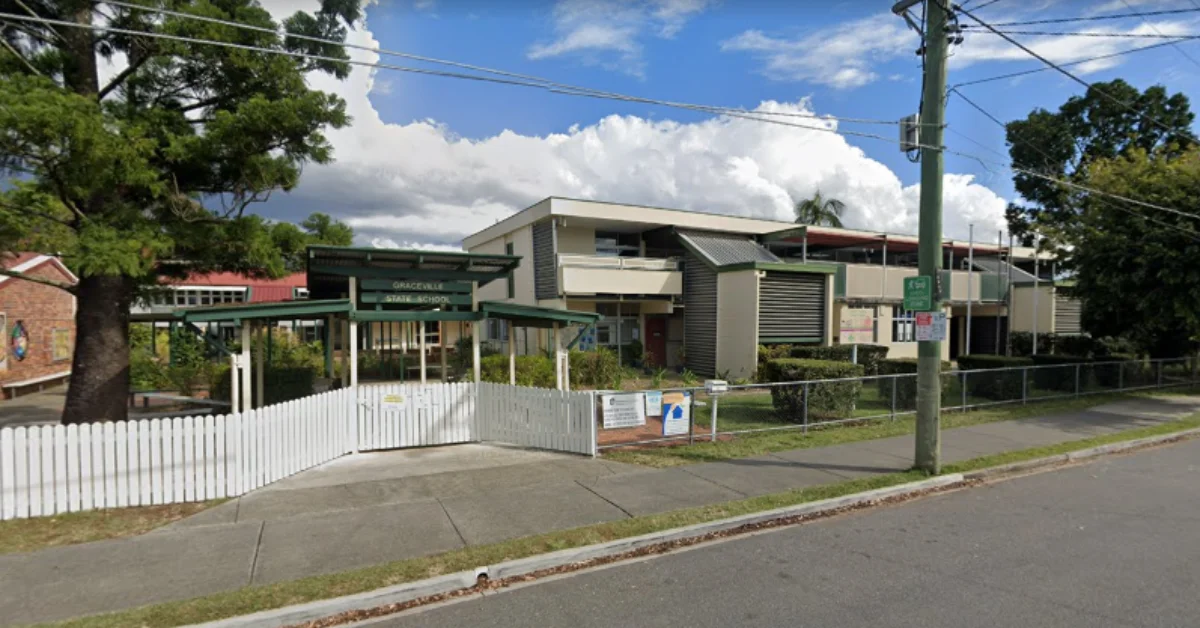
Photo credit: Google Maps/Regis Chelmer

It is the kind of coincidence that feels almost engineered. Two women, whose friendship was forged in a Graceville schoolyard, had each found their way to neighbouring Regis aged care homes, and neither had known it.

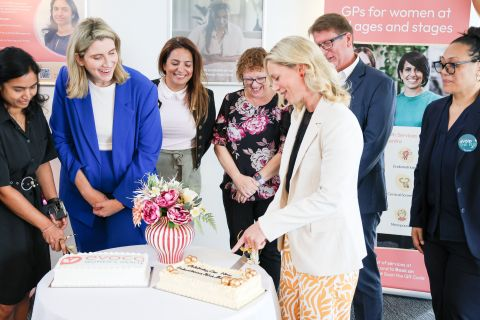
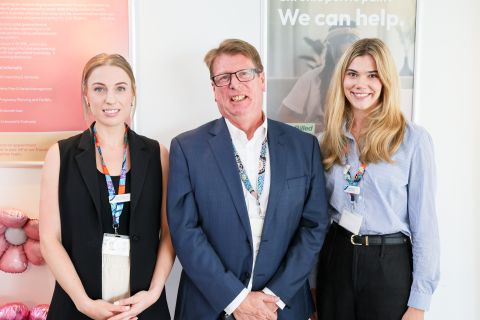
Once Ula flagged her discovery with staff at Regis Chelmer, the wheels were set in motion. Employees at Regis Chelmer arranged a reunion, and the two friends were brought back together for what, by all accounts, was an emotional morning.

For Elizabeth, the moment of seeing her friend again carried a weight that is hard to put into words.

“It was just wonderful, seeing my lovely friend Ula again,” she said. “When we said goodbye, I didn’t want to let her go.”

Ula felt it too, that rare and quietly astonishing sensation of a friendship simply resuming, as though the intervening years were little more than a long weekend.

“Our friendship has truly been a happy story,” she said. “It feels like no time has passed at all, we just picked up right where we left off.”

There is something particular about the friendships formed in the parenthood years, standing at school fences, sharing the quiet pride of watching your children find their footing in the world. Those bonds, built on the ordinary rhythms of school drop-offs and afternoon pickups, can run surprisingly deep. For Ula and Elizabeth, a friendship born in Graceville clearly did.

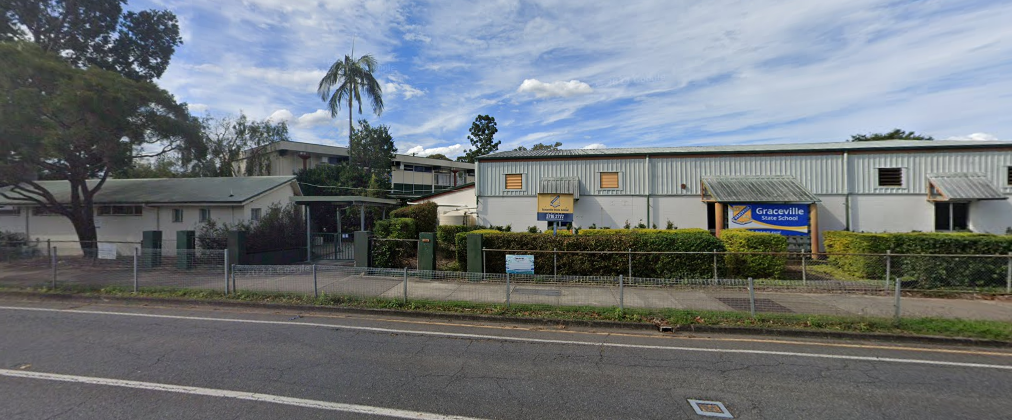
Photo credit: Google Street View

Regis, the proudly Australian-owned aged care provider that operates both Chelmer and Holland Park homes, has facilities across the country and has built its reputation on person-centred care, shaping services around the individual rather than the other way around. In this case, that ethos extended to recognising the importance of a resident’s social and emotional world, and acting on it.

The reunion, it turns out, is just the beginning. The geographical closeness of the two homes has opened the door to regular inter-home visits, and the next catch-up is already in the diary. Ula and Elizabeth are set to attend a high tea together on 19 May, a fitting occasion for two women whose friendship has endured the test of time.

For families with elderly loved ones, stories like this one carry a gentle but important reminder: meaningful connection does not have an expiry date. The simple act of reconnecting a resident with a lost friend, sparked here by nothing more than a newsletter photograph, can make an outsized difference to a person’s sense of belonging and joy.


Read: Graceville Volunteer Katie McCord Recognised as Youth Award Finalist


In Graceville and its surrounding suburbs, community ties can run long and deep. Perhaps it is not so surprising that a school friendship from years gone by found its way back to the surface. Some connections, it seems, simply wait.

Published 30-April-2026

Works to Begin on Graceville Riverside Parklands Transformation

A well-used stretch of riverside in Graceville is set for a major overhaul, with a multi-million-dollar upgrade to Graceville Riverside Parklands expected to reshape how locals use the space — from weekend picnics to community events and nature play.


Construction is scheduled to begin at the end of April 2026, with works expected to wrap up by late 2026, weather permitting, according to Sustainable Brisbane.

From local park to key gateway along Oxley Creek

The upgrade forms part of the long-term Oxley Creek Transformation, a major project led by Brisbane City Council and delivered by the Brisbane Sustainability Agency to improve access to green space and restore the creek corridor.

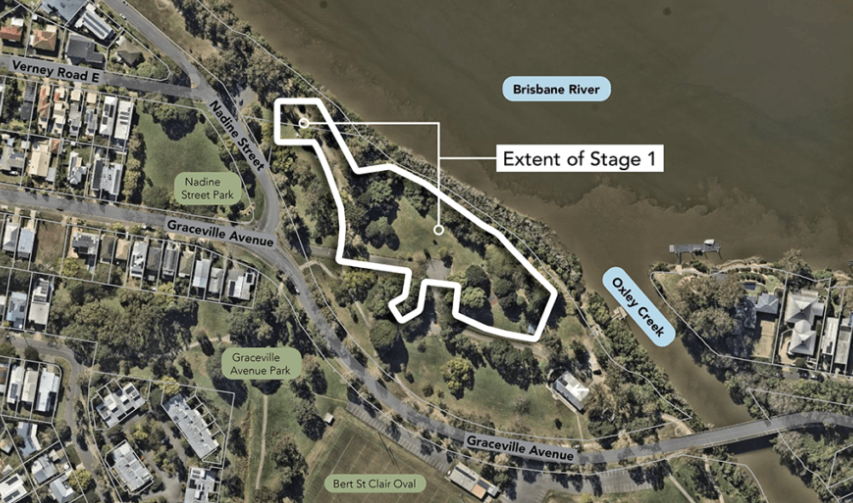
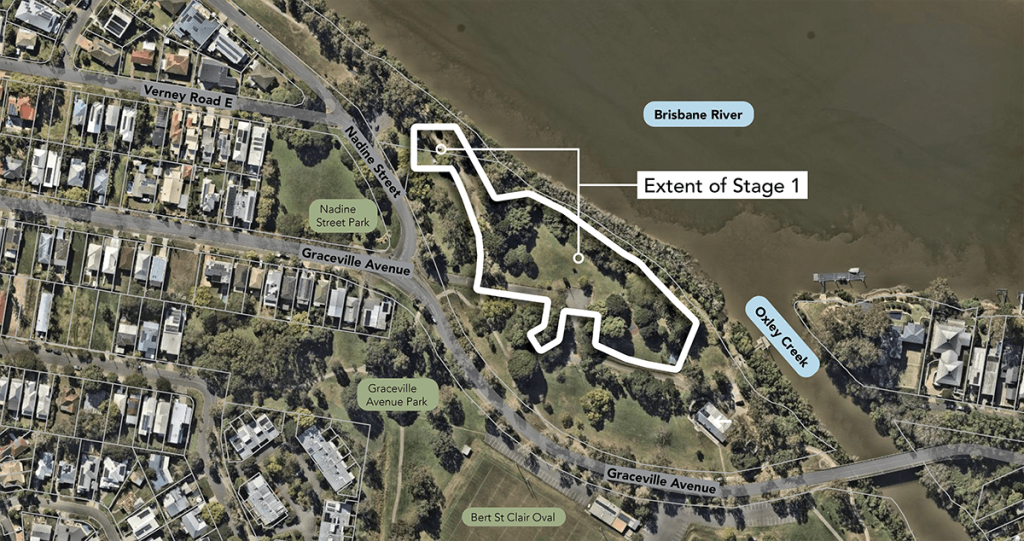
Planning documents show the Graceville site is intended to act as a key entry point where the Brisbane River meets Oxley Creek, linking locals and visitors to a wider network of trails and recreation areas. The concept has been in development for several years, following community consultation and planning work captured in the Graceville Riverside Parklands Precinct Plan.

This outlines a shift from a traditional neighbourhood park to a larger destination space designed to support a wider range of activities.

Photo Credti: Sustainable Brisbane

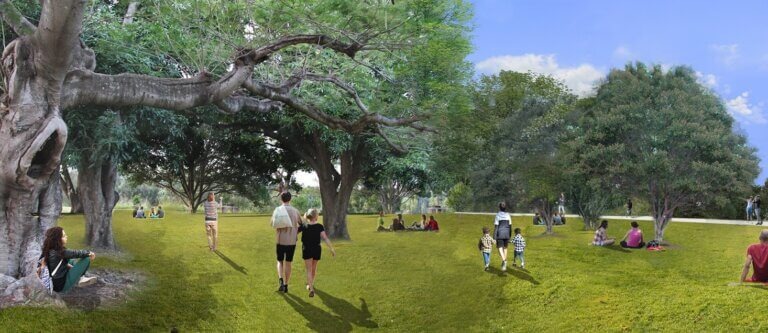
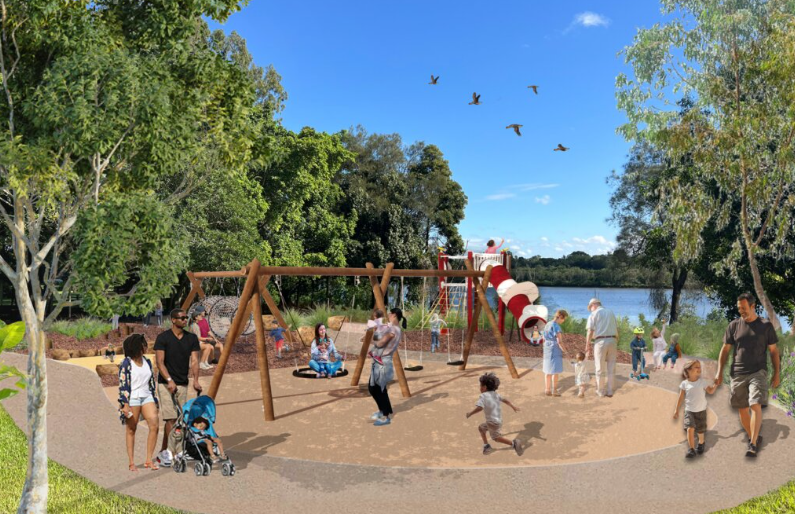
New play areas, gathering spaces and picnic facilities

Stage 1 works will focus on updating ageing infrastructure while adding new features designed for everyday use.

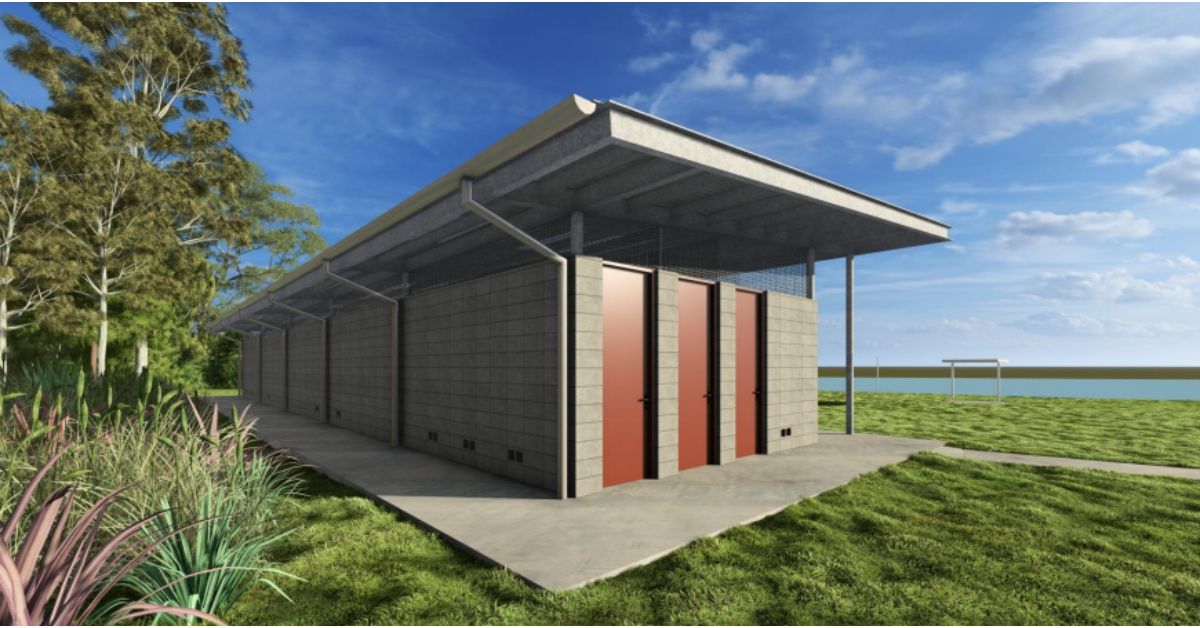
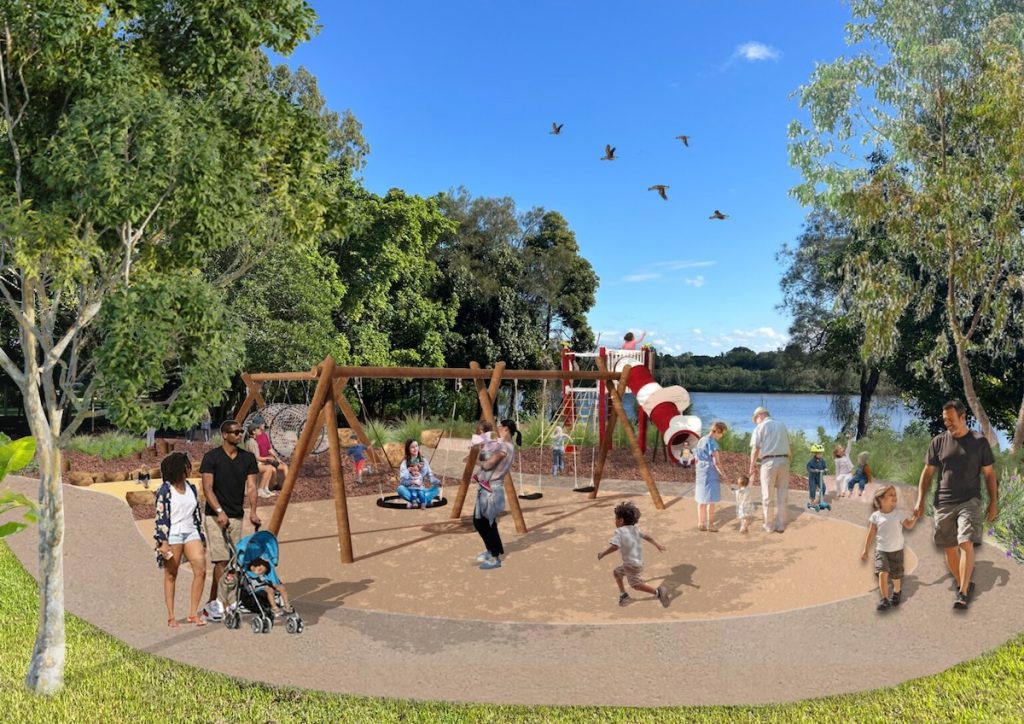
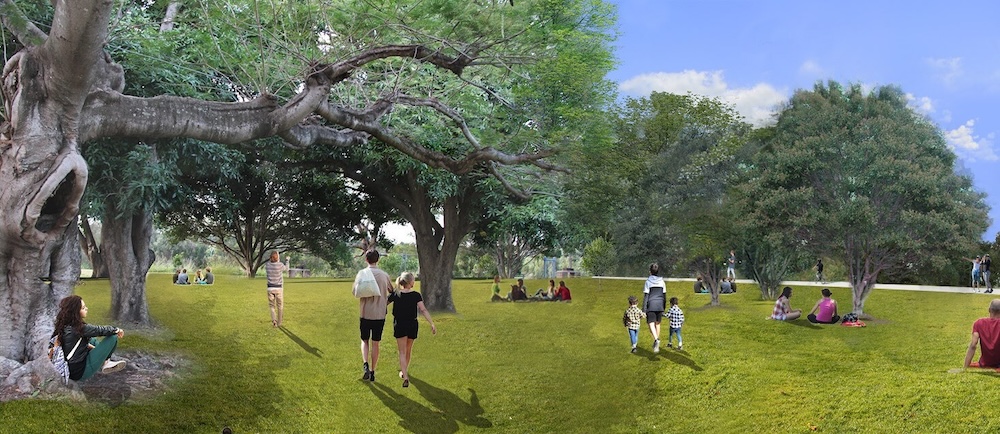
Plans include a nature-based play space built around the existing boat-themed playground, alongside a larger open lawn designed to host local events and informal recreation. Picnic areas will also be upgraded with new shelters, seating and electric barbecues.

The project will replace older equipment and structures, while adding new amenities such as bike racks, water bubblers and improved pathways to make the park easier to access.

Photo Credti: Sustainable Brisbane

Environmental work to strengthen river and creek habitat

Alongside recreation upgrades, the project includes environmental works aimed at improving the health of the riverbank.

This involves planting native vegetation and managing weeds to widen the riparian corridor along both the Brisbane River and Oxley Creek. These changes are intended to stabilise the banks and improve habitat for local wildlife while keeping views and access for park users.

The broader transformation project has been described as a long-term effort to restore the environmental condition of Oxley Creek and open up areas that were previously less accessible to the public.

Temporary closures expected during construction

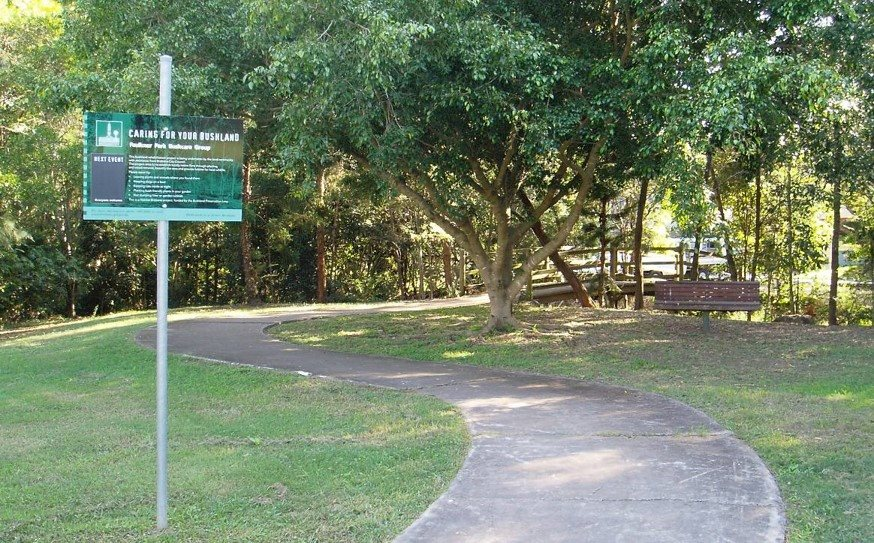
Parts of the park will be closed at different stages while construction is underway, affecting access to some paths, playground areas and picnic spots.

Project updates shared via Facebook note that nearby green spaces such as Sherwood Arboretum and Ken Fletcher Park can be used while work continues.

Brisbane Sustainability Agency has stated it will aim to limit disruption where possible and provide clear signage around work zones to maintain safe access.

Photo Credit: Sustainable Brisbane

Joint funding supports $3 million upgrade

The project is jointly funded, with support from the Australian Government through the Thriving Suburbs Program alongside investment from the Brisbane Sustainability Agency under the Oxley Creek Transformation.


Funding contributions include $1.47 million from the federal government, forming part of an overall project value of about $3 million.

Graceville Netball Leader Paula Sale Earns Top Queensland Honour

A long-time netball leader from Graceville has been recognised among Queensland’s most dedicated community volunteers, with Western Districts Netball Association official Paula Sale awarded Honorary Life Membership by Netball Queensland for her decades of work supporting grassroots sport at Faulkner Park.


The honour was announced at Netball Queensland’s annual general meeting, where Sale was recognised alongside Downey Park’s Diana Moore for their lasting contributions to the sport across Brisbane, as outlined in the official announcement.

From family involvement to long-term leadership at Faulkner Park

Ms Sale’s connection to netball began in 2002 when her daughters joined Western Districts Netball Association, based in Graceville. What started as helping at games soon grew into a long-term role across coaching, umpiring and administration.

Over the years, she took on leadership roles within the association, helping guide its direction while supporting players, coaches and volunteers. Her work has remained closely tied to Faulkner Park, where generations of local players have come through the ranks.

Helping rebuild after floods and keep sport running through change

Sale’s contribution has extended beyond competition seasons, particularly during times of disruption. She was involved in efforts to support the association through COVID-19, helping competitions return while managing changing health requirements.

When flooding affected facilities in Graceville, she played a role in recovery work, helping the association restore operations and secure funding for upgrades. Her involvement in grants and planning contributed to improvements that continue to benefit the local netball community.

These efforts were reflected in a community discussion on disaster recovery, which outlined how leadership at Western Districts helped the club respond and rebuild.

Supporting local players and strengthening community pathways

In her roles as community liaison officer and grant coordinator, as listed on the association’s committee page, Sale has helped connect players and families with opportunities in the sport.

Her work has included supporting participation programs and ensuring pathways remain available for players at different levels, from juniors starting out to those aiming for higher competition.

This behind-the-scenes work has helped maintain strong participation at Western Districts and kept netball accessible to families across Graceville and surrounding suburbs.

Recognition built on years of service to the local game

The Honorary Life Membership awarded by Netball Queensland recognises Sale’s long-standing involvement across multiple areas of the sport, including leadership, development and community support.

While the honour is given at a state level, much of Sale’s impact has been felt locally at Faulkner Park, where she has spent years helping the association grow and adapt.


Her recognition reflects the role of volunteers in sustaining community sport, with much of the work happening away from the spotlight but shaping the experience for players each week.

Published 29-April-2026

Sherwood’s Beloved Festival Is Back After a Year Away, and It Needs Your Hands to Make It Happen

The Sherwood Community Festival returns to the Arboretum on Saturday 16 May 2026, marking its 30th year, and the all-volunteer committee is calling on locals to give an hour or two of their time to help bring the 4075’s biggest free community day back to life.


After the 2025 festival was cancelled due to poor ground conditions at the Arboretum, the return this May carries extra significance for a community that has rallied around this event for three decades. The festival draws up to 10,000 visitors to Sherwood Arboretum each year and runs entirely on volunteer effort, from the committee that spends twelve months planning it down to the people who set up gazebos at dawn and pack the last chair away at the end of the day.

Without enough hands on deck, an event of this scale simply cannot happen, and with 16 May now just weeks away, the team is actively looking for day-of volunteers across a range of roles.

Find Your Role on the Day

There are five volunteer roles, each suited to different interests and energy levels.

The Production Team is the crew that transforms an empty arboretum into a festival. They arrive early, put up gazebos, set out chairs, hang signage and get the whole site ready before the gates open. If you like being active and want to see an event come together from the ground up, this one is for you.

The Info Tent is the community’s first point of contact during the day. Volunteers there hand out programs, help visitors find food stalls and stages, and keep people informed about what’s on next. It is a prime viewing spot, and it suits anyone who enjoys a conversation and wants to make visitors feel genuinely welcome.

Workshop Helpers work in the Arts Hub, setting out materials for painting and hands-on crafts, giving a hand to anyone who needs it, and keeping tables tidy between sessions. It is a relaxed role well suited to anyone who enjoys a creative atmosphere and wants to help local families get into making things together.

Stage Runners are the link between performers and the stage, making sure musicians and speakers get where they need to be on time. The Arbor Green and Fig Tree stages both host local bands, schools and performing arts groups across the day, and this role puts you right in the middle of that energy.

Stewards move around the full festival site, helping people find their way and making sure the grounds stay safe and tidy for the thousands of families, children and visitors coming through. It lets you experience the whole festival atmosphere while playing a genuinely useful role.

Thirty Years of Showing Up for Each Other

The Sherwood Community Festival traces its origins to 1995, when a small group of Sherwood Road traders organised a pavement event to bring people to the shopping strip as banks and businesses began to close. That first event had a handful of stalls and a straightforward purpose: keep the community connected to its local street.

Photo Credit: Sherwood Festival

Over the following three decades it grew into a full street festival with road closures, then shifted to its current home at Sherwood Arboretum where it has expanded to more than 100 stalls, four performance spaces, free rides and face painting, an Arts Hub, food trucks and a sausage sizzle, all free to attend.

The festival has always run off the same foundation: the generosity of people willing to give a bit of their Saturday to something bigger than themselves. The committee is made up entirely of volunteers, many of whom give a few hours a week across the year to handle everything from grant applications and sponsor relationships to site logistics and entertainment programming.

On the day itself, those roles multiply and the event lives or dies on how many extra pairs of hands show up.

How to Put Your Hand Up

Volunteer registration for the Sherwood Community Festival on Saturday 16 May 2026 is open now. You can sign up for as little as an hour or two, in whichever role suits you best. To register, click here and fill out the expression of interest form. The committee will be in touch to confirm details.

The Sherwood Arboretum is at 87 Jolimont Street, Sherwood. The train station sits at the end of the street, making it easy to get to without a car.


Published 24-April-2026

More Boots on the Ground for Queensland as Oxley Academy Milestone Met

A major surge in police presence is set to change the face of Queensland neighbourhoods following the graduation of dozens of new officers at the Oxley police academy.


This recent ceremony at Oxley marked the final step for 61 recruits who are now moving into active duty across the state. Their entry into the force signifies the completion of a massive recruitment push that has added more than 1,600 new staff to the frontline in less than a year and a half. 

These officers represent a diverse group of people, with ages ranging from 24 to 52. Many of them are starting second careers, bringing their previous life experience from jobs in teaching, the military, and prison security to their new roles in law enforcement.

Diverse Backgrounds Supporting Local Needs

oxley
Photo Credit: Queensland Police

The new officers come from many different walks of life and include people who have moved to Queensland from countries like Wales, Scotland, and England. Acting Commissioner Brett Pointing noted that this variety is a strength for the service because it reflects the different types of people living in the communities where these officers will work. 

By having a workforce with varied skills and cultural backgrounds, the police service aims to better understand and support residents in both busy coastal cities and smaller outback towns.

Boosting Resources Across the State

oxley
Photo Credit: Queensland Police

These additional resources are being spread out to ensure every corner of Queensland feels the benefit of the increased numbers. Large groups have been sent to the Far North and both the north and south sides of Brisbane to address local safety concerns. 

Regional areas like Townsville and the Gold Coast are also seeing significant increases in their local police numbers. Premier David Crisafulli stated that providing these extra boots on the ground is part of a wider goal to give the police service the tools they need to protect residents more effectively.


A Long-Term Plan for Community Security

The arrival of these 1625 recruits is intended to help ease the pressure on existing staff and improve response times for local families. Minister for Police Dan Purdie explained that these new officers are already starting work in areas where they are needed most. The government plans to continue this growth by combining the increase in staff with updated laws and better support programmes for young people. This multi-layered approach is designed to create a more stable and secure environment for all Queenslanders as the new graduates begin their careers.

Published Date 31-March-2026

How Chelmer Found Its Place in the Anzac Biscuit Story

Before it became a national tradition, the Anzac biscuit passed through ordinary kitchens, including one in Chelmer, where a simple recipe would find its way into print.

It started with a line most people would miss — a set of initials and a suburb tucked at the end of a recipe. But for Chelmer, that small detail opens a door into a much larger story, one that connects a local kitchen to a biscuit known across Australia.


The clue appears in a recipe printed in the Sunday Mail on 26 June 1927. The ingredients are familiar: oats, golden syrup, butter, flour and coconut. It reads like a version many Australians would still recognise today. Then comes the final line — “E. G. (Chelmer.)” — placing the suburb into the history of the Anzac biscuit.

Photo Credit: National Library of Australia

A Recipe That Traveled Through Time

At first, the clipping seems like just another contribution to a newspaper cooking column. In the early 20th century, these pages were filled with recipes sent in by readers, often identified only by initials and their suburb. For many families, it was a way to share what worked in their own kitchens.

But the Anzac biscuit was already changing. Records show that by 1917, recipes using the name “Anzac biscuit” were appearing in print, though they looked quite different.

Photo Credit: National Library of Australia

Some included eggs and were served with fillings. Over the next few years, the recipe shifted. It became simpler, more practical, and closer to the version Australians know today.

By the 1920s, something new had been added: coconut. Recipes from this period show the biscuit settling into its modern form, compounded by the submission from a Chelmer reader. 

More Than a Recipe

The Anzac biscuit is not just a popular bake; it also carries legal protection. The Department of Veterans’ Affairs administers laws that protect the word “Anzac”, and commercial sellers need permission to use it. That is why businesses cannot simply rename any sweet biscuit an Anzac and put it on the shelf, preventing marketing gimmicks. 

Those rules also shape what can be sold as an Anzac biscuit. The product should not be called a “cookie” and should not stray too far from the traditional recipe and shape. There is some room for limited change, including versions made for dietary needs, but the biscuit still has to remain recognisable as an Anzac biscuit rather than a novelty spin on the original. 

In 2008, Subway removed its Anzac biscuit from sale after problems with compliance, then brought it back in 2025 as a limited-time item made to the traditional recipe. The return was backed by RSL Australia, with part of the sales directed to support veterans and their families. 

Photo Credit: RSL Australia

A Story Without a Single Beginning

There is no single place where the Anzac biscuit began. Instead, it took shape across the country, through small contributions like this one. By 1924, printed recipes including coconut were appearing everywhere. Each version added something, adjusted something, or passed the idea along.

The Chelmer connection is notable for its simplicity. It has no famous chef, official invention record, or grand narrative—just initials, a modest suburb, and a recipe shared in a local newspaper. Yet, this is how many beloved traditions begin, taking shape in everyday life.


Published 6-April-2026

Concierge Childcare Centre Proposed Near Sherwood Train Line

A former aged care site in Sherwood could soon house a premium childcare centre offering concierge-style services, even as it sits metres from a busy train line and level crossing, raising questions about whether a “calm” environment can be achieved in one of the suburb’s most active pockets.


Plans for the proposed centre at 23 Thallon Street were lodged in March 2026, outlining a two-storey facility designed to cater for up to 73 children with 13 staff.

A different kind of childcare in Sherwood

The development application (A006981495) shows a childcare model that goes beyond standard care, aiming to support families with added services that ease daily routines. The operator already runs similar centres in Brisbane and is targeting inner-city areas where parents often juggle long work hours.

According to project details, the Sherwood centre would include a kitchen, laundry, sleeping areas and outdoor play spaces across two levels. The design leans on natural materials, soft tones and indoor-outdoor connections to create a more measured environment for children. 

Amenities include integrated sound systems throughout the centre and integrated scent machines that aim to create a calming environment that would prevent children from “…being overstimulated.”

Photo Credit: DA A006981495

The plans also confirm capacity for 73 children and 13 staff, along with 15 on-site car parks, including one accessible space. 

A high-end approach to early learning

Director Will Griffin indicated the centre is designed to go beyond standard childcare by offering a wide range of support services that make daily life easier for parents. He described a model where families can access help with everyday tasks such as grocery shopping, seasonal needs like gift wrapping, and occasional services like organised date nights.

Mr Griffin also pointed to practical add-ons like pram cleaning, as well as health-related services delivered on-site, such as dental care and immunisation.

He explained the focus is on busy inner-city families, particularly those working in demanding or irregular jobs like healthcare, law enforcement and shift-based roles. The centre is intended to respond to time pressures faced by these households by combining childcare with added convenience.

A calm design in a busy location

While the concept centres on reducing overstimulation, the site itself presents challenges. The block sits directly behind a train line and close to a level crossing, with Sherwood Road nearby carrying steady traffic.

Photo Credit: DA A006981495

The application acknowledges these conditions, with site analysis mapping surrounding noise corridors and wind patterns. To manage this, the plans include multiple layers of acoustic fencing and barriers around the property. 

Even with these measures, the location raises questions for nearby residents about how well the centre can deliver the calm setting it promotes, particularly during peak train and traffic periods.

Changing use, changing priorities

The site previously operated as an aged care respite centre, serving older residents before closing in recent years. Its shift to a high-end childcare facility marks a clear change in how the space will be used within the community.

Photo Credit: DA A006981495

The transition reflects evolving demand in growing suburbs, where childcare places are in short supply. However, it prompts a broader question about how community land is being repurposed and who benefits most from new developments.

The proposal comes at a time when the childcare sector is under increased scrutiny across Australia, with concerns raised in recent years about quality, affordability and oversight.

Thallon Street is a no-through road, but it connects directly to a busy main road and sits close to public transport. The plans include a new driveway and on-site parking to manage pick-up and drop-off traffic, though local impacts remain a key consideration.

With another kindergarten already located on the same street, the addition of a second childcare provider could further increase activity in the area.


The development is now subject to assessment, with community feedback likely to shape its next steps.

Published 31-March-2026

From Corinda to Gallipoli and Back: The Extraordinary Life of Edwin Maurice Little

There is a war memorial in Graceville Memorial Park that has stood since November 1920. The man who unveiled it had lost both eyes and his right hand at Gallipoli five years earlier. His name was Edwin Maurice Little, and he had made Corinda his home.

Maurice, as he preferred to be known, was born in Barcaldine in 1893, the son of a Methodist minister. He attended Brisbane Grammar School from 1907 to 1909, captaining the First XI cricket team, before becoming a schoolteacher with the Department of Public Instruction. He was posted to Gladstone, and it was there that he enlisted on 16 September 1914, aged 21.


Read: Graceville Memorial Park Restoration on Track before Anzac Day


He was drafted into the 15th Infantry Battalion as a sergeant at Enoggera on 1 October 1914. The battalion, under the command of Lieutenant Colonel William “Bull” Cannan, joined Brigadier General John Monash’s 4th Brigade and embarked on the troopship Ceramic on 22 December 1914, bound for Egypt. After a period of training at Mena Camp near Cairo, the 4th Brigade embarked for Gallipoli on 12 April 1915.

Starboard view of White Star Liner SS Ceramic at sea (Photo credit: No known copyright restrictions/Wikimedia Commons/Australian National Maritime Museum’s Samuel J. Hood Studio collection)

The 15th Battalion landed at approximately 4:00pm on 25 April and moved up a narrow gully to the edge of an escarpment, establishing a defensive line at what would become known as Quinn’s Post, named after a captain in the battalion. It was the furthest point reached by the Australians on the first day and remained so throughout the campaign. The battalion garrisoned Quinn’s Post for the duration, sustaining continual casualties from sniping and bombs. Maurice was commissioned as a 2nd Lieutenant on 14 May to make up for the loss of officers.

On 26 May, a Turkish mine was exploded beneath the Anzac trenches at Quinn’s Post, and the Turks captured part of the trench system. Maurice and one other man attempted to hold back an enemy advance along a trench. Newspaper accounts from 1916, likely based on his own testimony, describe how he had been throwing Turkish bombs back before they exploded, doing so successfully six times before the seventh detonated in his hand.

Reverend William Little (Photo credit: State Library of Queensland; Sidney Riley Studio)

On 29 May he was transferred to the hospital ship Gascon. At the Australian General Hospital at Heliopolis in Cairo, his right hand and wrist were amputated and both eyes were removed. He also sustained a severe wound to his left knee, which became infected.

His father, the Reverend William Little, received a telegram advising that Maurice was wounded “not seriously.” A casualty list published in the press listed him as killed in action. According to researcher Ian Lang, whose account is published by the State Library of Queensland, the Reverend Little made his distress at the inaccurate reports known to his colleague, the Reverend William Brown of Sherwood.

Coming Home to Corinda

Photo credit:  “The Queenslander” 11 December 1915, p.27, State Library of Queensland 

Maurice’s recovery at Heliopolis was aided by Lizzie Crowler, an English missionary who had spent twelve years working for the Church Home Mission in the Sudan and had come to Cairo on furlough, where she volunteered as a nurse. Maurice and Lizzie married in Cairo, with Maurice carried to the ceremony in a chair due to his knee injury. Lizzie was 22 years his senior.

The couple returned to Australia aboard the Kanowna in October 1915. A medical board in Brisbane discharged Maurice as medically unfit, noting the loss of both eyes, the amputation of his right hand, arthritis in his leg wound, hearing loss in his right ear and the loss of several teeth. He was granted a pension of 41 pounds a year, with Lizzie receiving 45 pounds a year as his primary carer.

Maurice mastered Braille while in Egypt with Lizzie’s assistance. The Bible Society donated all 29 volumes of the Braille Bible. He spoke at a public meeting in the Ipswich Town Hall, and stood unsuccessfully for State Parliament in the seat of Bremmer on a Nationalist ticket in 1918. He wrote regularly for publications including The Queenslander and authored an essay, Blindness Described From Within, published in the Maryborough Chronicle on 16 August 1920. In 1923, Queensland Book Depot published his Sonnets and Other Verses, with a preface by Mr. Bousfield, headmaster of Brisbane Grammar.


Read: Tennyson’s Barrett Adolescent School Officially Renamed Millenba, Meaning Place of Many Pathways


Maurice and Lizzie settled in Corinda. After the war, Maurice became the inaugural president of the Sherwood branch of the Returned Soldiers and Sailors Imperial League. On 29 November 1920, he unveiled the Sherwood Shire War Memorial at Graceville Memorial Park. His former battalion commander, Brigadier General Cannan, by then State president of the RSSAILA, was also present.

In 1925 the couple travelled to England, where Maurice studied economics at Oxford for three years. The couple later lived in Sydney for a time, where Maurice pursued a writing career. He died in Bromley, London, on 19 August 1938, aged 45.

Published 6-April-2026

Chelmer Family Lists Long-Held Property Amid Shifting Market Trends

A Chelmer family has listed its long-held home for auction, as the suburb continues to record rising sales activity despite signs of a broader Brisbane property slowdown.


A Family Move After Seven Years In Chelmer

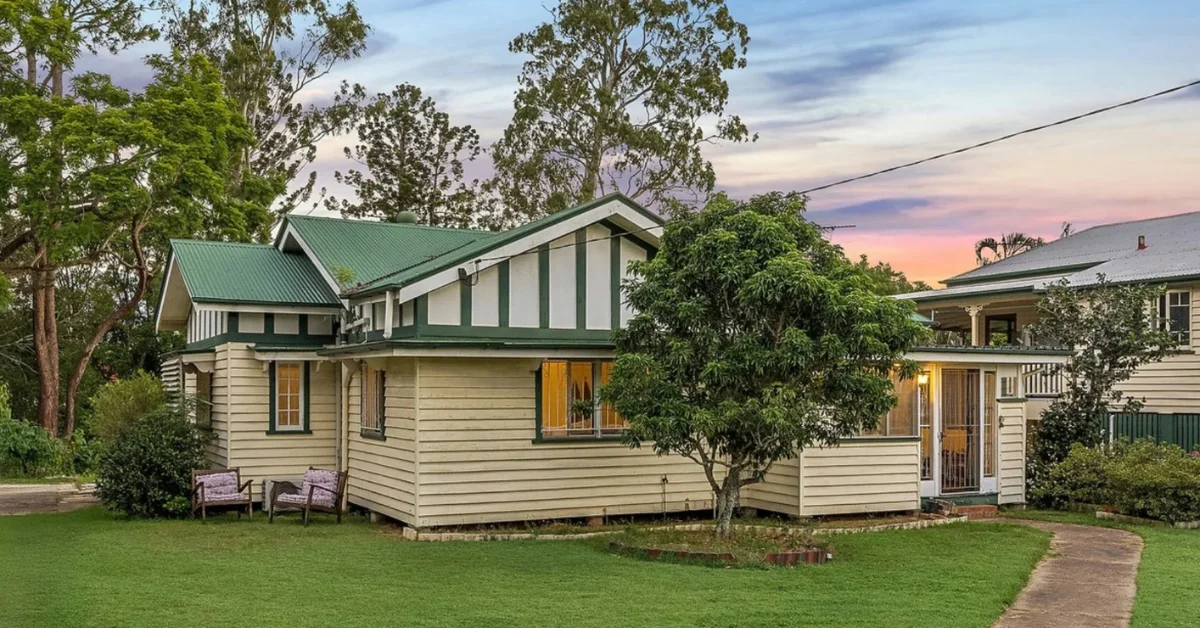
A family of five has placed its four-bedroom home at 7 Hurlton Street on the market after seven years, as changing circumstances prompt a move.

When the property was first purchased, the household was closely tied to local schools and community activity. With children now at or approaching university age, daily routines have shifted beyond the suburb.

Brisbane real estate
Photo Credit: Ray White Sherwood

Chelmer Stands Out In Uneven Market Conditions

The sale comes at a time when Brisbane’s property market is facing pressure from affordability constraints and rising interest rates.

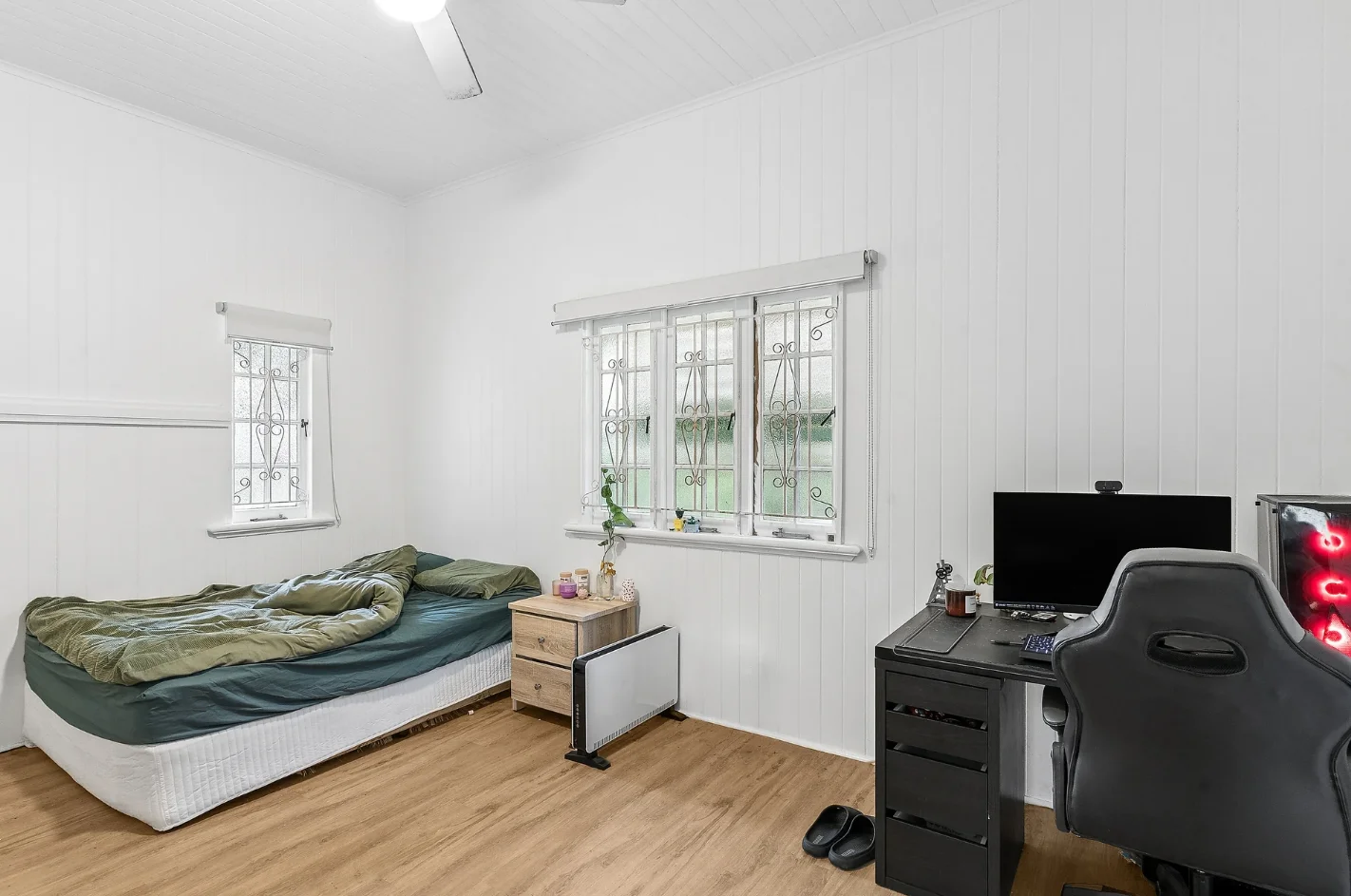
Chelmer property
Photo Credit: Ray White Sherwood

Despite this, Chelmer has been identified as one of the suburbs where sales activity is continuing to rise, setting it apart from broader market trends.

Recent auction activity across Brisbane has also shown that some properties continue to attract competition, even as overall results point to more cautious buyer behaviour.

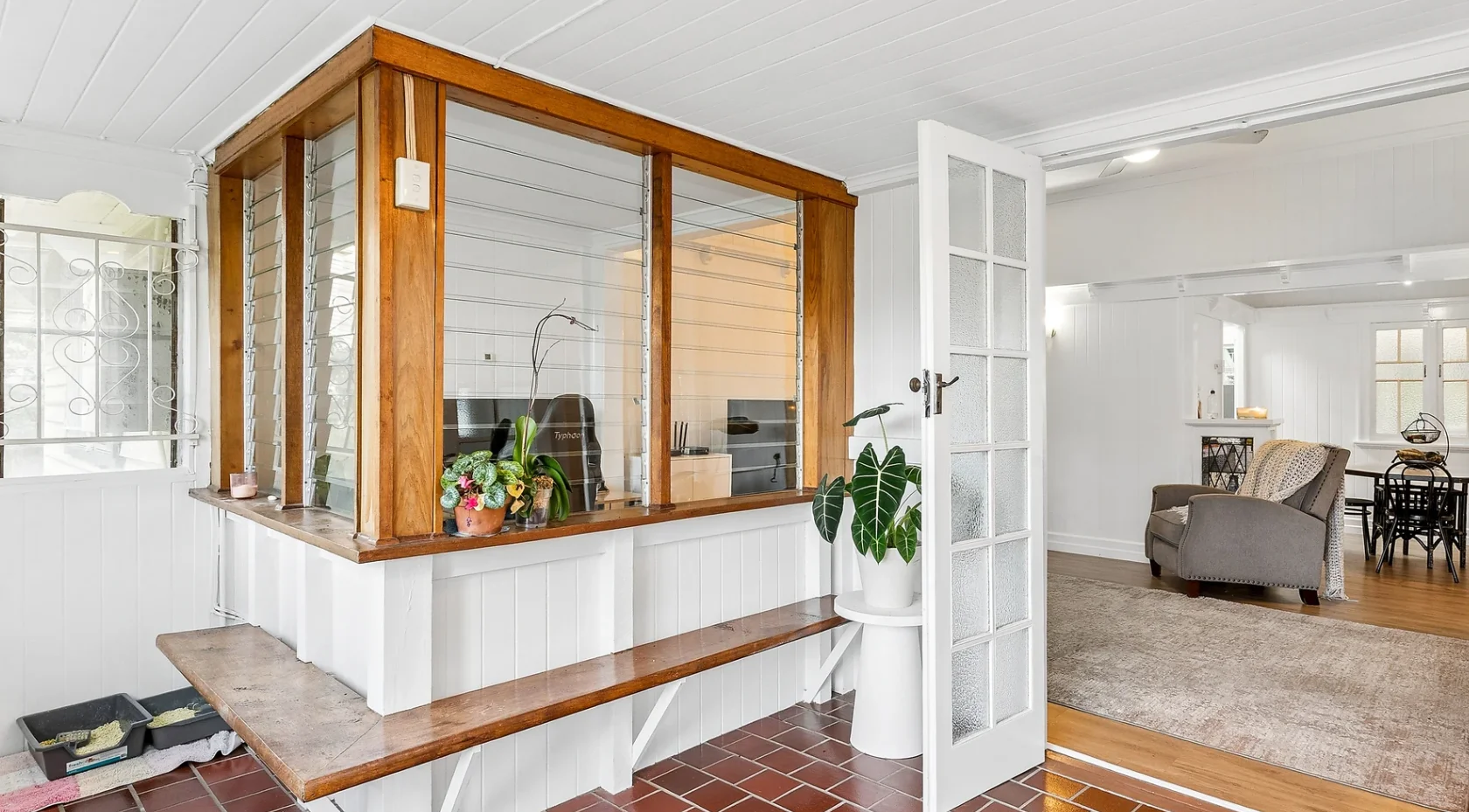
Chelmer auction
Photo Credit: Ray White Sherwood

Location And Layout Shape The Chelmer Offering

The property sits on a 607 square metre allotment within a leafy part of Chelmer, positioned about 100 metres from the local train station and close to nearby retail and services.

Designed across two levels, the home includes multiple living areas, a central kitchen and dining space, and a covered rear deck overlooking a landscaped backyard.

Additional features include a separate lower-level living zone, a master suite with ensuite and study, and a layout suited to both shared living and private retreat spaces.

Brisbane housing market
Photo Credit: Ray White Sherwood

Auction Timing To Reflect Current Conditions

The Chelmer property is scheduled for an online auction at 4:00 p.m. on April 1, following a scheduled inspection period.

Listed through Ray White Sherwood, the sale will take place as buyers and sellers continue to navigate changing market conditions across Brisbane.


While overall conditions remain mixed, Chelmer continues to record activity, with the upcoming auction providing a further indication of current demand in the area.

Published 30-Mar-2026

Oxley Golf Club at a Crossroads as Redevelopment Discussions Begin

For years, Oxley Golf Club has sat quietly along Boundary Road — a stretch of green holding its place as the surrounding corridor evolved around it.

Now, that position is being tested.

Discussions within the club have turned to significant changes tied to potential upgrades along Boundary Road, bringing the future of one of the area’s largest remaining green spaces into focus.


Land in the frame

At a Special General Meeting in February, members were told the club is considering options linked to possible road widening works, including whether part of its Boundary Road frontage may need to be sold.

Set along one of Oxley’s busiest corridors, the golf club has operated for decades as both a sporting venue and a large stretch of open green space.

That location has always come with a trade-off.

Positioned along a key transport route, the course sits at the intersection of recreation and infrastructure pressure — a balance that is now beginning to shift.

Information presented to members outlined a scenario where land on the northern side of the course could be sold if upgrades proceed. A logistics developer, LogiSpace, was identified in member materials as a prospective buyer, though no deal has been confirmed publicly.

The long-term plan

Beyond any potential land sale, the discussions point to a broader reshaping of the site.

Members were told the club is exploring a longer-term plan that could see the course redesigned across a smaller footprint, alongside a new clubhouse and upgraded facilities.

Any changes would be subject to planning approvals and staged over several years. Early indications suggest construction, if it proceeds, could temporarily affect access to parts of the course, though no confirmed timeline has been released.

Photo Credit: ODVGA Newsletter – March 2026

Still early, but moving

At this stage, no formal development application is listed in Brisbane City Council’s public planning system, indicating the proposal remains in its early phases, likely at the pre-lodgement or preliminary planning stage.

A familiar pressure

Oxley Golf Club is not alone in facing these questions.

Across metropolitan areas, large recreational sites — particularly golf courses — are increasingly being drawn into planning conversations as cities look for land to support infrastructure and growth.

The club has already explored ways to evolve its facilities in recent years, including upgrades aimed at broadening how the site is used, reflecting changing expectations around how these spaces are used.

For now, the course remains open and operating as usual, with no public notice indicating confirmed redevelopment or closure.

But with early discussions now underway, the focus will shift to what emerges next — and how the community is brought into decisions that could reshape one of Oxley’s most recognisable landscapes.


Published 26-March-2026