


New Road Markings Trial Aims To Cut Bridge Strikes In Corinda

Queensland Rail has begun a road-marking trial in Corinda aimed at reducing repeated rail bridge strikes caused by over-height vehicles at the Oxley Road crossing.


Trial Targets Rail Bridge Strikes In Corinda

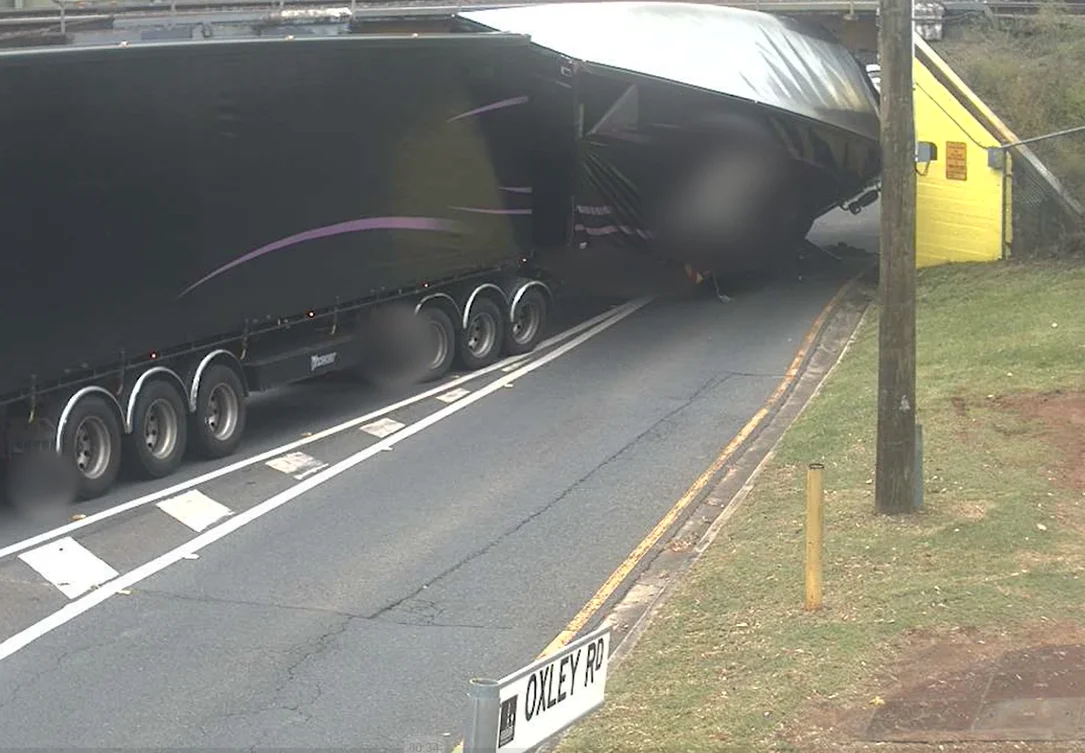
The trial forms part of ongoing efforts to address bridge and protection beam strikes across the South East Queensland rail network, which continue to pose safety risks and disrupt rail services. Between January and the end of November 2025, rail bridges and protection beams across the network were struck 348 times by over-height vehicles.
bridge strike
Photo Credit: Queensland Rail

Why Corinda Was Selected

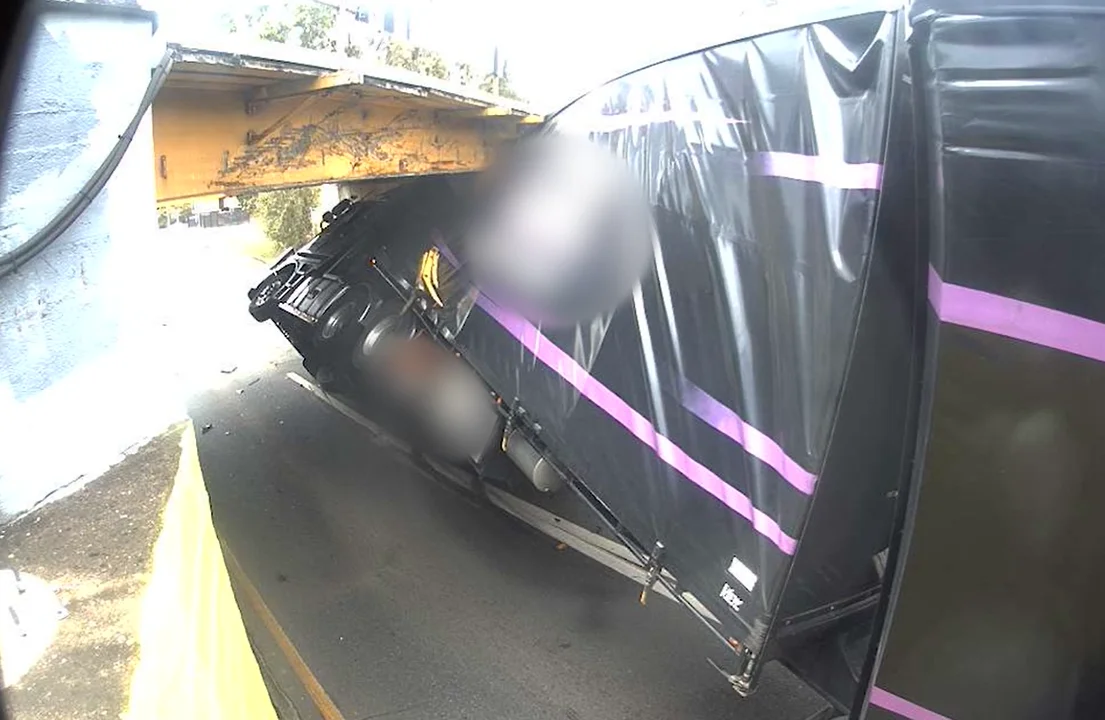
Oxley Road in Corinda is among the locations most frequently impacted by bridge strikes. Records show the bridge was struck 14 times between January and November 2025. This follows 10 strikes during the same period in 2024 and five in 2023, indicating a sustained pattern of incidents at the site.

Due to its history of repeated strikes, the Corinda bridge was selected as one of two trial locations, alongside a similar site at Pine Street in Wynnum.
Corinda bridge trial
Photo Credit: Queensland Rail

What The Trial Involves

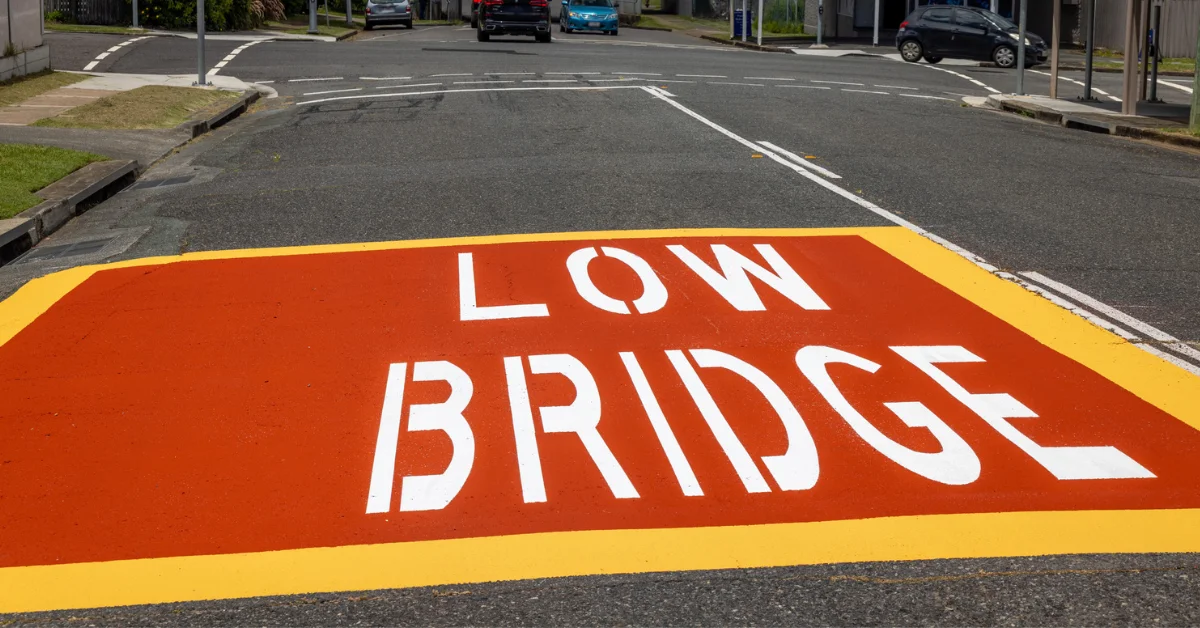
The trial introduces bright red and yellow painted boxes on the road surface leading up to the rail bridge in Corinda. The markings display “low bridge” warnings and are designed to prompt drivers to slow down and check their vehicle height before reaching the bridge.

The markings are intended to draw attention earlier than standard signage alone. They complement existing measures already in place at some rail bridges, including advance warning signs, height indicators, monitoring cameras and, in certain locations, protection beams.

Ongoing Safety And Disruption Concerns

Rail bridge and protection beam strikes have been linked to safety risks for drivers and other road users, as well as delays to rail services. In the previous year, bridge-related incidents resulted in more than 300 hours of delays for rail customers across the network.

Drivers who damage rail infrastructure face fines of $1,335 and four demerit points. If a matter proceeds to court, the maximum penalty cited for causing damage to rail infrastructure is $13,352. Queensland Rail also seeks to recover repair costs from those responsible.

What Happens Next

The Corinda trial is scheduled to run for up to two years. Monitoring will continue to assess whether the road markings lead to a reduction in bridge strikes. Outcomes from the trial will help determine whether similar treatments are introduced at other frequently hit rail bridges.


Any rail bridge strike should be reported immediately using the telephone number displayed on the bridge identification plate or by calling Emergency Network Control on 1800 079 303.

Published 28-Dec-2025

Sherwood Road Level Crossing: Long Downtimes Add to Brisbane West Traffic Congestion

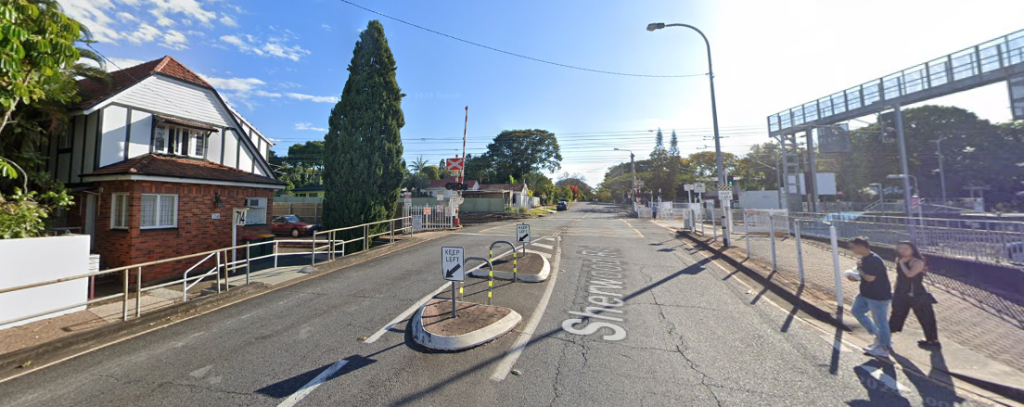
Commuters and local drivers in Sherwood are frequently facing long waits at the level crossing on Sherwood Road. Extended boom gate closures during weekday mornings are contributing to congestion on local roads, with queues sometimes stretching into nearby streets and affecting travel across the suburb.


Read: Push to Reopen Tennyson Rail Line Ahead of Brisbane 2032 Olympics


Recent Queensland Rail data shows Sherwood Road’s level crossing recorded an average closure of 1 hour and 44 minutes between 5 am and 10 am on weekdays, making it the second-longest downtime of the 50 crossings monitored in south-east Queensland. Across the network, 26 crossings were closed for more than an hour on average during the morning peak, up from 13 in 2022. This reflects a broader trend of increasing train frequency and longer dwell times on the rail network.

Photo credit: Google Street View

The long closures affect not just motorists but also local traffic patterns. Peak hour delays at the boom gates can cause queues along Sherwood Road and on feeder streets, while local buses may also experience hold-ups. Residents have noted the effect on daily routines, including the timing of commutes and access to services.

Queensland Rail attributes these longer closures to a combination of factors. More trains are now operating on the suburban network, including additional passenger services and freight, while station dwell times have increased due to growing patronage and accessibility support. These operational factors extend the duration the boom gates remain lowered.

Photo credit: Google Street View

Experts in transport and urban planning note that extended level crossing downtimes can worsen traffic congestion in surrounding areas. When gates remain down for a significant portion of peak periods, the delays affect not only motorists but also pedestrians, cyclists, and local public transport services.

Queensland has identified 13 level crossings across south-east Queensland for removal or upgrades to improve safety and reduce congestion. While it is not confirmed whether Sherwood Road is included in these short-term projects, the wider initiative aims to address the cumulative effects of frequent and prolonged boom gate closures on local communities.


Read: Residents Say Oxley & Inala Car Parks Among Brisbane’s Most Stressful


Until upgrades or removals occur, commuters using Sherwood Road are encouraged to allow extra travel time, plan alternate routes where possible, and factor in potential delays caused by peak hour train crossings. The intersection of local roads and rail infrastructure remains a persistent source of congestion in the western suburbs of Brisbane.

Published 24-October-2025

QR Customers from Darra, Chelmer to Benefit from Extra Train Services During Peak Times

Beginning 13 May 2019, customers of Queensland Rail coming from Darra Station, Chelmer stand to benefit from the extra train services that will be added to the Springfield line and six other train lines to carry more passengers during the busy hours.

The additional weekly train services was announced ahead of timetable improvements planned this 2019. These changes will be available in the TransLink Journey Planner beginning mid-April.

The extra 32 weekly services to the Redcliffe Peninsula, Cleveland, Springfield, Shorncliffe​, Ferny Grove​,Gold Coast, and Airport lines would add 14,000 seats during peak hours in the morning and afternoon.

​Monday to Friday additions

Line ​Departing station ​Departure time ​Arrival station​Arrival time
​Redcliffe Peninsula ​Kippa-Ring station7.10am ​Central station8.05am
​Cleveland​Cleveland station
6.39am ​Central station7.34am
​ClevelandCentral station5.09pm Cleveland station6.05pm

​Monday to Thursday additions to the services already running on a Friday

Line ​Departing station ​Departure time ​Arrival station​Arrival time
​Springfield​Springfield Central station6.51am ​Central station7.32am
Shorncliffe ​Shorncliffe station
7.39am ​Central station8.16am
Shorncliffe Central station6.58am Shorncliffe station7.35am

​Friday additions to the services already running Monday to Thursday

Line ​Departing station ​Departure time ​Arrival station​Arrival time
​Ferny Grove​Ferny Grove station7.25am ​Central station ​7.56am
​Gold Coast​Varsity Lakes station5.55am ​Central station ​7.14am
Airport Central station7.16am ​Domestic Airport station7.40am
Airport ​Domestic Airport station7.49am ​Central station8.13am
​ClevelandCentral station5.32pm Cleveland station6.35pm

The additional train services is Queensland Rail’s response to customer feedback, and was the result of analyzing patronage data, wait times, and operational efficiencies.