




A new Endometriosis and Pelvic Pain Clinic has opened in Oxley, giving women in south-west Brisbane access to specialist multidisciplinary care for endometriosis, pelvic pain, perimenopause and menopause within their own community for the first time.
The clinic, located within the Blunder Road Medical and Dental Centre in Oxley, is one of 11 new federally funded clinics that bring the national total to 33, with at least one now operating in every Primary Health Network region across Australia.
Each clinic is embedded within an existing general practice, keeping specialist care close to home and connected to the local health ecosystem that patients already know and trust.
For the women of Brisbane’s south-west who have spent years travelling for specialist appointments, or worse, going without, the opening marks a meaningful shift in what healthcare looks like in their suburb.
Years of pain, years of waiting
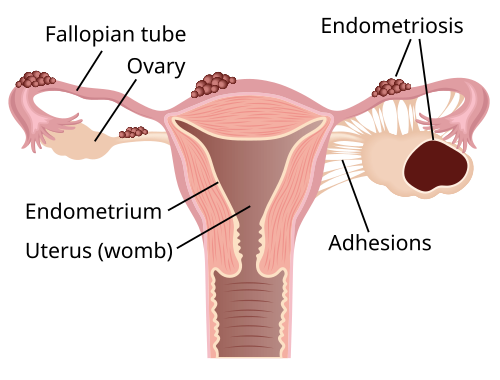
Endometriosis is a complex and debilitating chronic condition that can be hard to diagnose, with those affected waiting an average of seven to eight years before receiving a diagnosis. It affects at least one in seven girls, women and those assigned female at birth in Australia, and can cause severe pelvic pain, fatigue, fertility difficulties and a significant reduction in quality of life across decades.
Pelvic pain conditions more broadly are estimated to cost the Australian economy $6 billion annually, a figure that reflects not only direct healthcare costs but lost productivity, mental health impacts and the ripple effect of undertreated chronic pain on families and workplaces.
The long diagnosis delay is not incidental. It reflects a pattern of women’s pain being dismissed or minimised in clinical settings, symptoms being attributed to normal menstrual variation, and a lack of specialist services within reach of patients who need them.
The clinic model is designed specifically to interrupt that pattern by making expert, coordinated care available at the general practice level.
A multidisciplinary team under one roof
The Oxley clinic delivers care through a multidisciplinary model, drawing together GPs with advanced training in endometriosis and pelvic pain, allied health professionals and referral pathways to specialist gynaecology and other services as needed.

The clinics provide access to new care pathways and networks for women with endometriosis, pelvic pain, perimenopause or menopause symptoms, while also providing practice staff with advanced training qualifications and further study.
A patient does not need a confirmed endometriosis diagnosis to attend. Anyone experiencing pelvic pain or symptoms that may be associated with endometriosis can seek a referral from their GP, or in some cases self-refer directly. The care model is person-centred and aims to prioritise access, education and empowerment alongside clinical treatment.

The clinic is funded through Brisbane South PHN as part of the Australian Government’s Primary Health Network program, which channels federal health investment through regional networks to fill gaps in community access to specialist services.
Queensland’s growing network of specialist care
Queensland now has eight endometriosis and pelvic pain clinics in both metropolitan and regional locations, as part of the national expansion.
From July 2026, existing clinics will also begin providing menopause-related care and supports based on local community needs, expanding the scope of what these services can offer to women across the full spectrum of reproductive health.

For Brisbane north, Neighbourhood Medical in Bardon has been running the region’s first endometriosis and pelvic pain clinic through the Brisbane North PHN, backed by a strong allied health network of pelvic physiotherapists and psychologists.
The new Oxley clinic mirrors this successful model for the south side, plugging a geographic gap that has long left women in Brisbane’s south-west short on local options.
Queensland-based peer support and advocacy organisation Qendo, which operates the Qendo app for tracking and managing endometriosis symptoms, provides additional community support for those newly diagnosed or still navigating the healthcare system.
To access the Oxley clinic, speak with your GP about a referral or contact Blunder Road Medical and Dental Centre directly. For the full national list of endometriosis and pelvic pain clinics, click here.
Published 7-May-2026