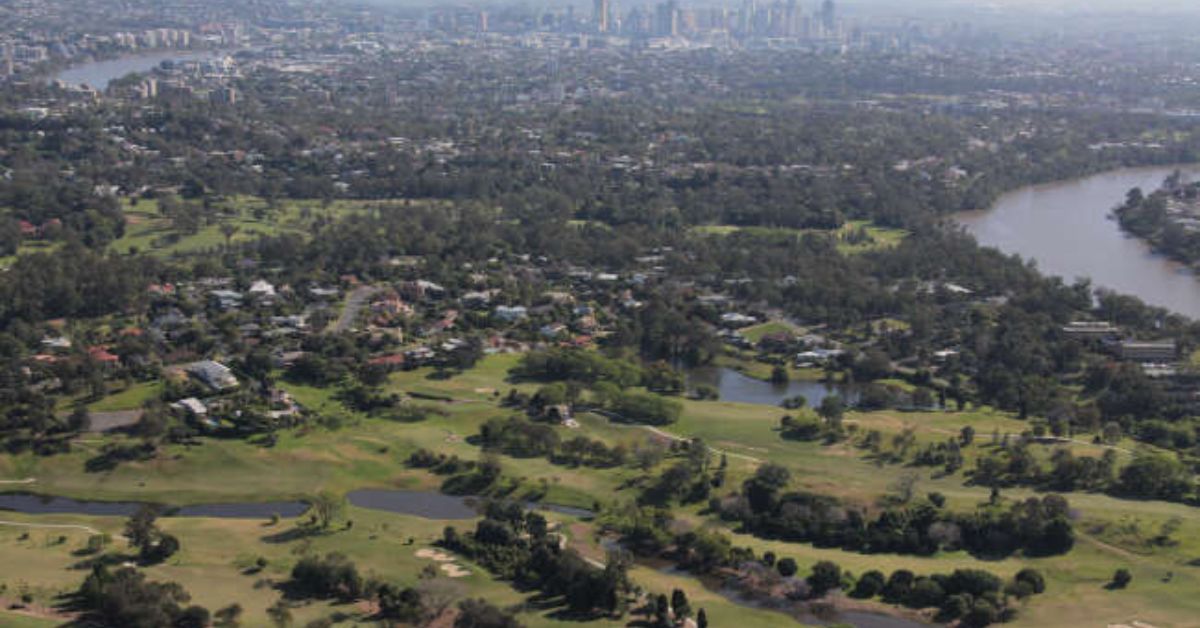



Oxley has recorded more sewage network releases than any other Brisbane suburb, putting local wastewater infrastructure under renewed scrutiny as new water-quality results reveal elevated bacteria levels in Oxley Creek.
The suburb recorded 216 releases between 1 July 2024 and 30 June 2025, according to an investigation by community group Stop Raw Sewage Into SEQ Waterways.
The investigation identified 6,524 releases across 164 Brisbane suburbs. Oxley topped the list, ahead of Wavell Heights with 209 events, Aspley with 174, Banyo with 154 and Boondall with 153.
Of the Brisbane-wide releases, 2,564 occurred during dry weather and 3,960 during wet weather. The published rankings show how frequently sewage escaped the network but do not identify individual Oxley streets, properties affected or the amount discharged within the suburb.
Equipment failures led to environmental enforcement action
The wider Oxley Creek wastewater system has also faced regulatory scrutiny following a series of equipment failures at the Oxley Creek Resource Recovery Centre.
An Environmental Enforcement Order issued by Queensland’s environment department in April 2025 documented approximately 95 sewage overflows across 12 locations between November and December 2024.
The regulator estimated that 29.66 million litres of sewage were released into the receiving environment during those incidents, some of which lasted more than 24 hours.
The failures occurred within the sewer catchment served by the Oxley Creek Resource Recovery Centre and its SP196 pumping station at Donaldson Road, Rocklea. The incidents covered the wider wastewater system rather than the suburb of Oxley alone.
Urban Utilities’ investigation identified a broken pump shaft, electrical faults, damaged screening equipment and machinery failures. The environmental department also found that delays in obtaining spare parts had prolonged the disruption.
The regulator concluded that Urban Utilities had failed to take sufficient measures to prevent or minimise environmental harm, contrary to its environmental obligations.
Its order required the operator to improve equipment maintenance and spare-parts arrangements, investigate pumping upgrades and review how communities are notified about sewage releases.
Queensland’s environmental public register now lists the April 2025 order as finalised. The original order required pumping-station improvement works to begin by November 2025, although a separate completion date for the physical upgrades has not been confirmed in the published documents reviewed.
October testing finds elevated bacteria in Oxley Creek
Brisbane City Council’s latest identified recreational water-quality results recorded 2,200 enterococci per 100 millilitres at its Oxley Creek sampling site near Cliveden Avenue on 26 October 2026.
The reading was substantially higher than the 40 recorded at the same location in September. It also exceeded the 1,000-per-100-millilitre secondary-recreation warning trigger referenced in the earlier environmental enforcement order.
Enterococci are bacteria used to indicate possible faecal contamination. High concentrations can increase health risks for people coming into contact with contaminated water.
Council says bacteria can enter waterways through several sources, including stormwater runoff, animal waste, leaking sewer pipes and wastewater overflows. The October result identifies contamination at the sampling location but does not establish its cause.
Council advises people to avoid contact with waterways during heavy rainfall and for up to three days afterwards, when pollution washed into creeks and rivers can increase health risks.
Heavy rainfall put Brisbane’s wastewater network under pressure
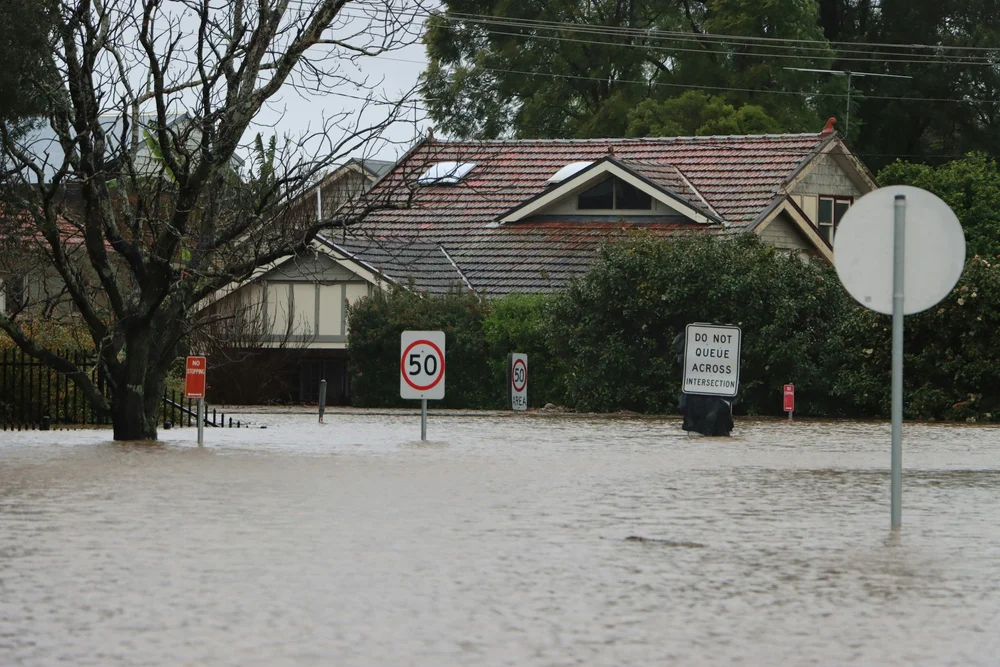
Urban Utilities has attributed many of Brisbane’s wet-weather sewage releases during 2024–25 to significant rainfall, including Tropical Cyclone Alfred, which sent additional stormwater into sewer pipes.
The operator explains that stormwater can enter the wastewater network through damaged pipes, maintenance holes and incorrectly connected private plumbing.
During intense rainfall, excess flows can overwhelm sewer capacity. Urban Utilities says controlled overflow points help prevent wastewater backing up into homes and businesses, while dry-weather releases can result from pipe failures, blockages and equipment faults.
Infrastructure and planning executive Chris Bulloch told the November investigation that crews respond to failures across approximately 20,000 kilometres of wastewater pipes.
Across Brisbane, more than 1.15 billion litres of untreated sewage was recorded from 354 releases. The remaining 6,170 incidents had no reported volume, leaving the full quantity discharged unknown.
An earlier investigation published in August reported more than 10.5 billion litres entering Brisbane waterways during the same financial year. That investigation focused on waterway discharges, while the November report examined the frequency of network releases across individual suburbs.
Sewer upgrades and monitoring remain in focus
Urban Utilities has outlined a $6.7 billion infrastructure investment program over the next decade to improve the capacity and reliability of its water and wastewater systems. Its 2024–25 annual report identifies the Oxley catchment among areas covered by plans to reduce stormwater entering the wastewater network.
The environmental enforcement order also required Urban Utilities to review public notification practices used by sewerage providers in other Australian capital cities and report its findings to Queensland’s environment department by April 2026. While the regulator has finalised the order, the latest publicly identified material does not separately confirm when all pumping-station improvements were completed.
Published 10-Nov-2026