



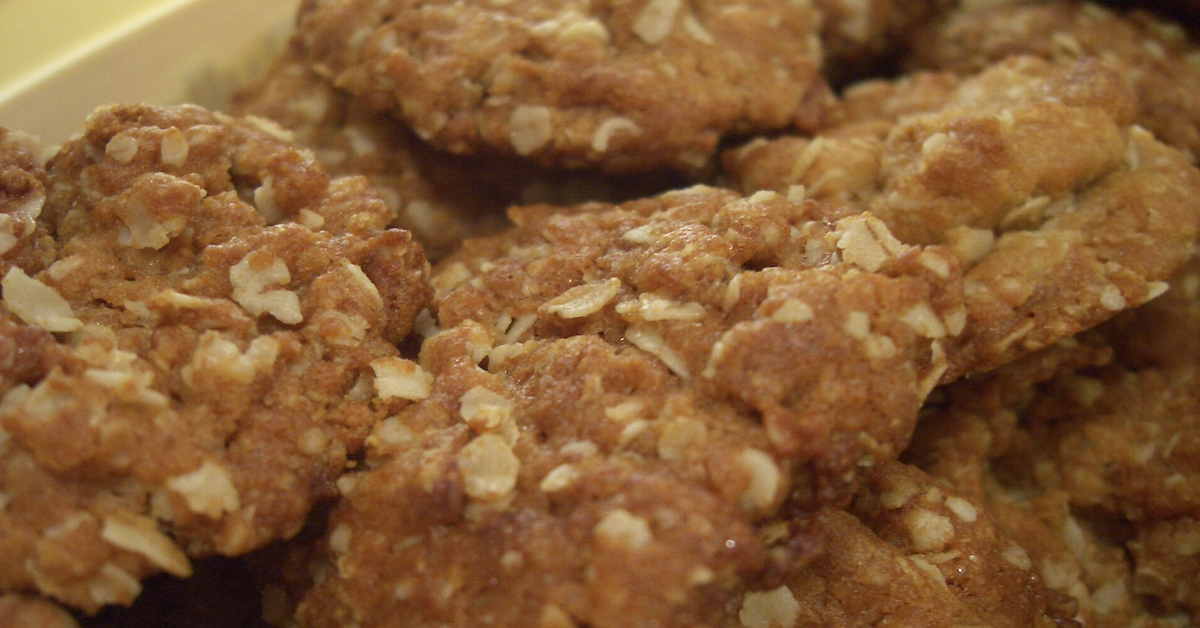
Before it became a national tradition, the Anzac biscuit passed through ordinary kitchens, including one in Chelmer, where a simple recipe would find its way into print.

It started with a line most people would miss — a set of initials and a suburb tucked at the end of a recipe. But for Chelmer, that small detail opens a door into a much larger story, one that connects a local kitchen to a biscuit known across Australia.

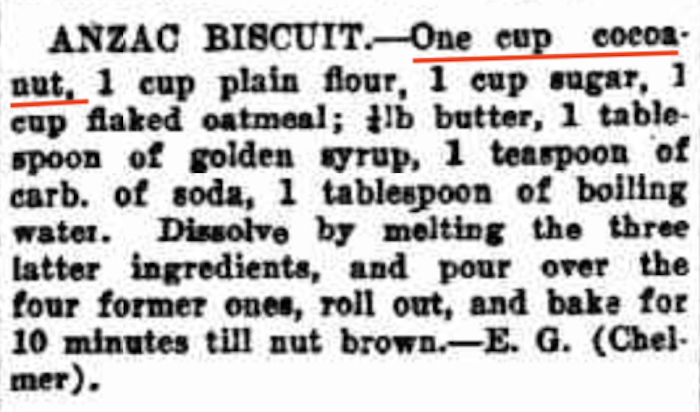
The clue appears in a recipe printed in the Sunday Mail on 26 June 1927. The ingredients are familiar: oats, golden syrup, butter, flour and coconut. It reads like a version many Australians would still recognise today. Then comes the final line — “E. G. (Chelmer.)” — placing the suburb into the history of the Anzac biscuit.
A Recipe That Traveled Through Time
At first, the clipping seems like just another contribution to a newspaper cooking column. In the early 20th century, these pages were filled with recipes sent in by readers, often identified only by initials and their suburb. For many families, it was a way to share what worked in their own kitchens.

But the Anzac biscuit was already changing. Records show that by 1917, recipes using the name “Anzac biscuit” were appearing in print, though they looked quite different.

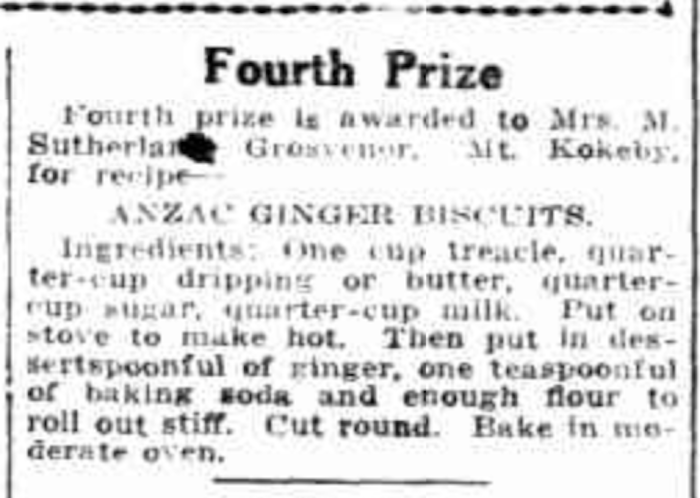
Some included eggs and were served with fillings. Over the next few years, the recipe shifted. It became simpler, more practical, and closer to the version Australians know today.
By the 1920s, something new had been added: coconut. Recipes from this period show the biscuit settling into its modern form, compounded by the submission from a Chelmer reader.
More Than a Recipe
The Anzac biscuit is not just a popular bake; it also carries legal protection. The Department of Veterans’ Affairs administers laws that protect the word “Anzac”, and commercial sellers need permission to use it. That is why businesses cannot simply rename any sweet biscuit an Anzac and put it on the shelf, preventing marketing gimmicks.



Those rules also shape what can be sold as an Anzac biscuit. The product should not be called a “cookie” and should not stray too far from the traditional recipe and shape. There is some room for limited change, including versions made for dietary needs, but the biscuit still has to remain recognisable as an Anzac biscuit rather than a novelty spin on the original.
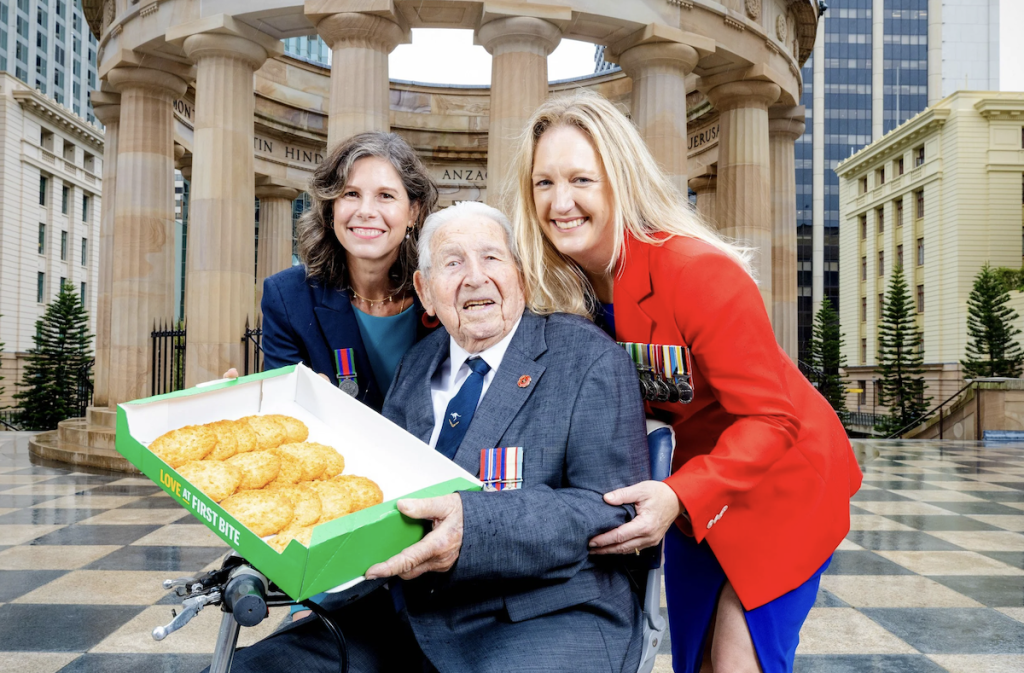
In 2008, Subway removed its Anzac biscuit from sale after problems with compliance, then brought it back in 2025 as a limited-time item made to the traditional recipe. The return was backed by RSL Australia, with part of the sales directed to support veterans and their families.
A Story Without a Single Beginning
There is no single place where the Anzac biscuit began. Instead, it took shape across the country, through small contributions like this one. By 1924, printed recipes including coconut were appearing everywhere. Each version added something, adjusted something, or passed the idea along.
The Chelmer connection is notable for its simplicity. It has no famous chef, official invention record, or grand narrative—just initials, a modest suburb, and a recipe shared in a local newspaper. Yet, this is how many beloved traditions begin, taking shape in everyday life.
Published 6-April-2026